Aviation
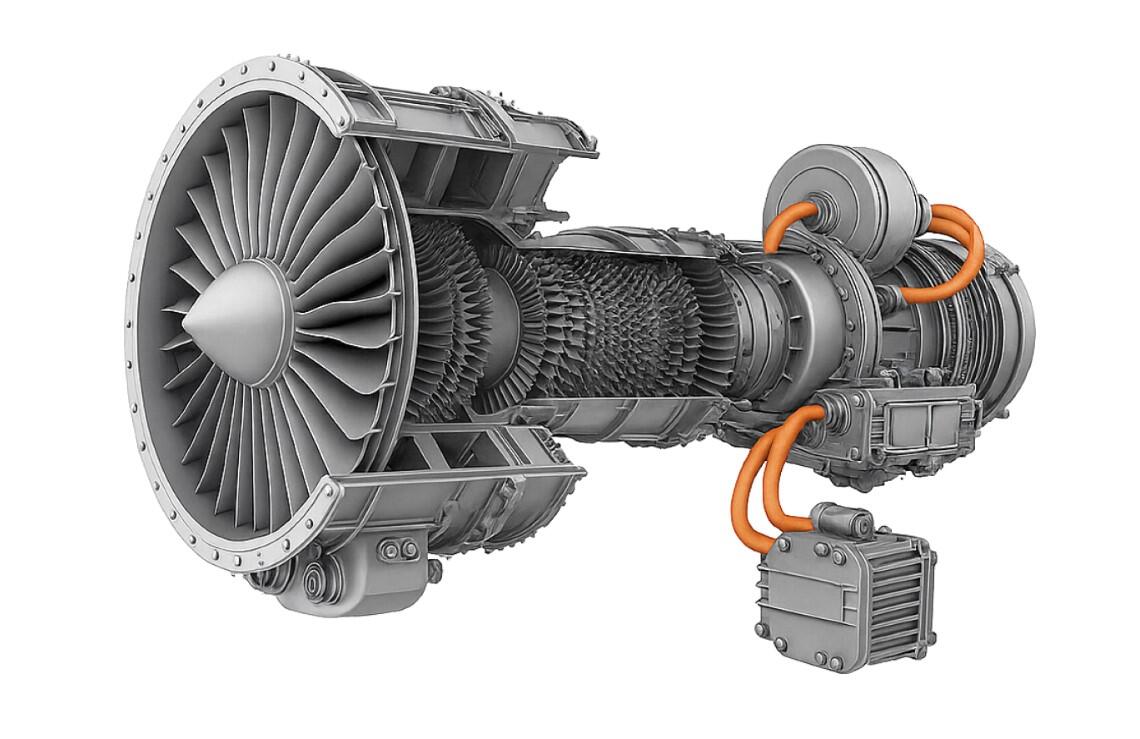
Taking flight around the world, Omniseal Solutions has been privileged to serve the main aircraft and engine programs for civil and general aviation industries. Our partners have benefited from our global production footprint, with a reliable supply chain and excellence in quality. Our co-development model relies on direct communication between engineer to engineer, supported by proprietary simulation and real environment testing. We have demonstrated to our customers a reduction of cost of development and aerosystem improvement in sealing, lightweight, friction, and wear resistance from aggressive temperature, chemicals, load, and speed.
Applications
- Engine
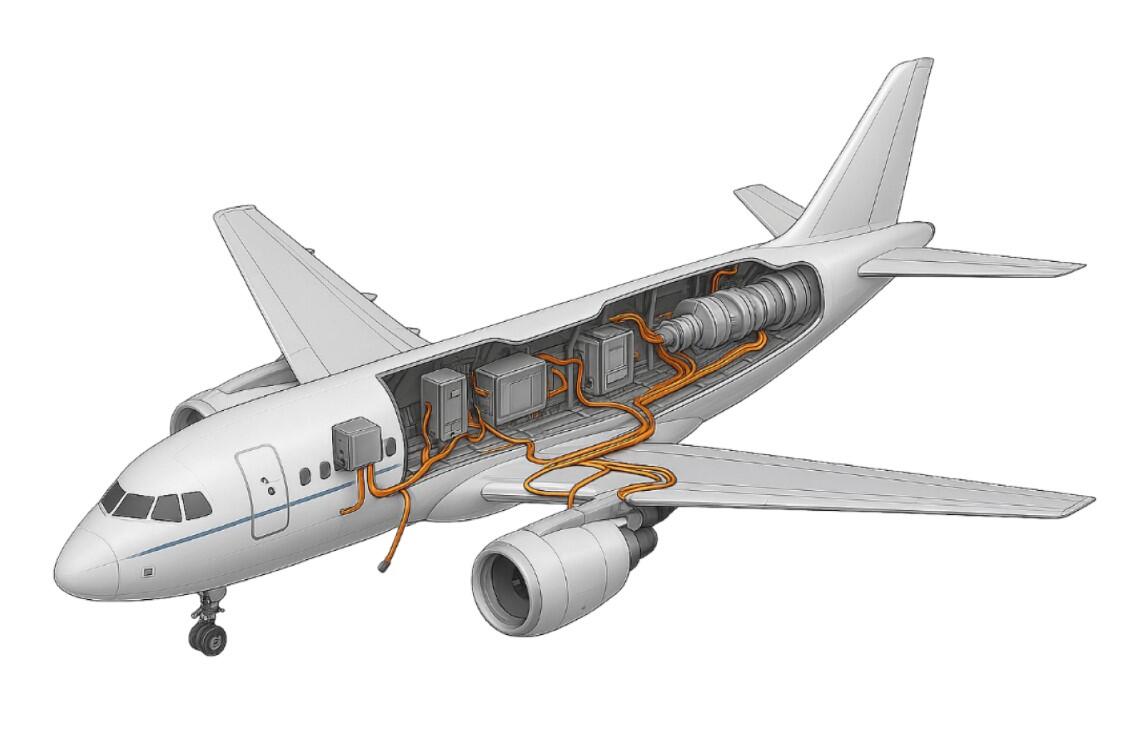
- Electrical Equipment
- Actuators & Fluid Equipment
- Helicopter
- Hybrid Electric
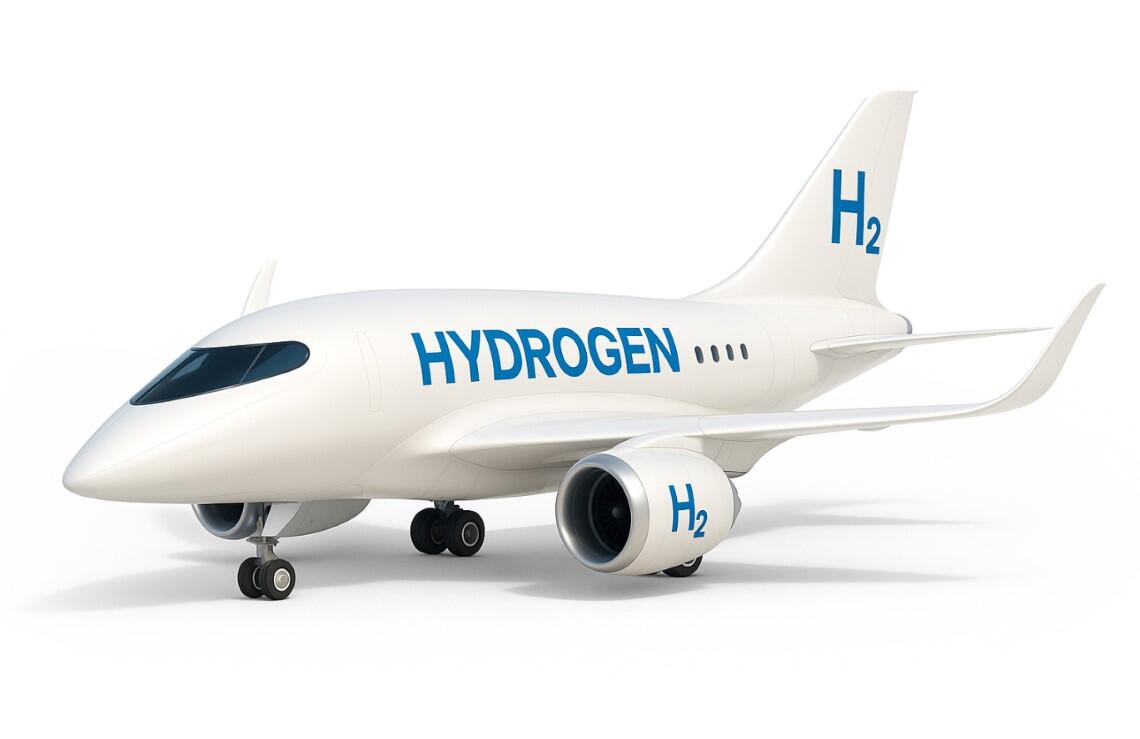
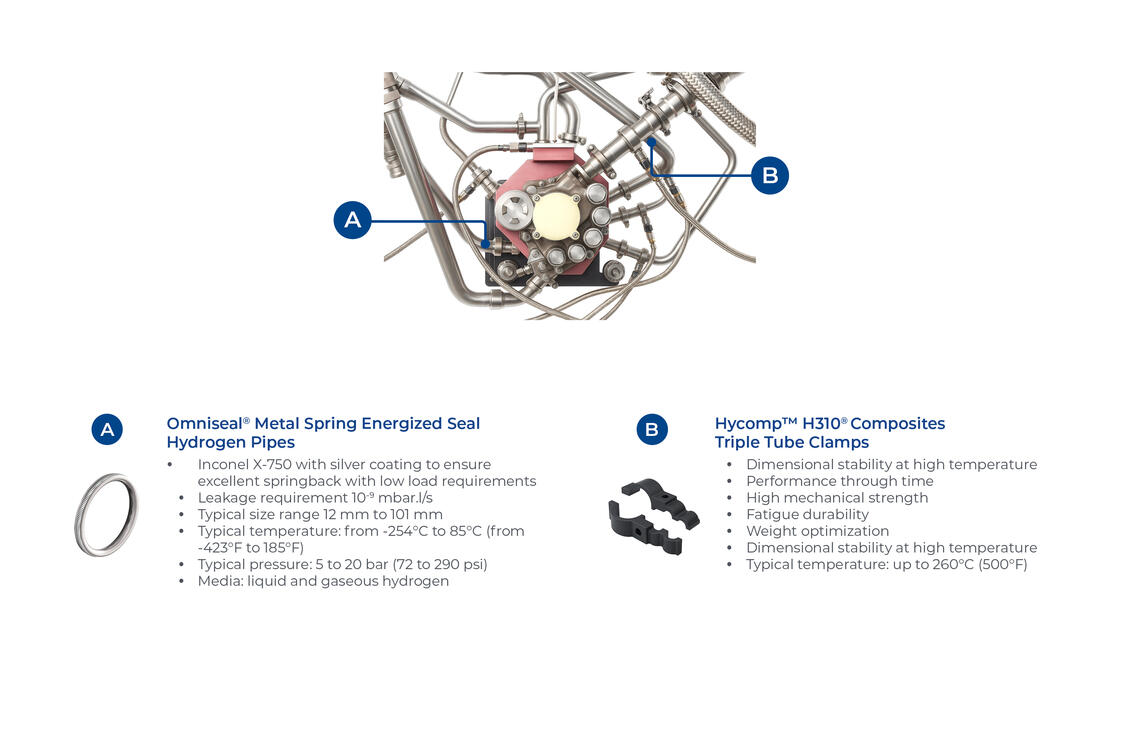
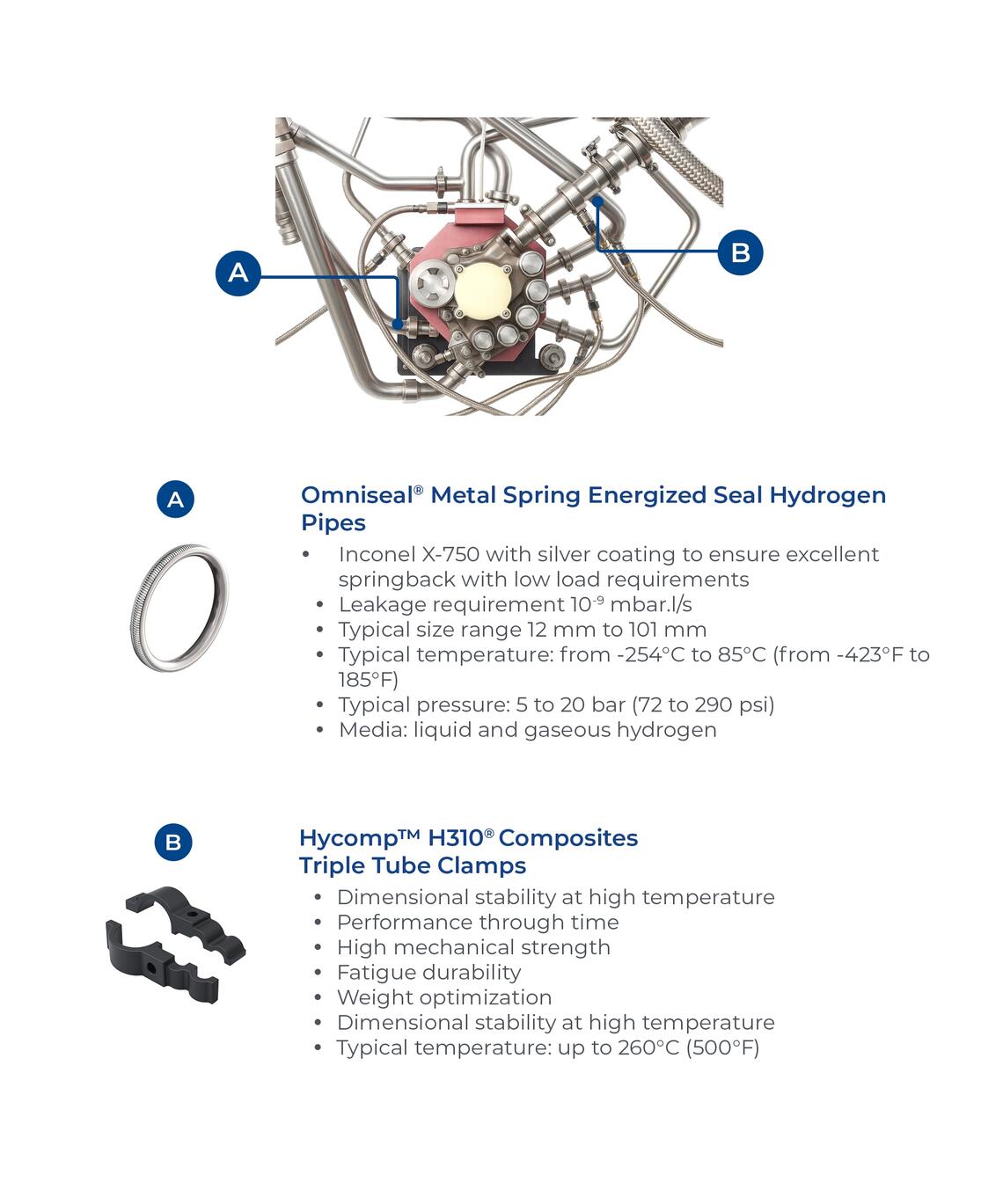
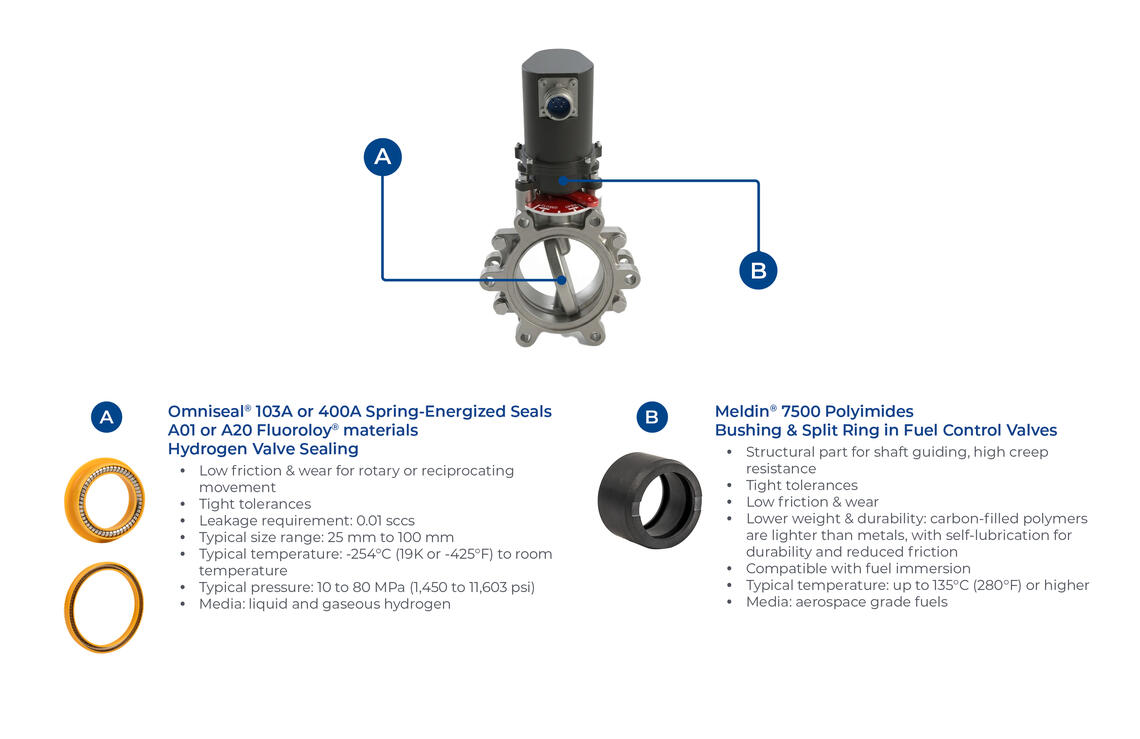
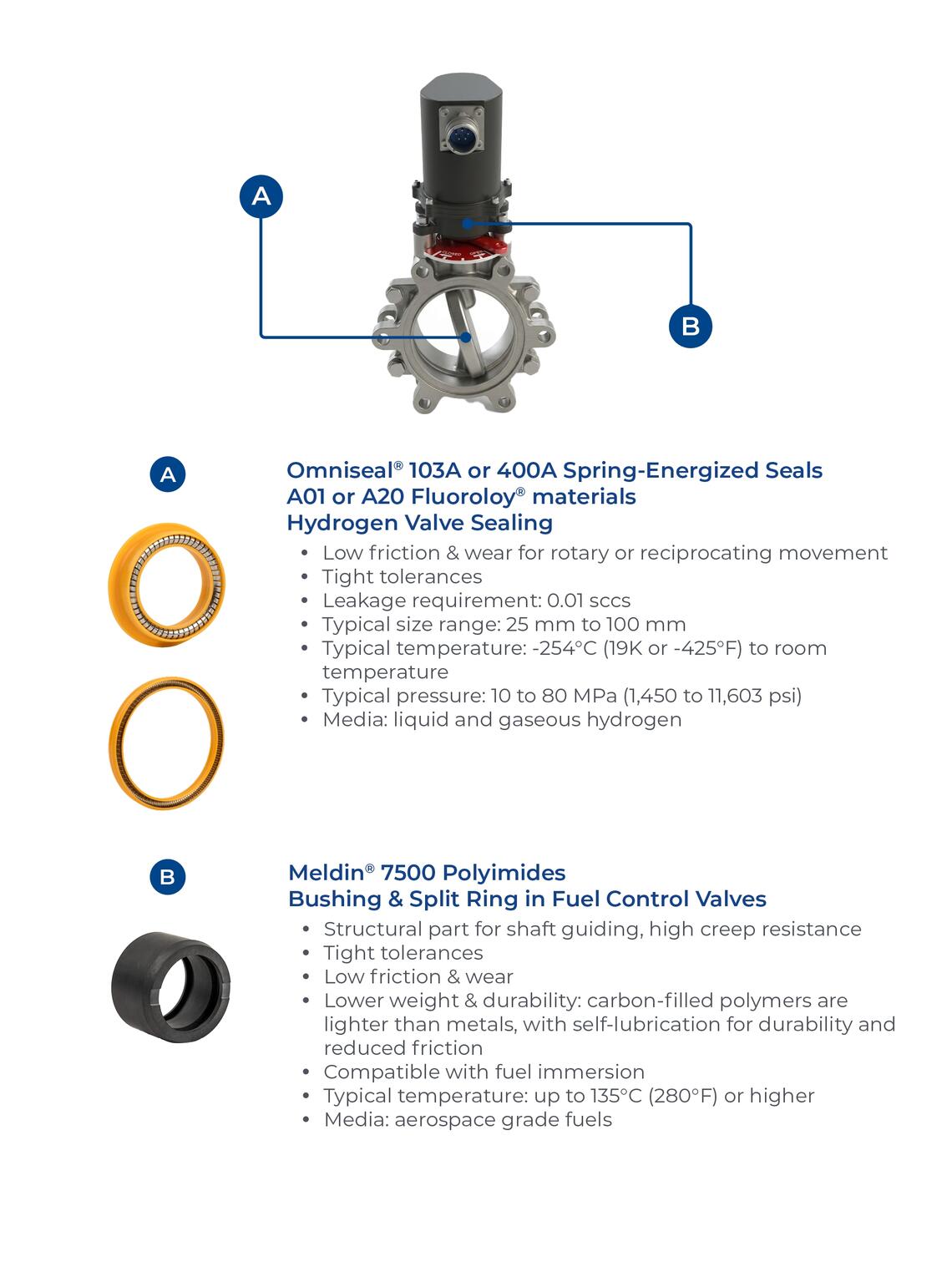
- Hydrogen Powered Aircraft
- EVTOLs & Urban Mobility
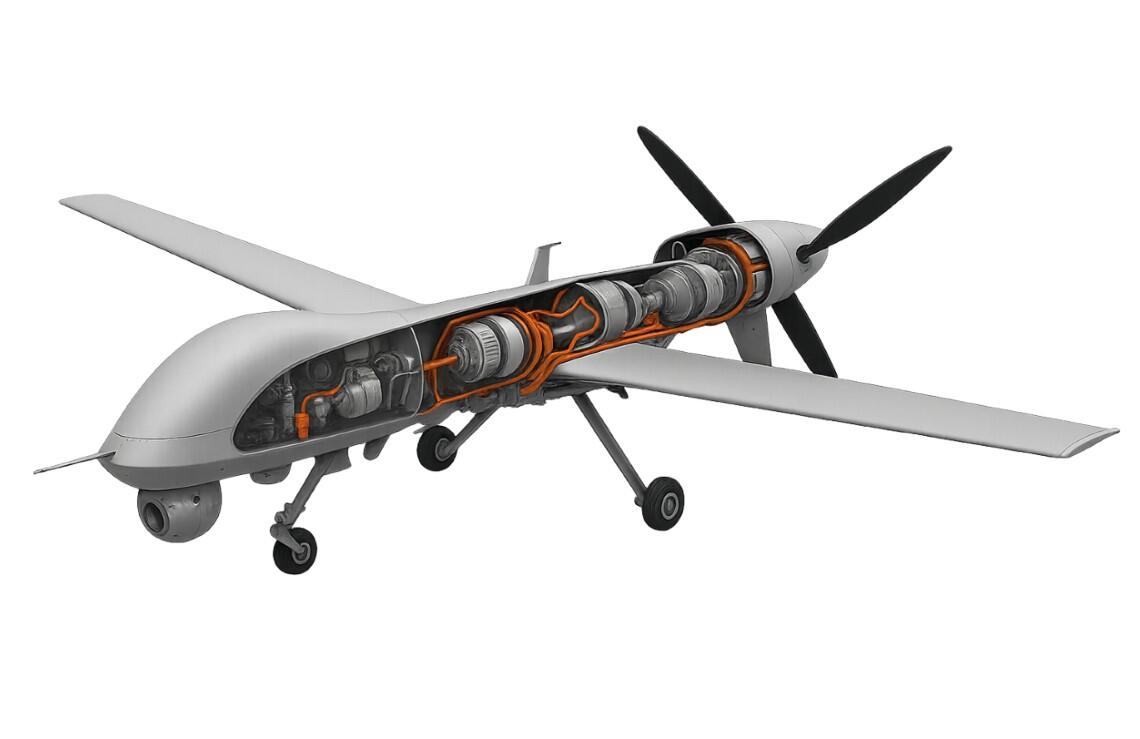
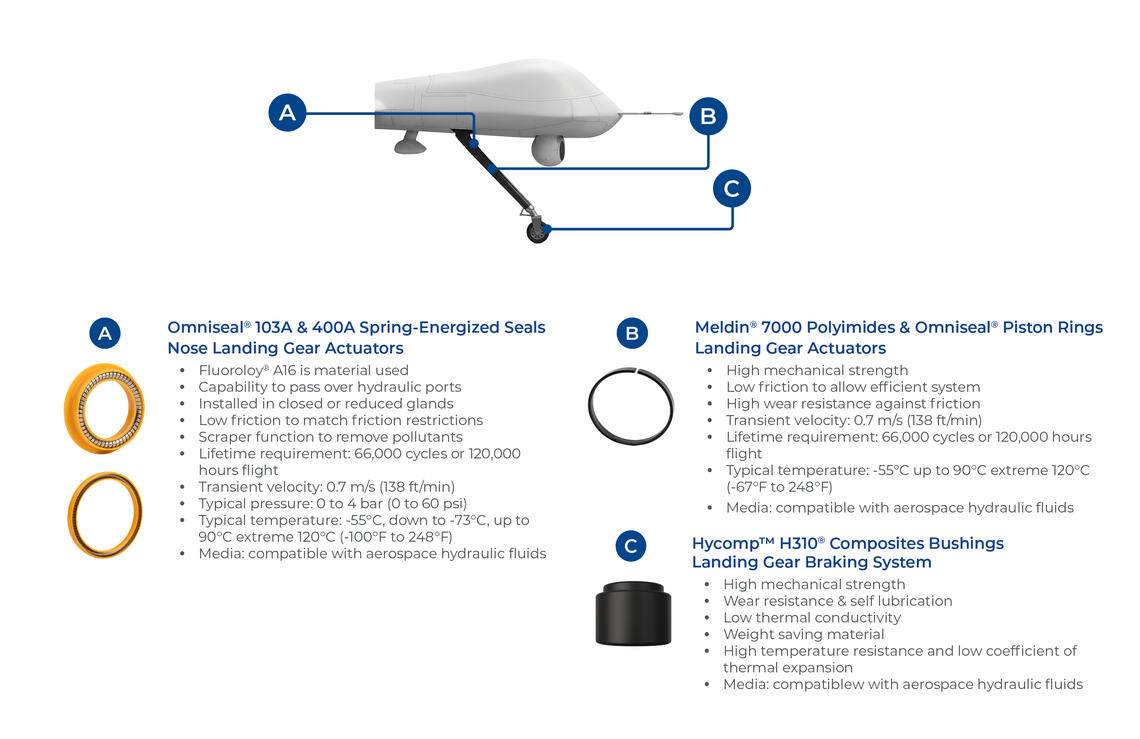
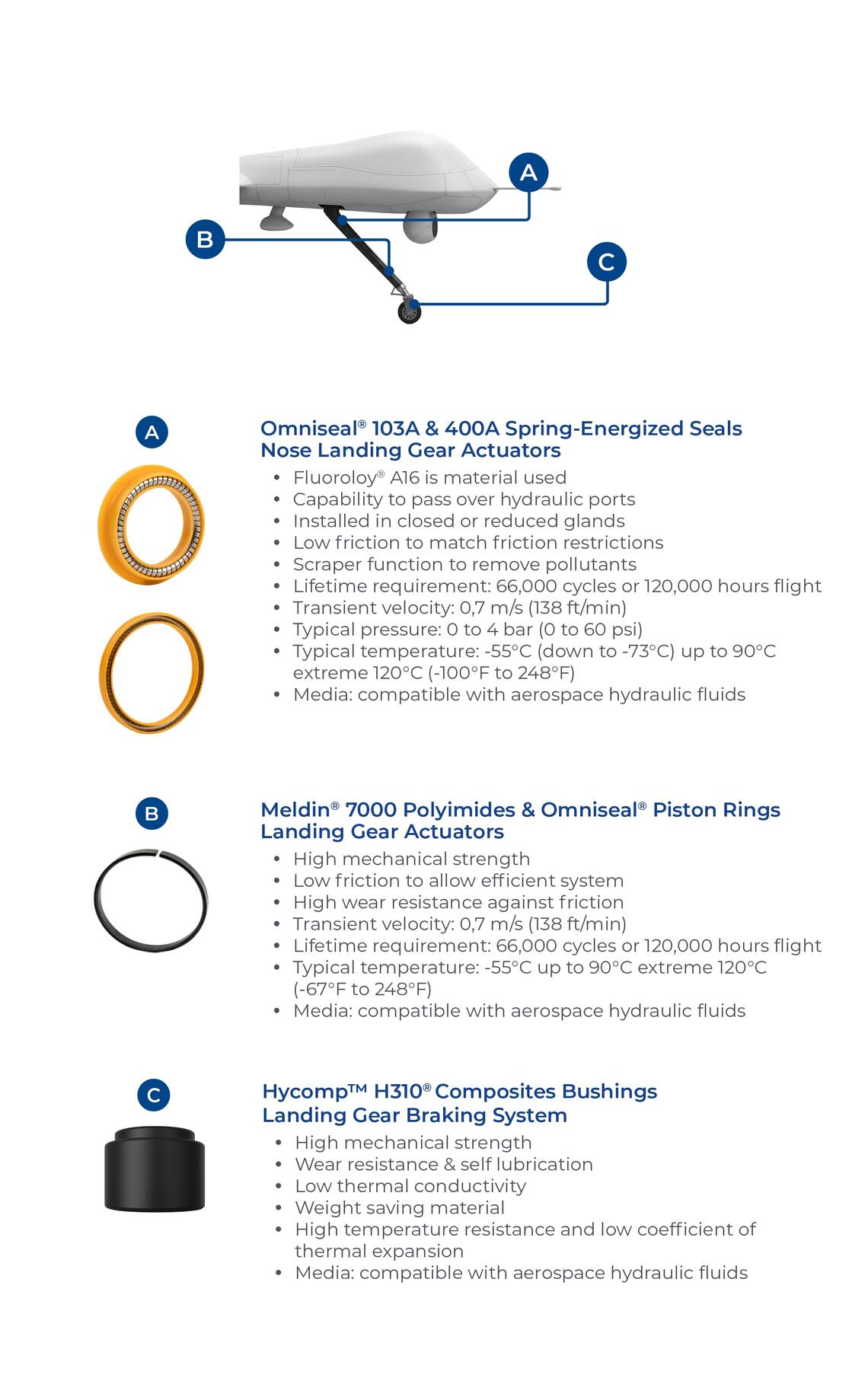
- Drones
Prevent compressed air, gas or oil from escaping while blocking contaminants. Improve lifespan with self-lubricating, wear-resistant, and low-friction materials.
Provide consistent contact and sealing control in dynamic, high-deflection, or low-load conditions. Minimize leakages especially during critical flight phases like climbing and cruising.
Reduce leakage and fatigue in harsh environments. Improve engine efficiency and durability by reducing fuel consumption and CO2 and NOx emissions.
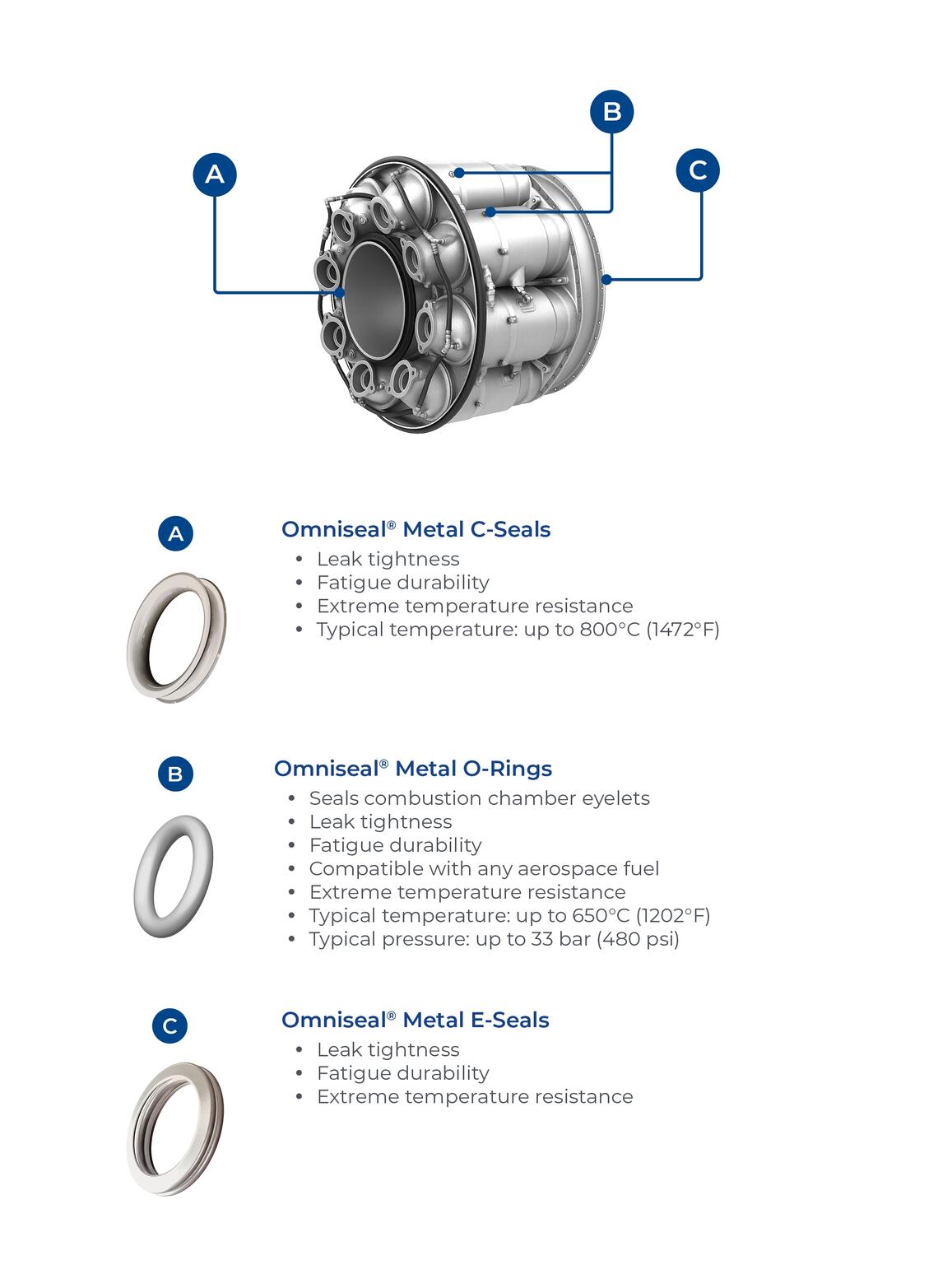
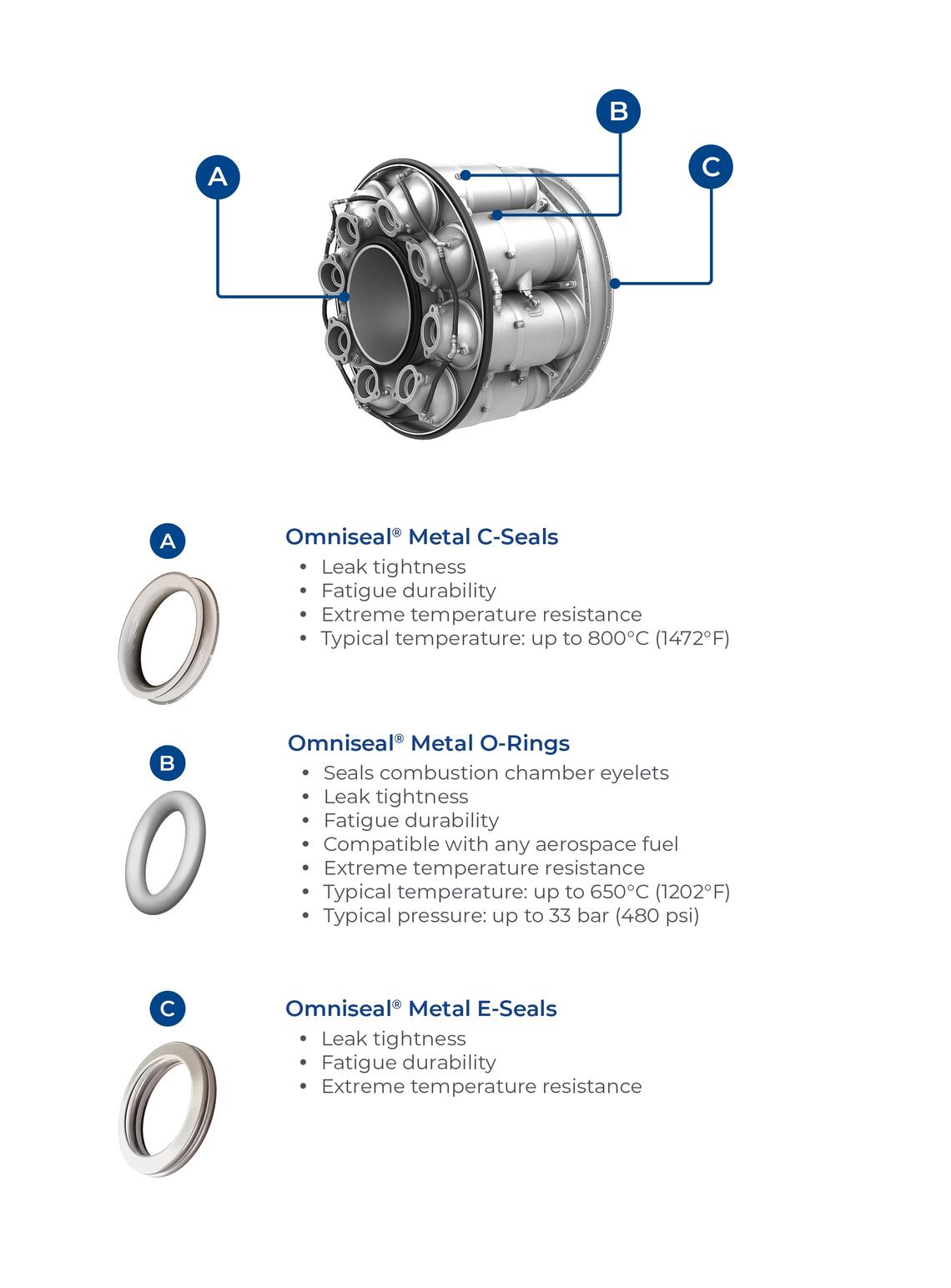
Meet stringent aerospace requirements using custom metal seals with specific geometries and materials. Prevent air ingestion and fuel leakage.
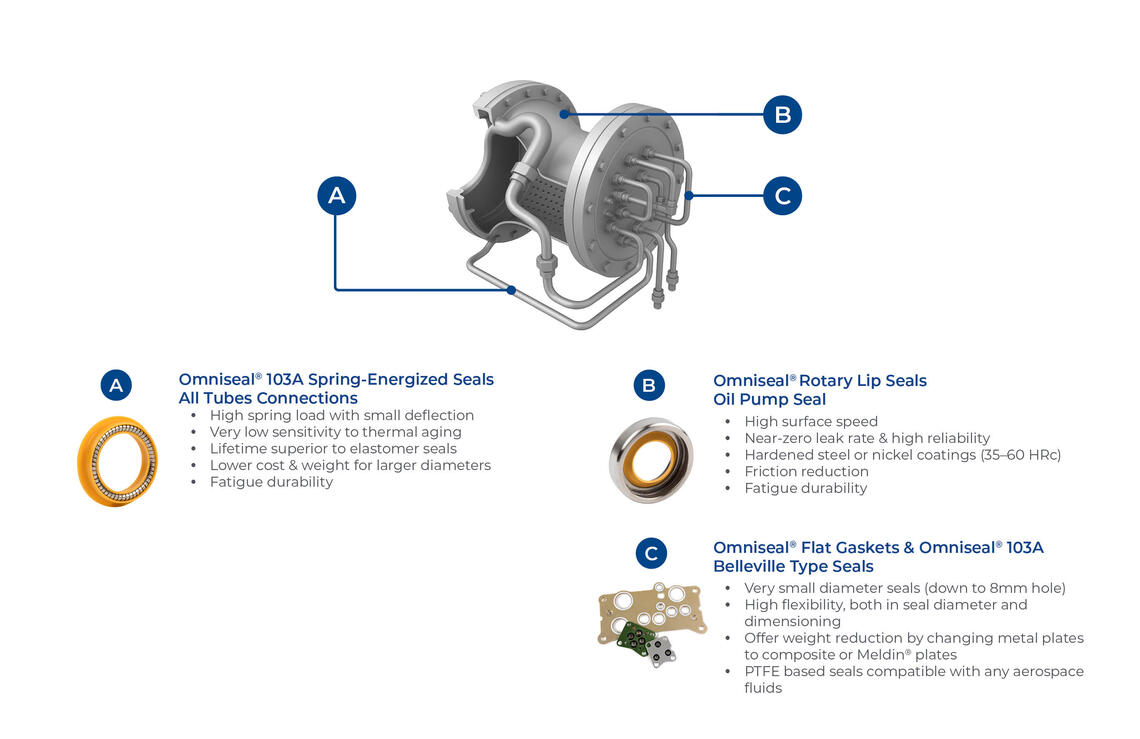
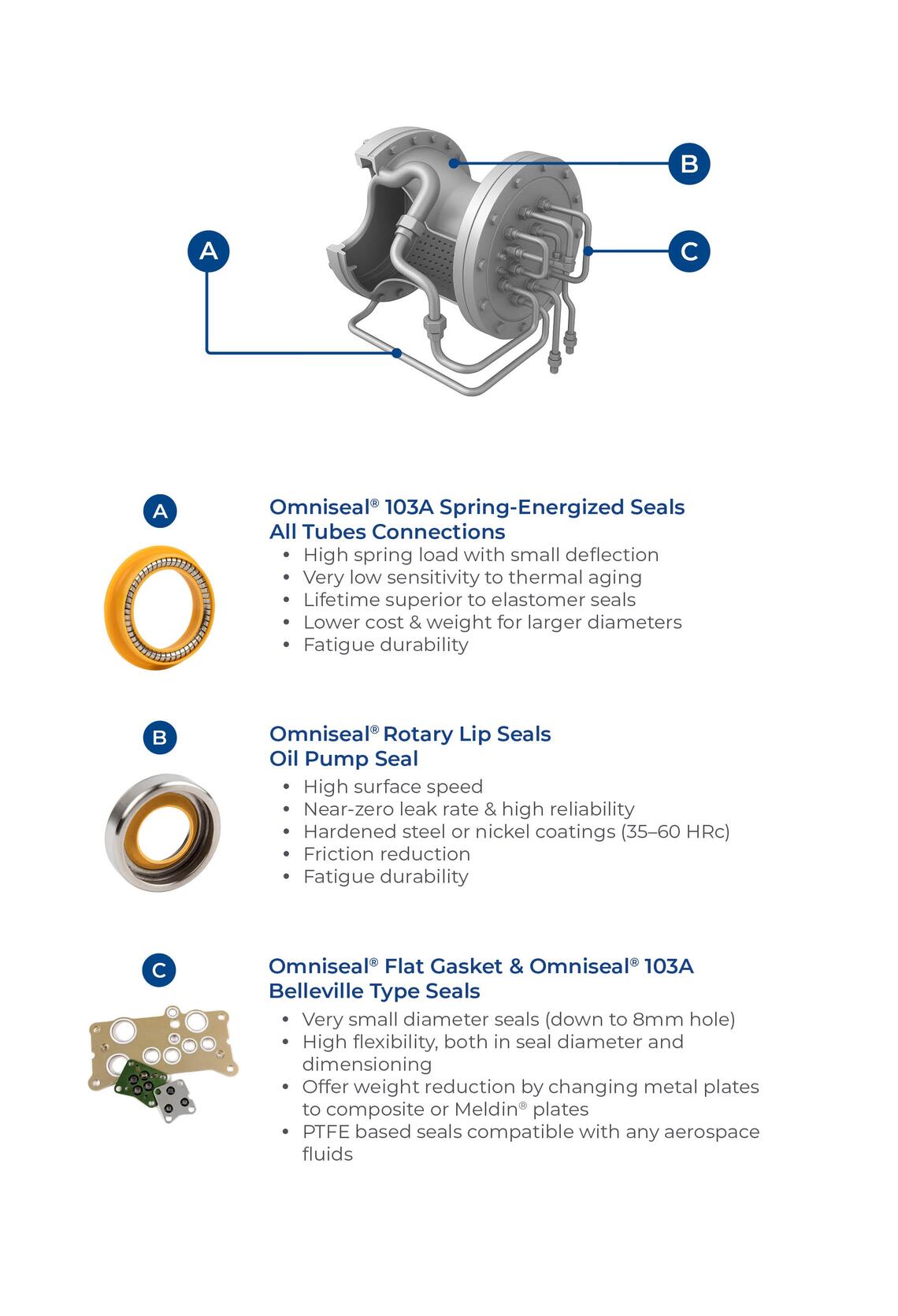
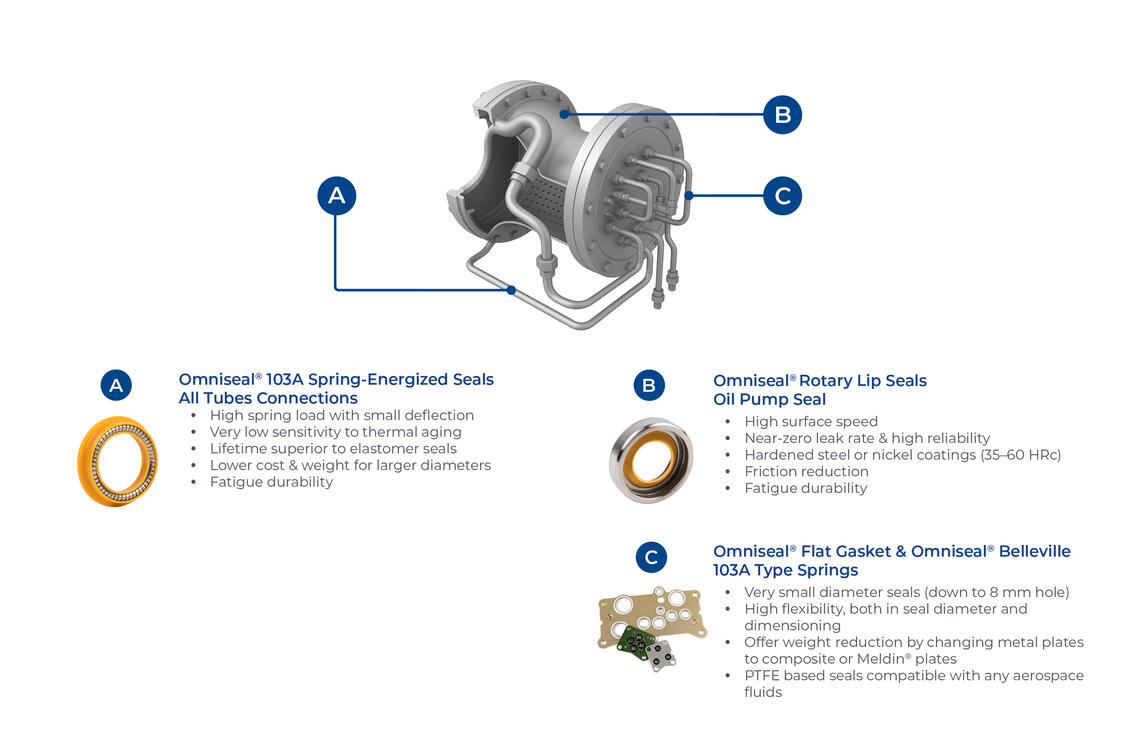
Resist jet fuel, oils, and high heat through gaskets. Handle dynamic applications for high deflection, low load, and high pressure/vacuum sealing: pumps, valves, and actuators.
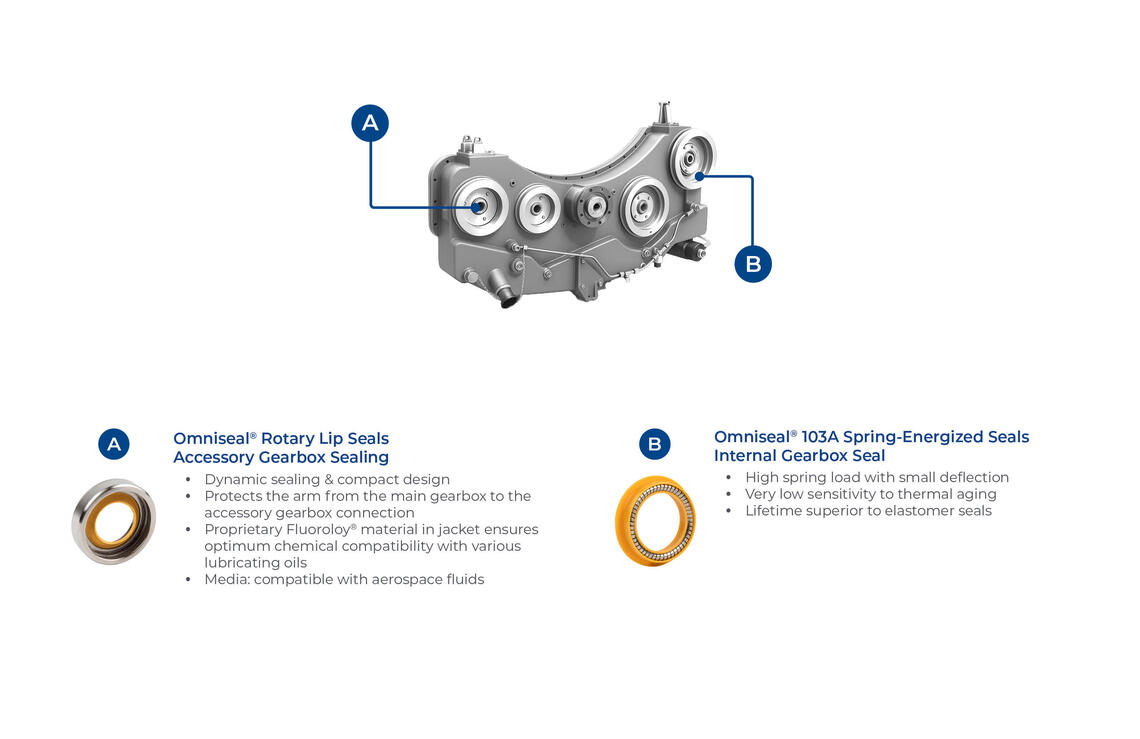
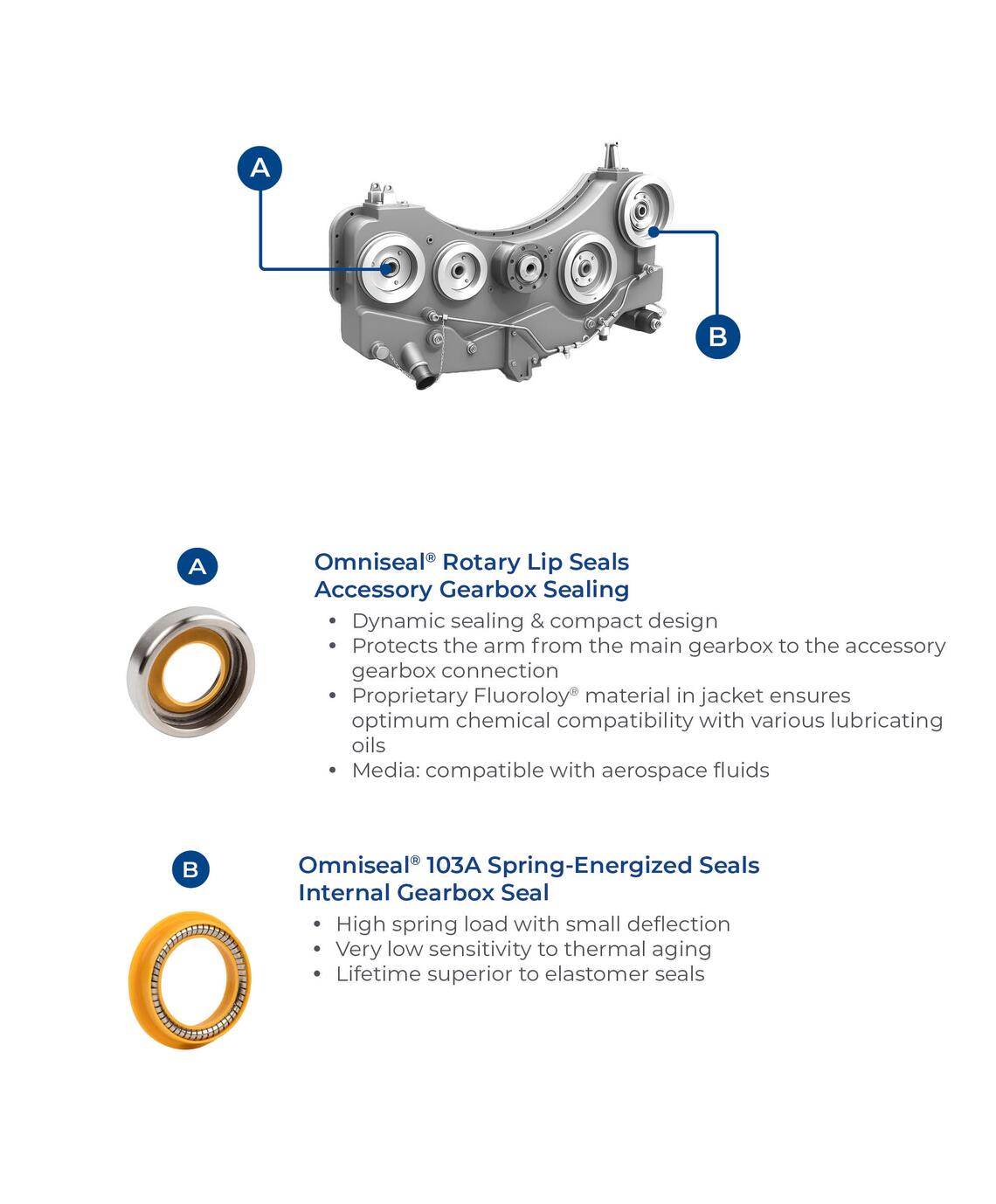
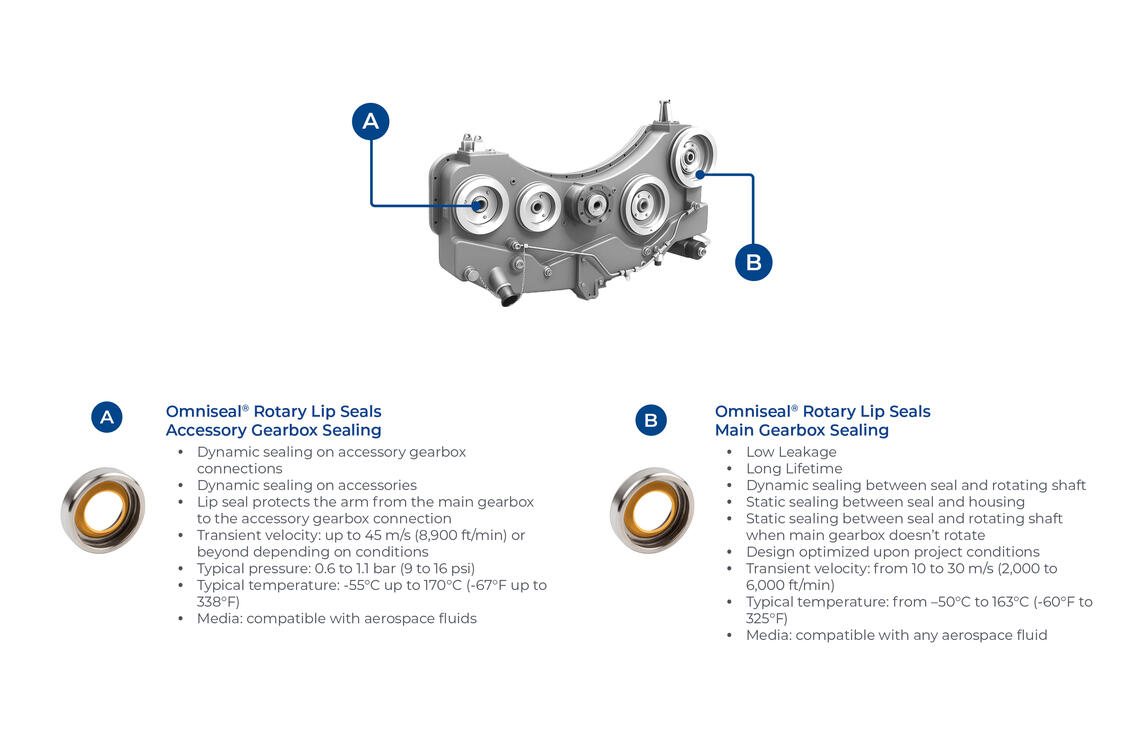
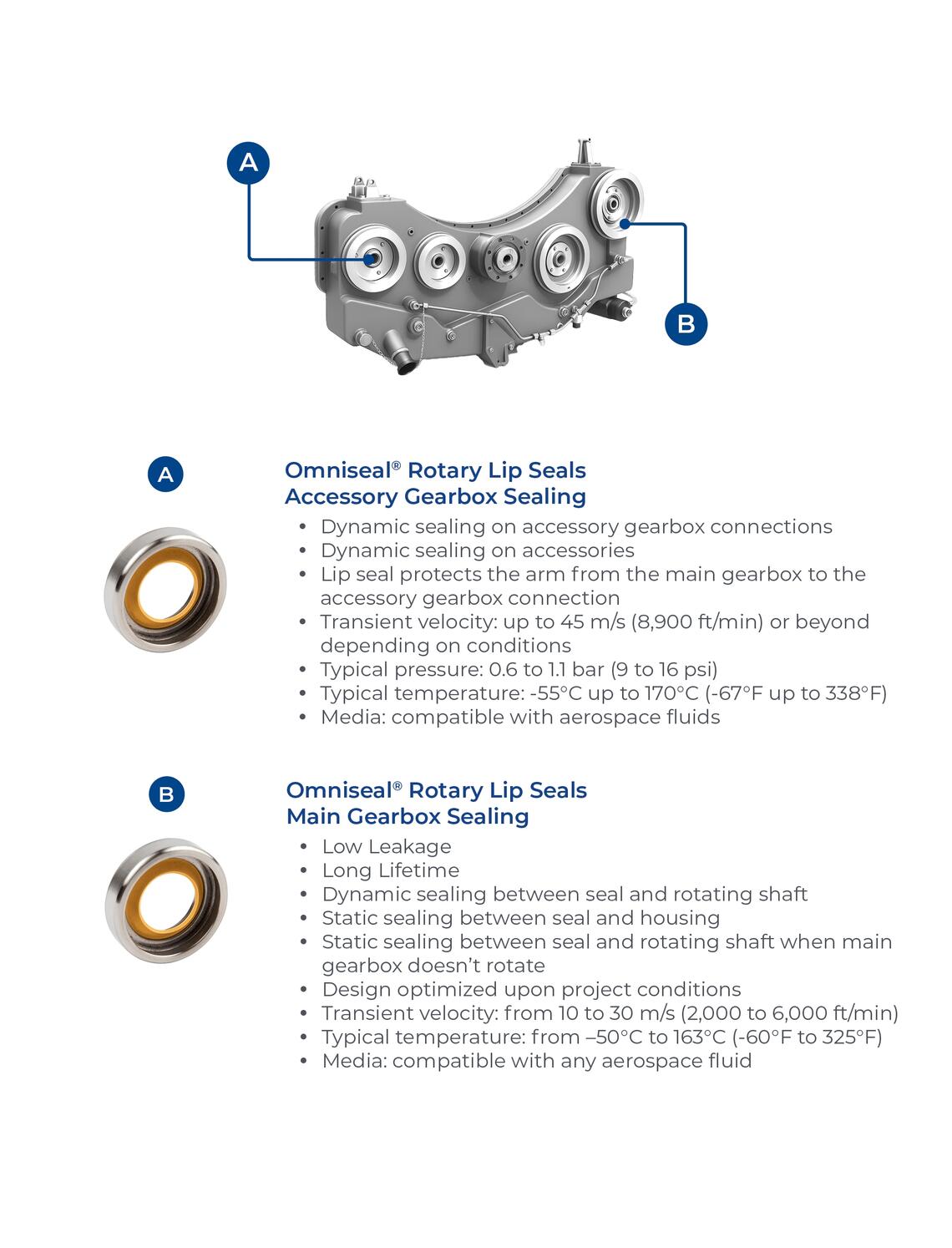
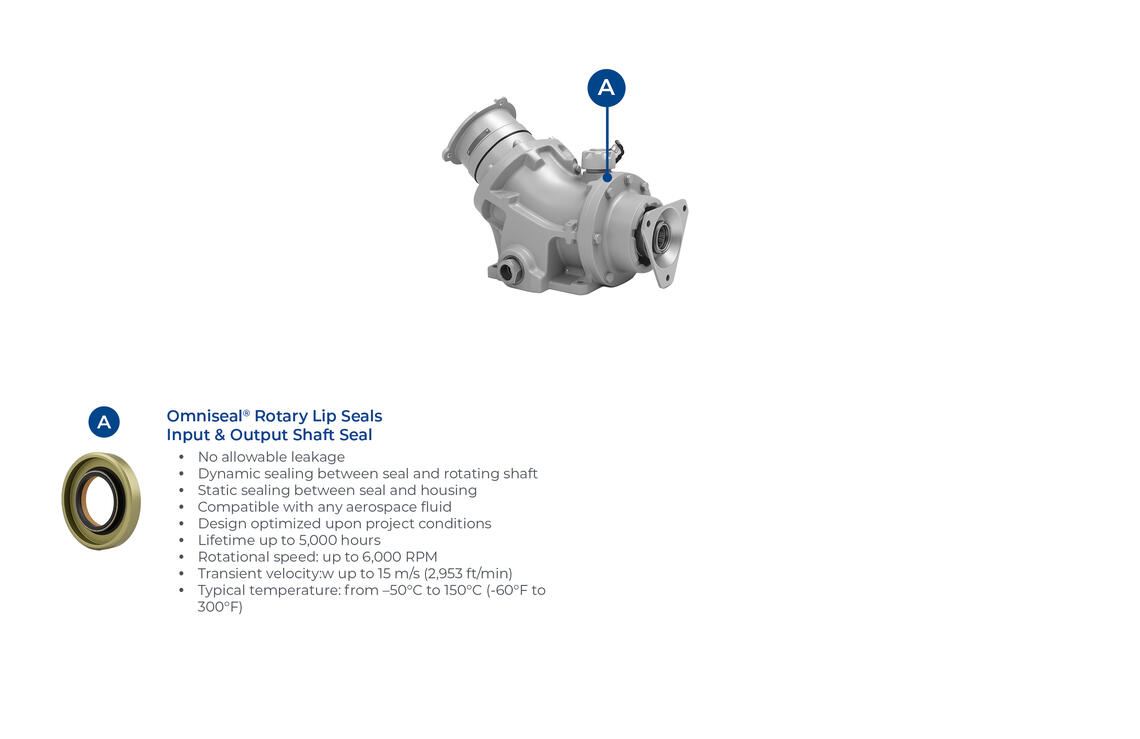
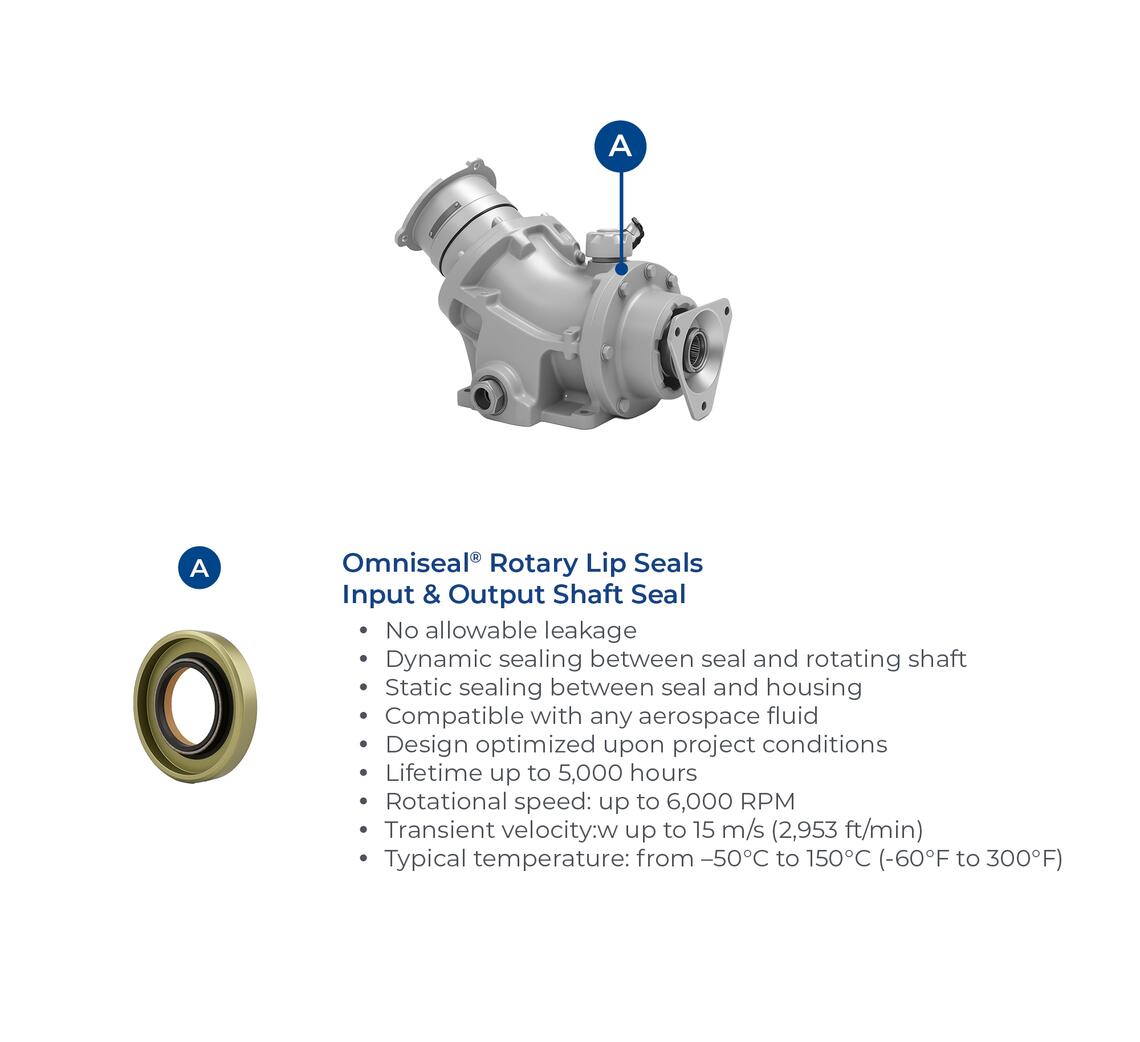
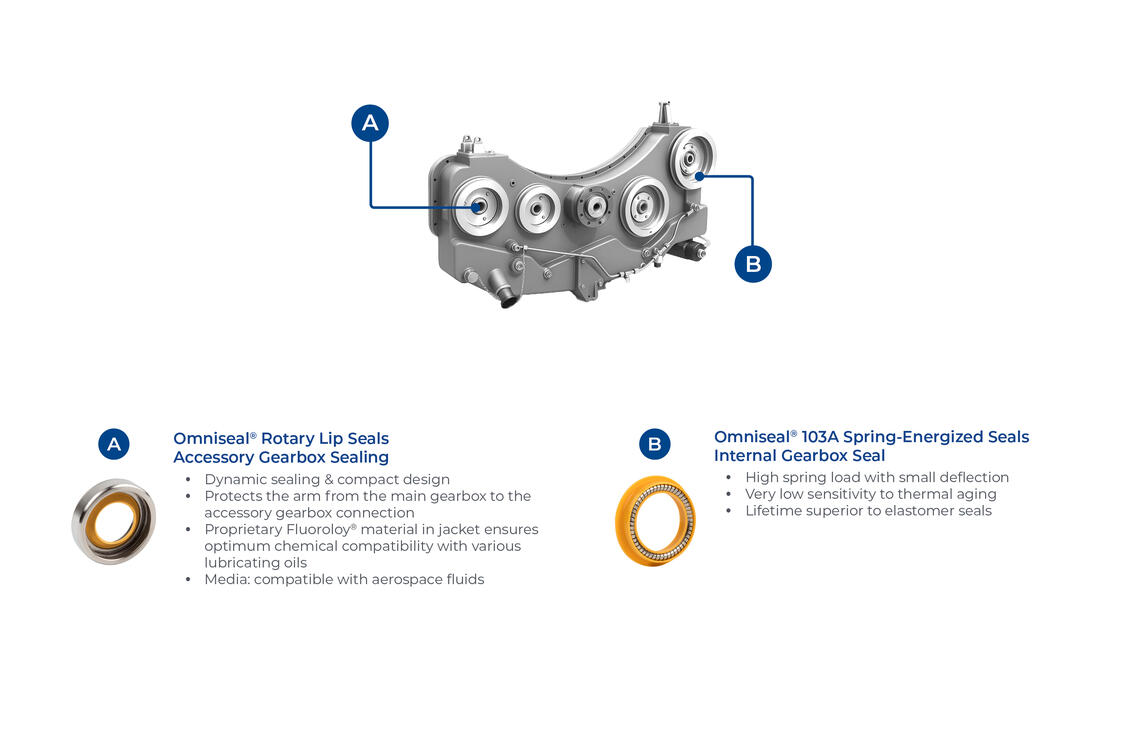
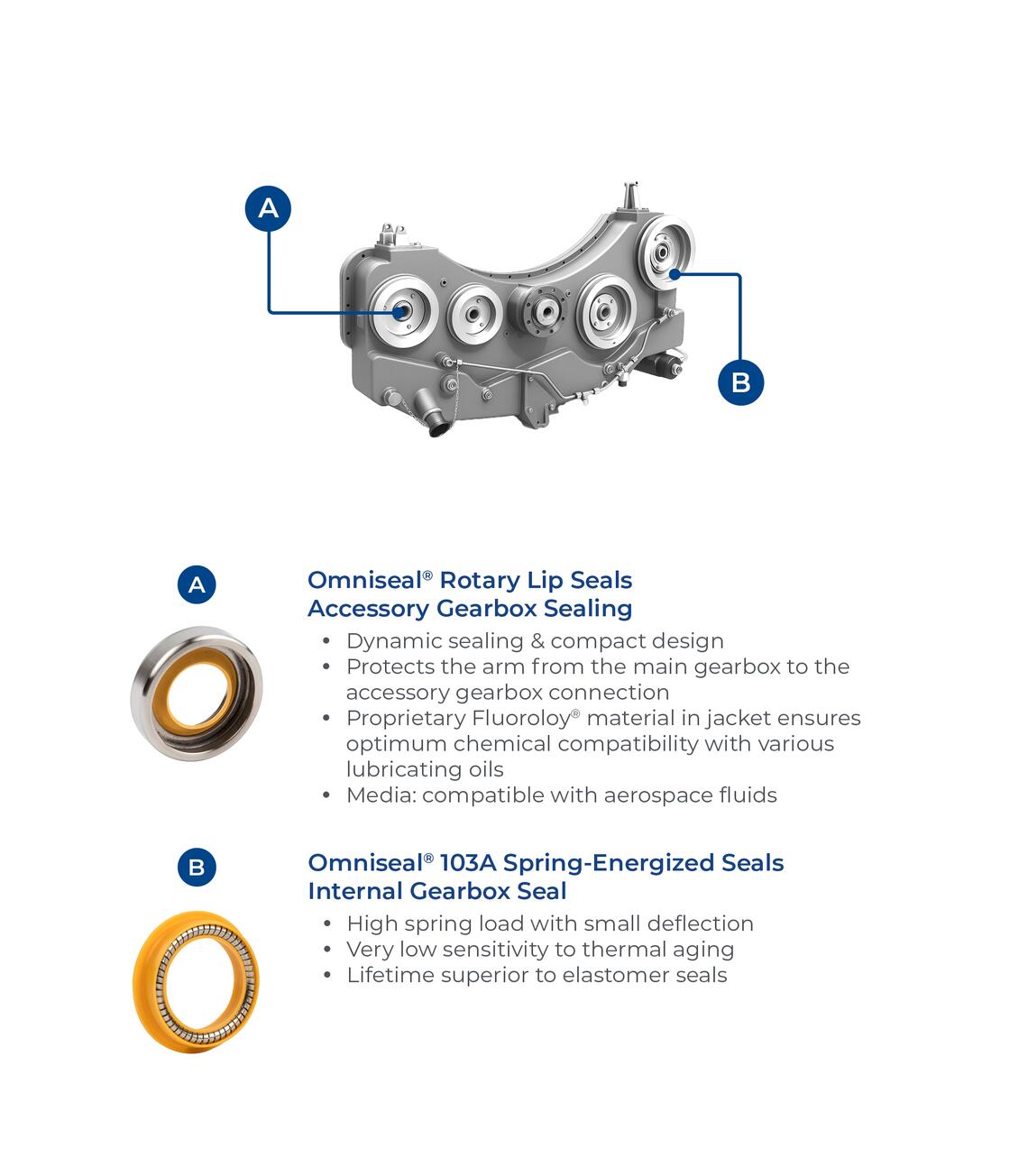
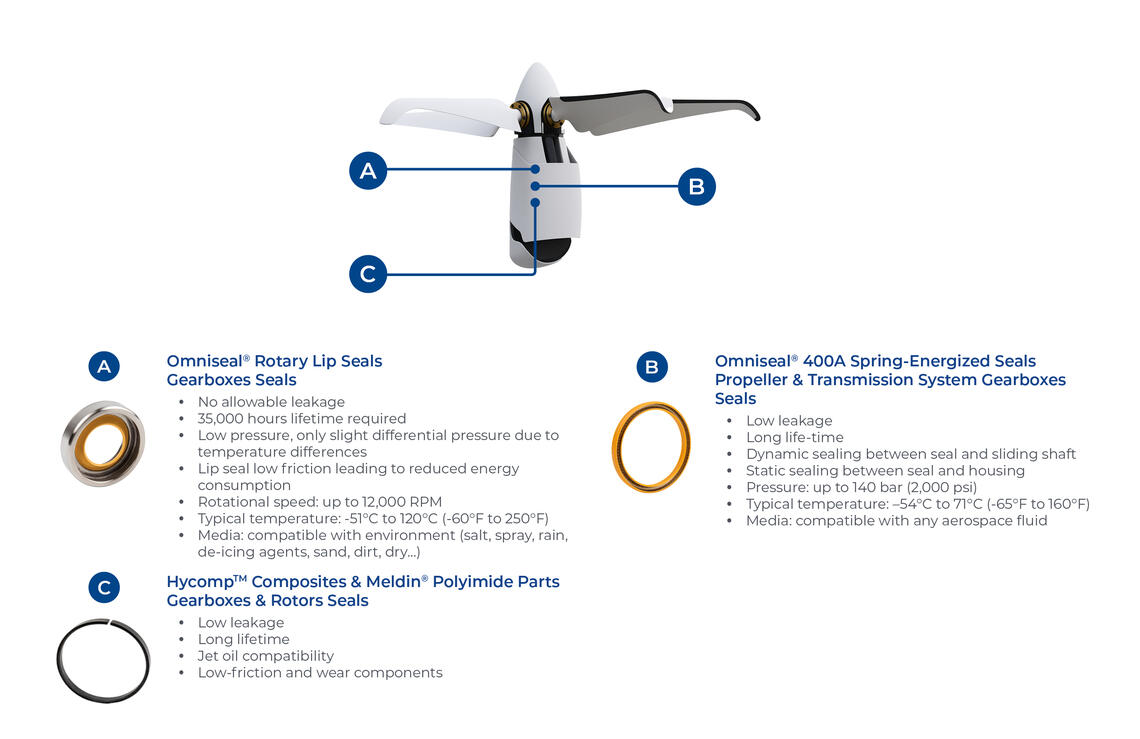
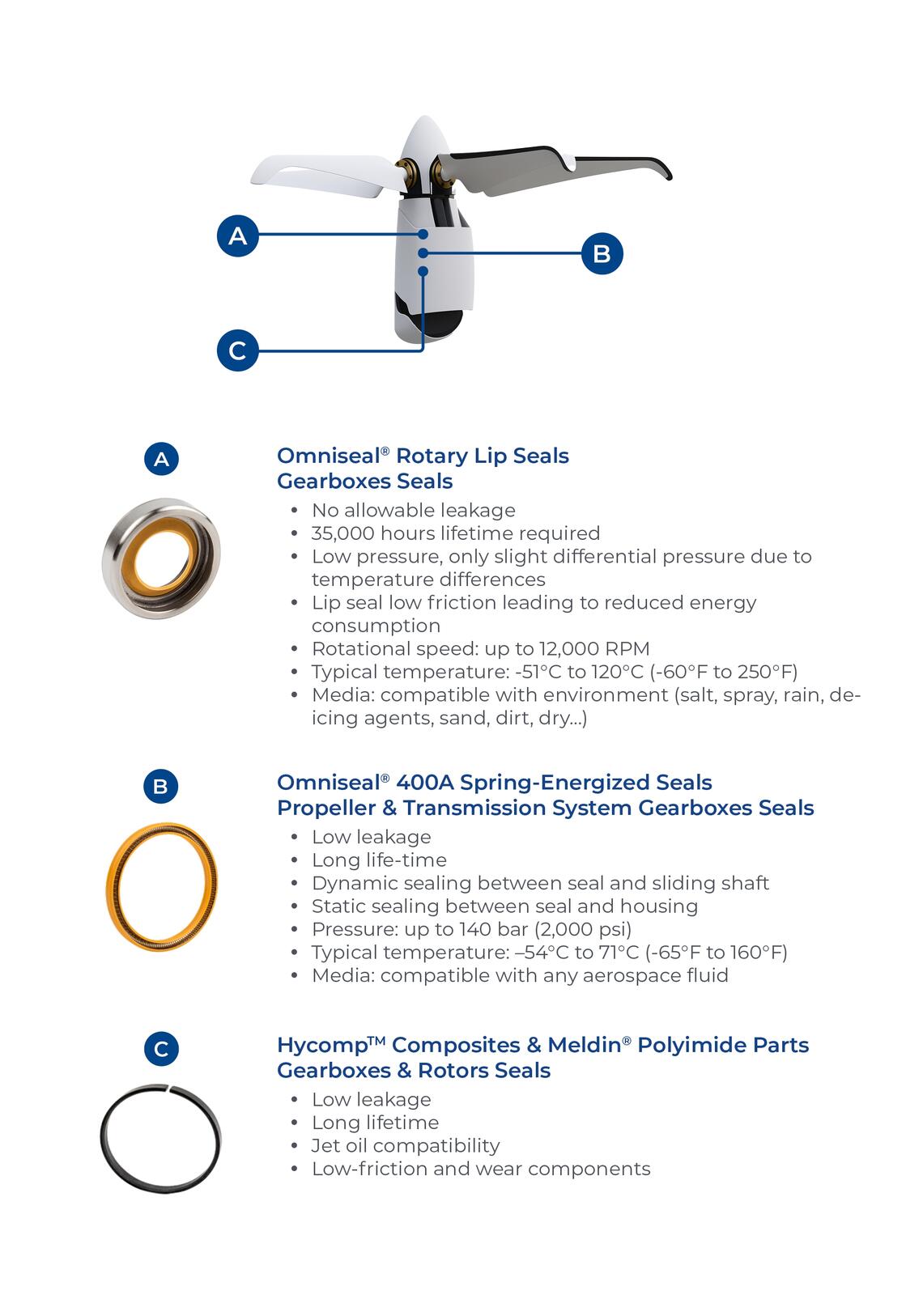
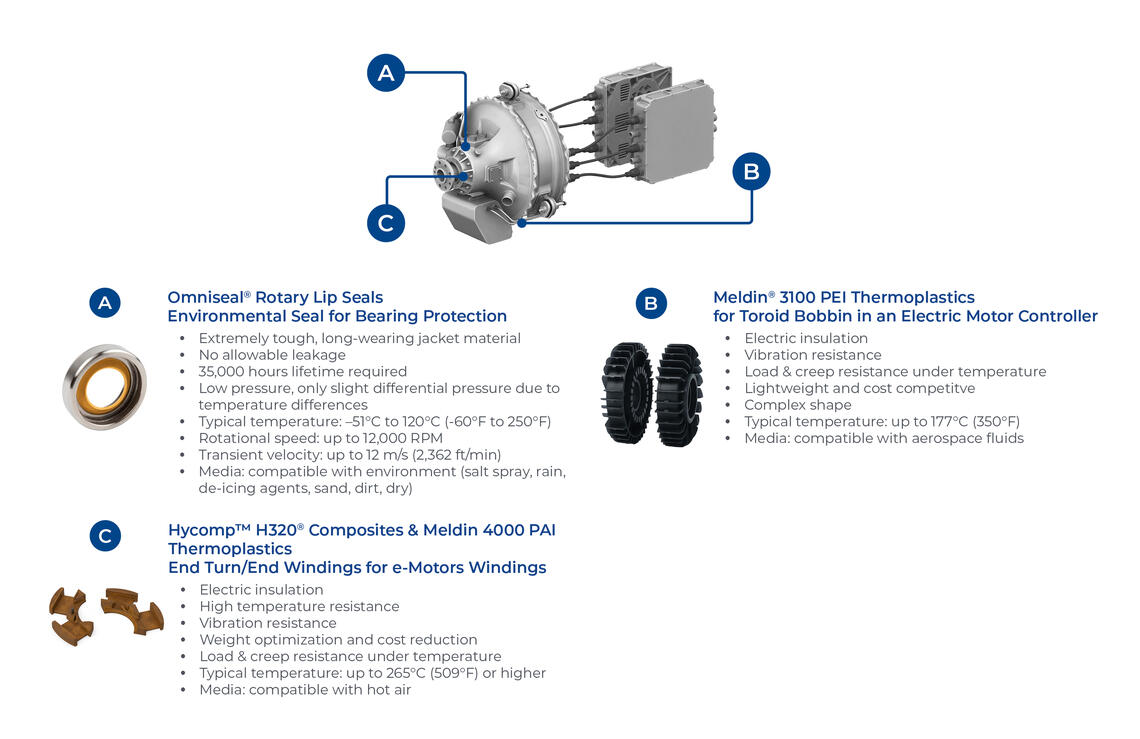
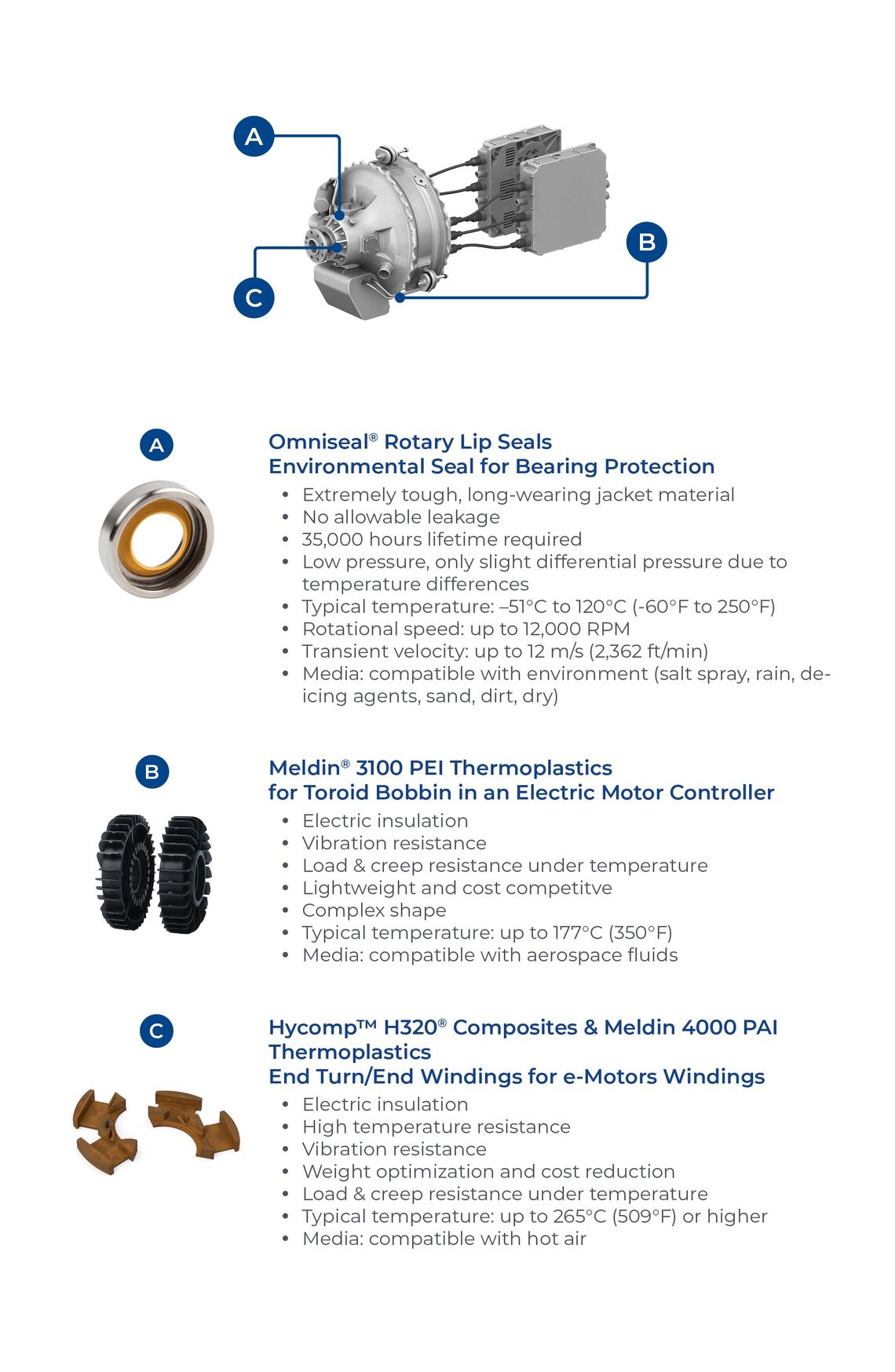
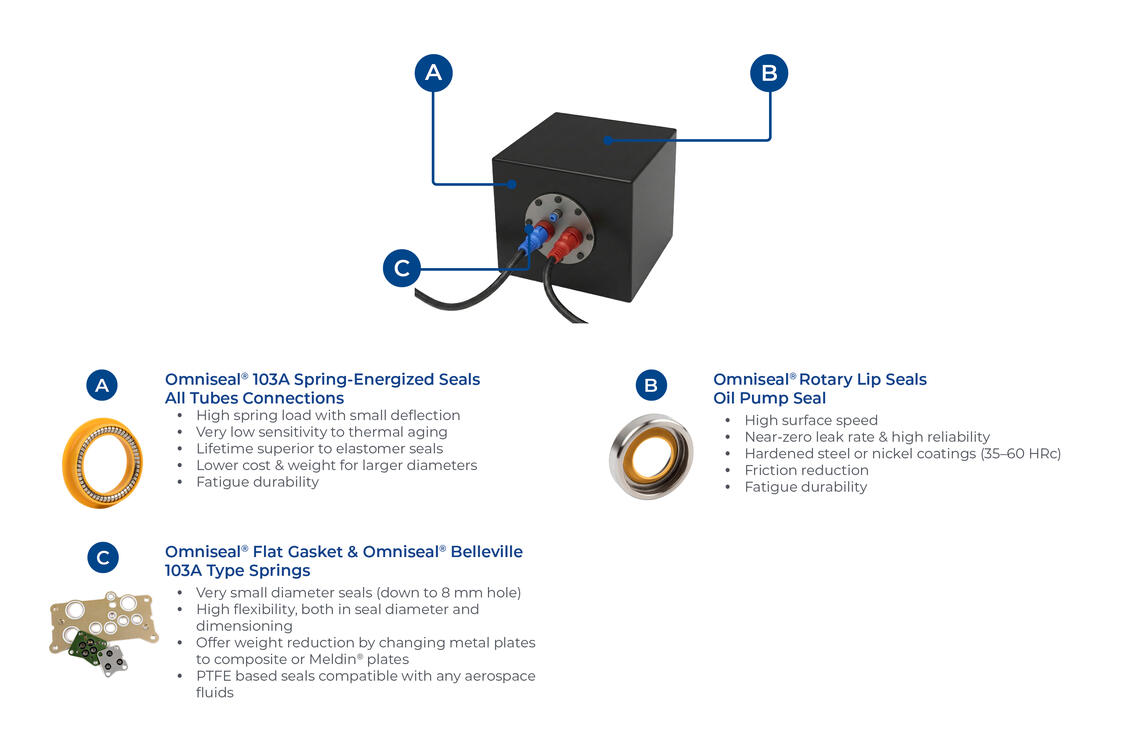
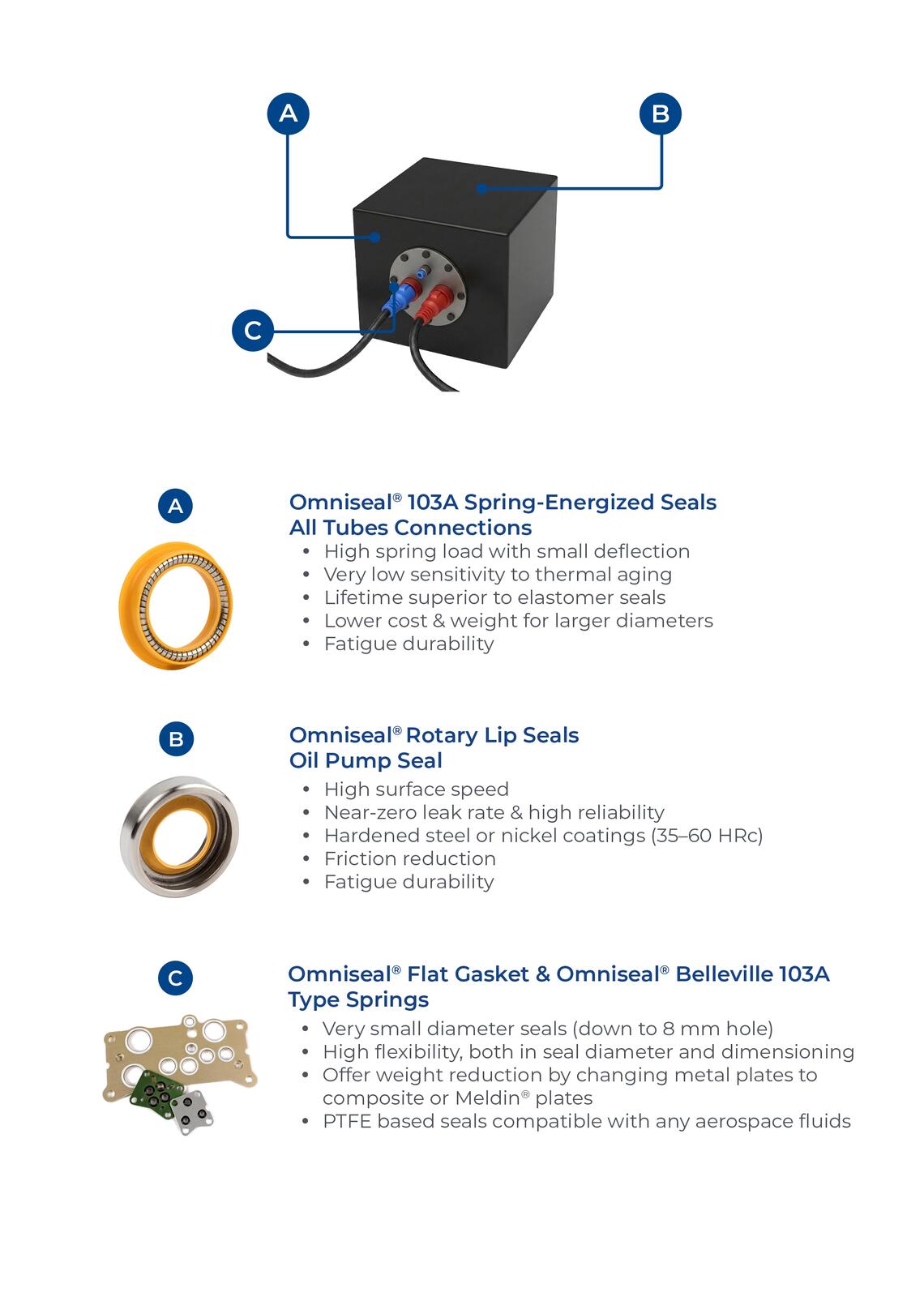
Withstand high rotational shaft speeds, vibration and temperatures to seal oil within gearbox, essential for lubrication and cooling. Minimize friction and wear and prevent misalignment.
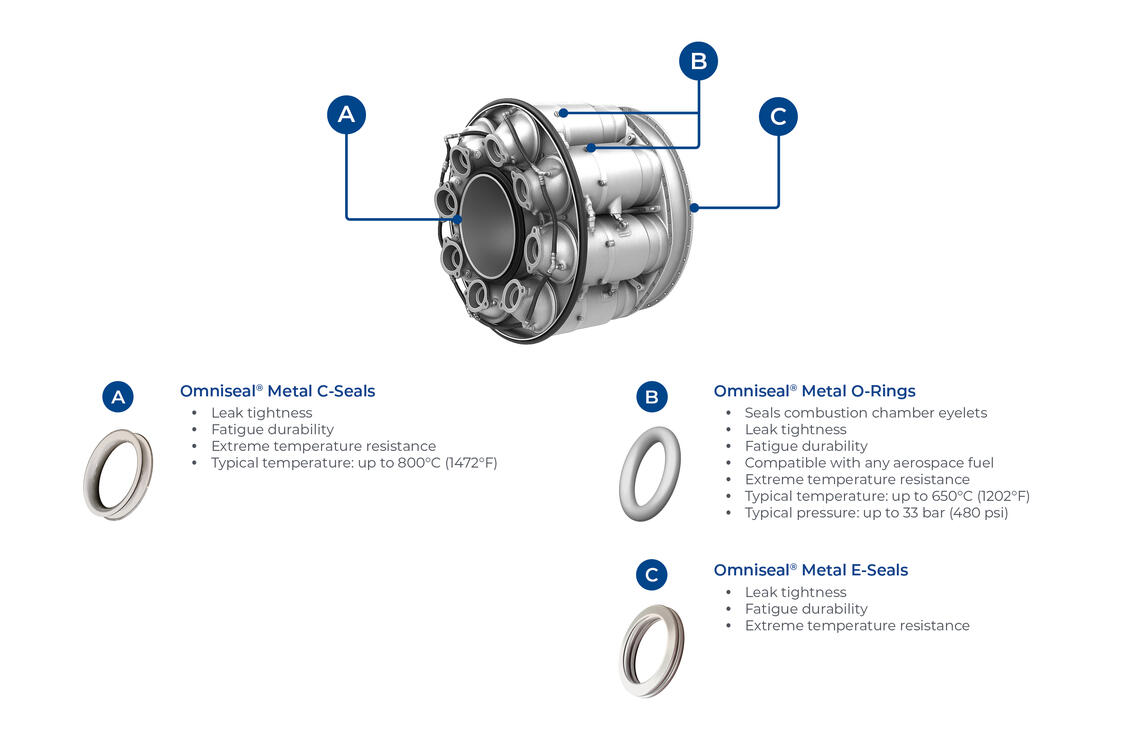
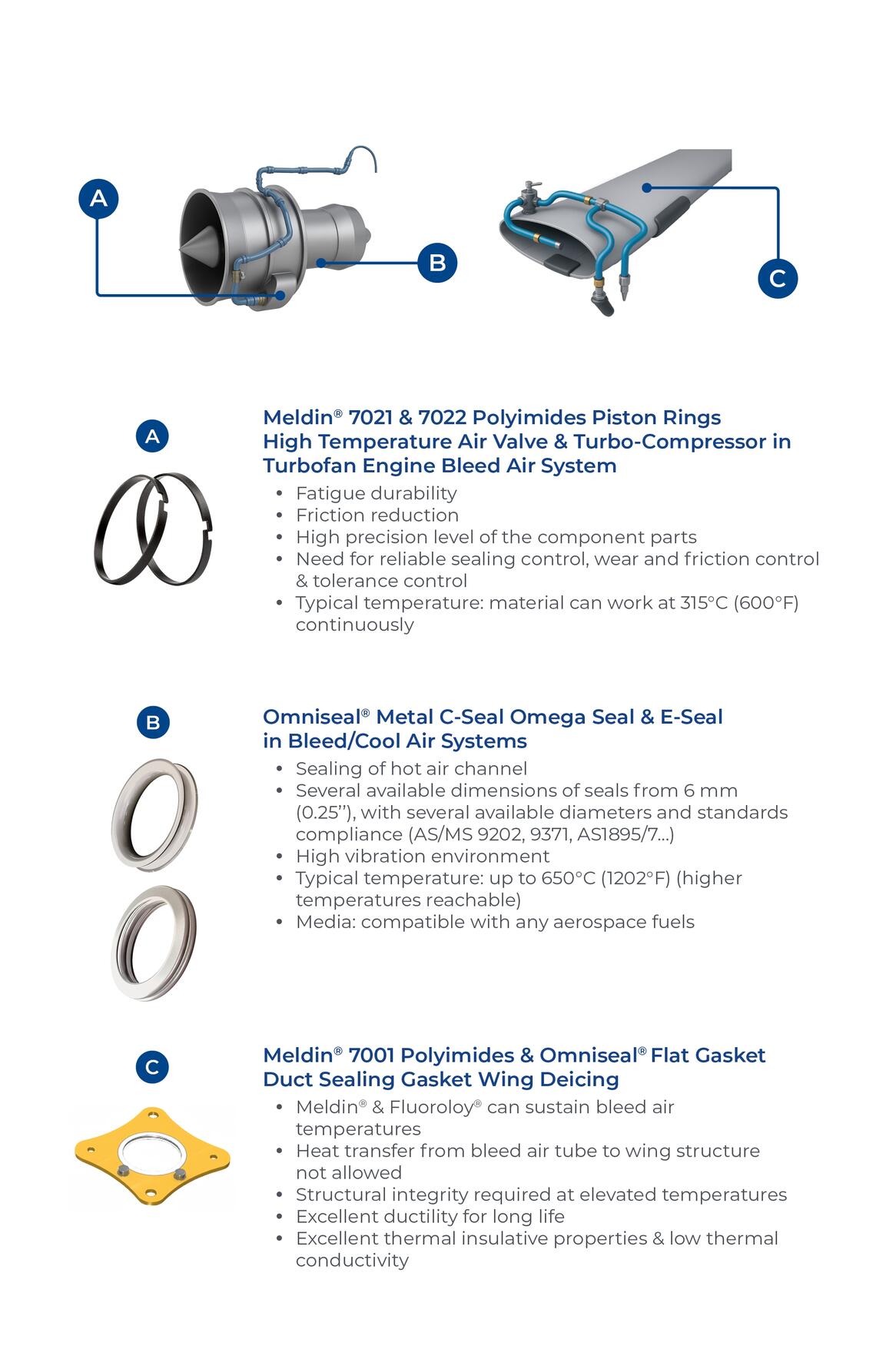
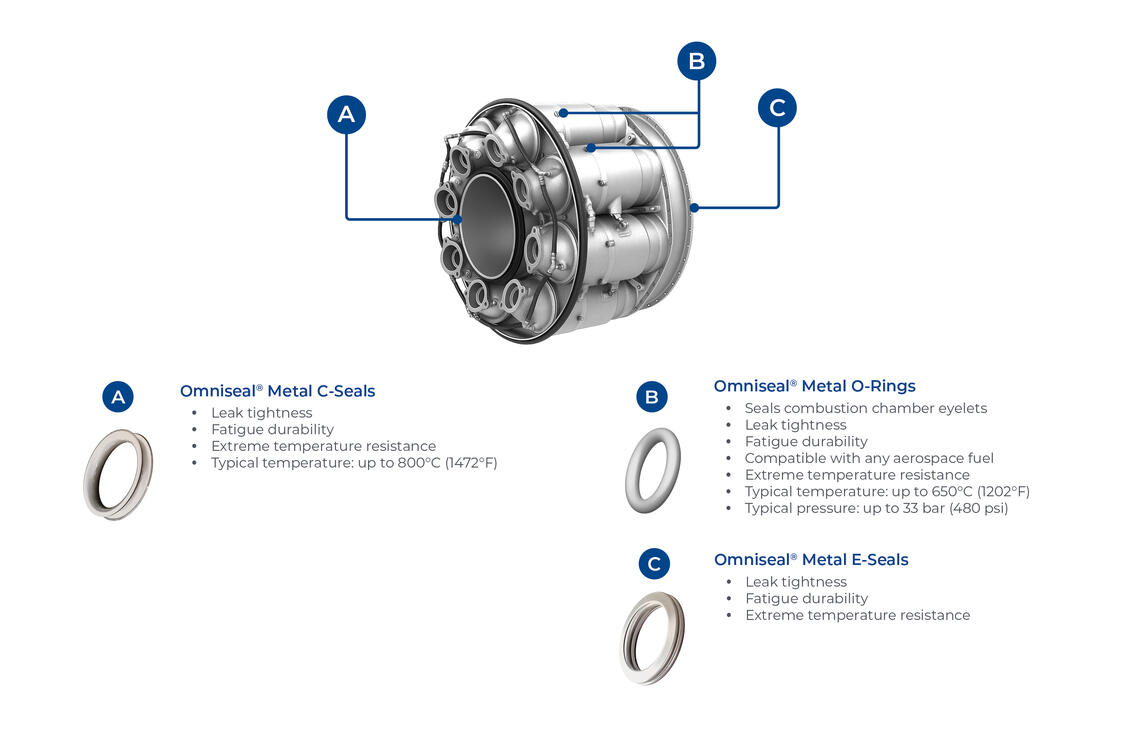
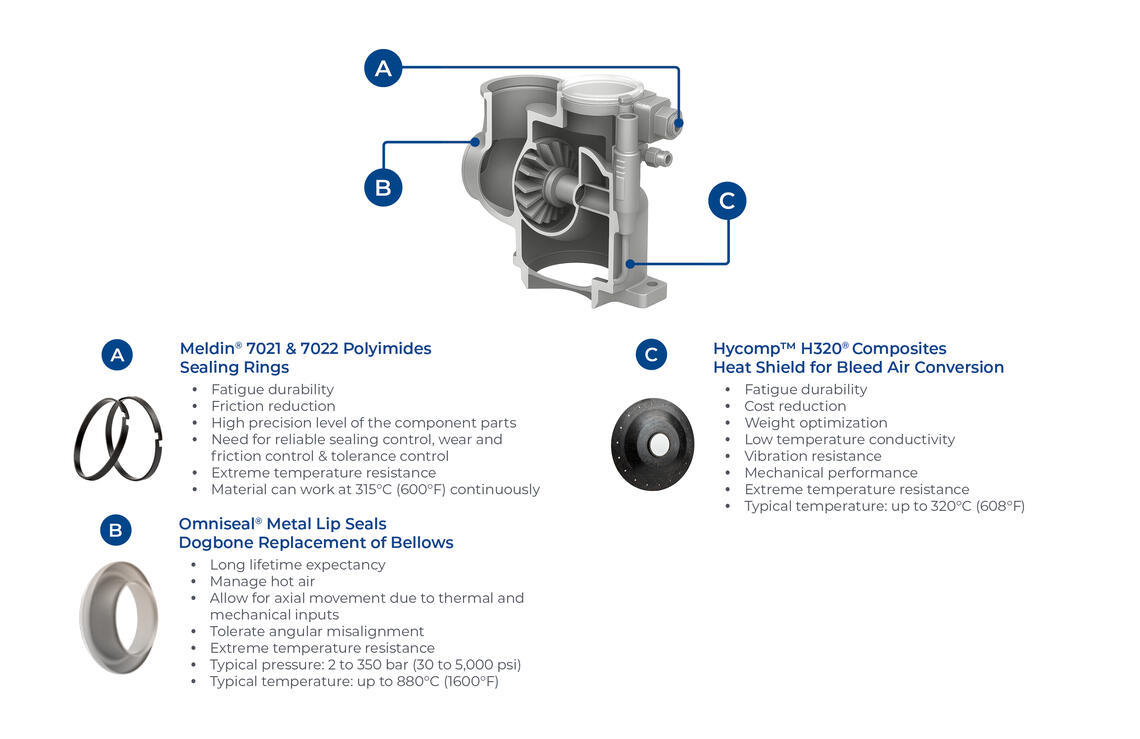
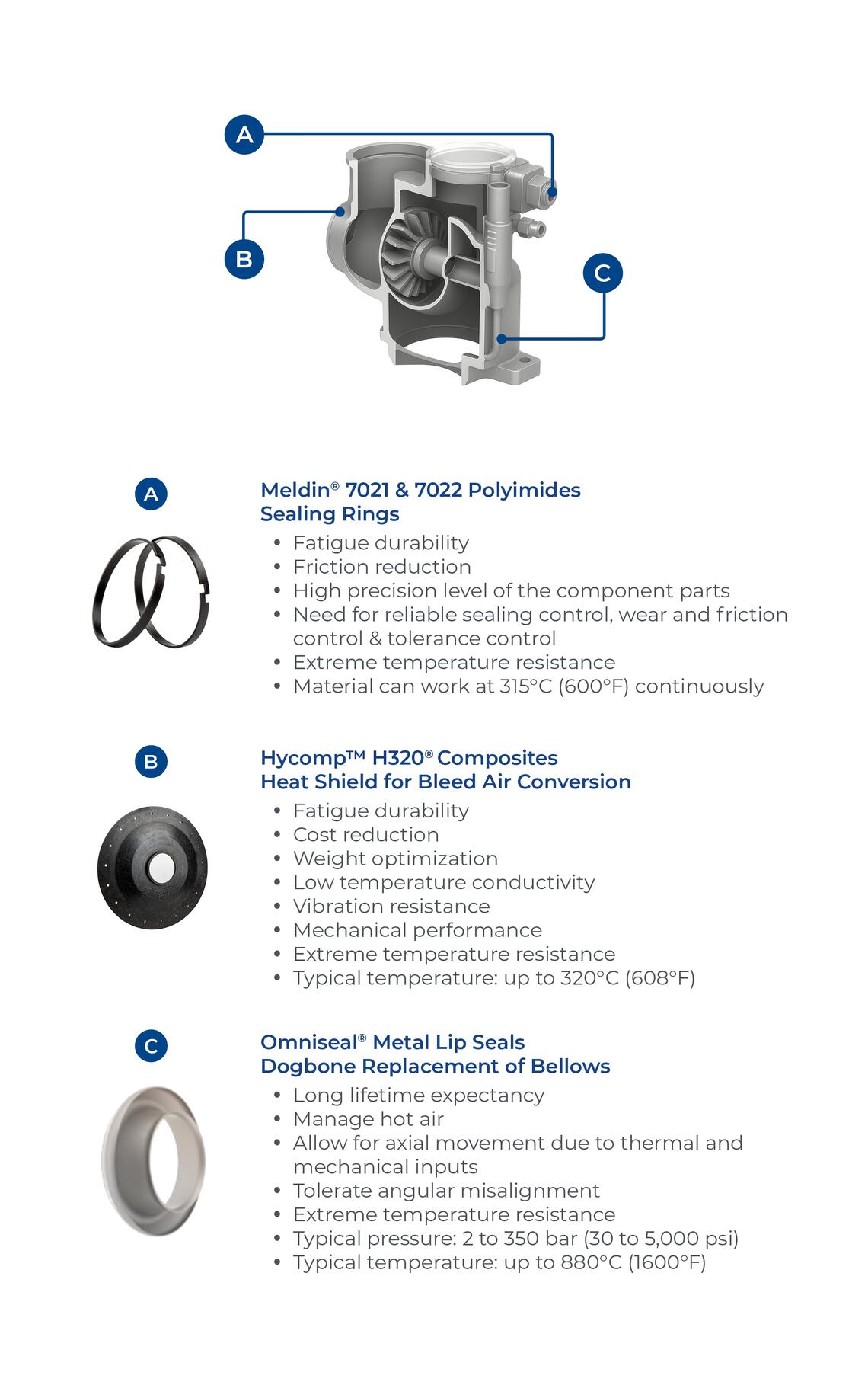
Ensure reliability in extreme heat (up to 1200°F/650°C) and pressure in high-stress areas: valves, ducts, and flexible joints. Resist performance issues from engine vibration.
Maintain integrity in extreme thermal and chemical environments. Lower maintenance costs, extend longer service life of components, and achieve weight reduction.
Minimize friction under extreme rotational speeds as well as axial and radial loads. Withstand high temperatures from adjacent turbine components.
Create gas-tight seal to keep lubricants inside while excluding contaminants. Provide high-speed, dynamic sealing to reduce wear, fatigue, and friction.
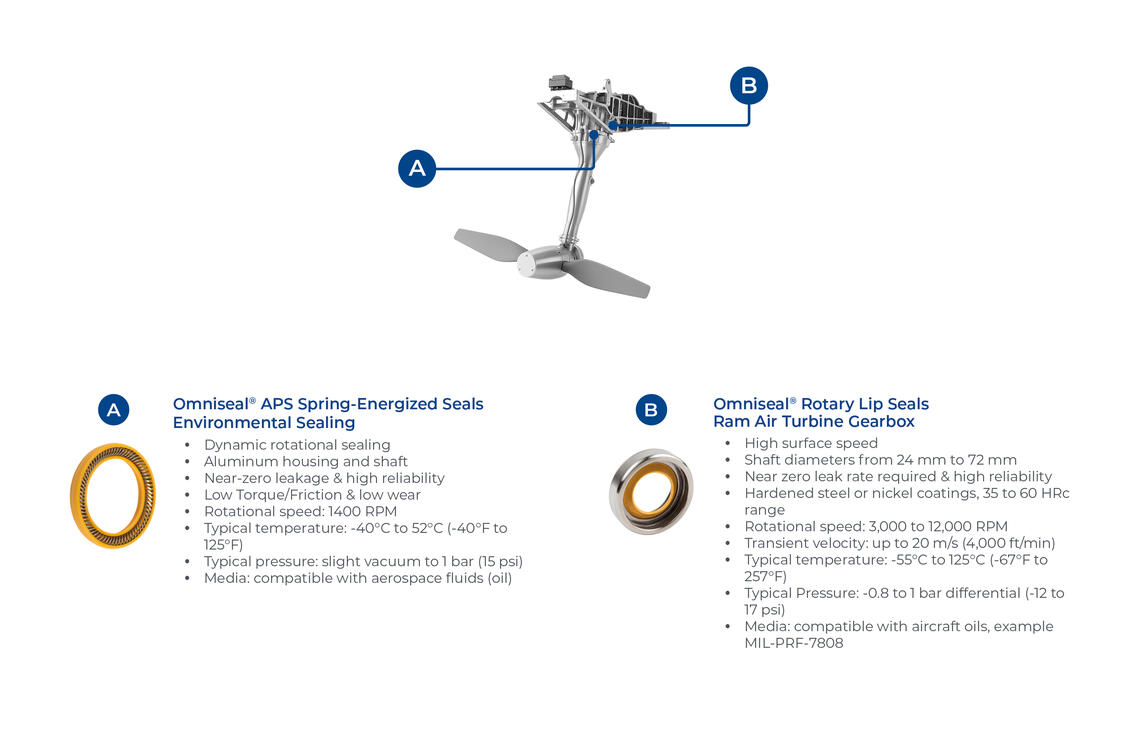
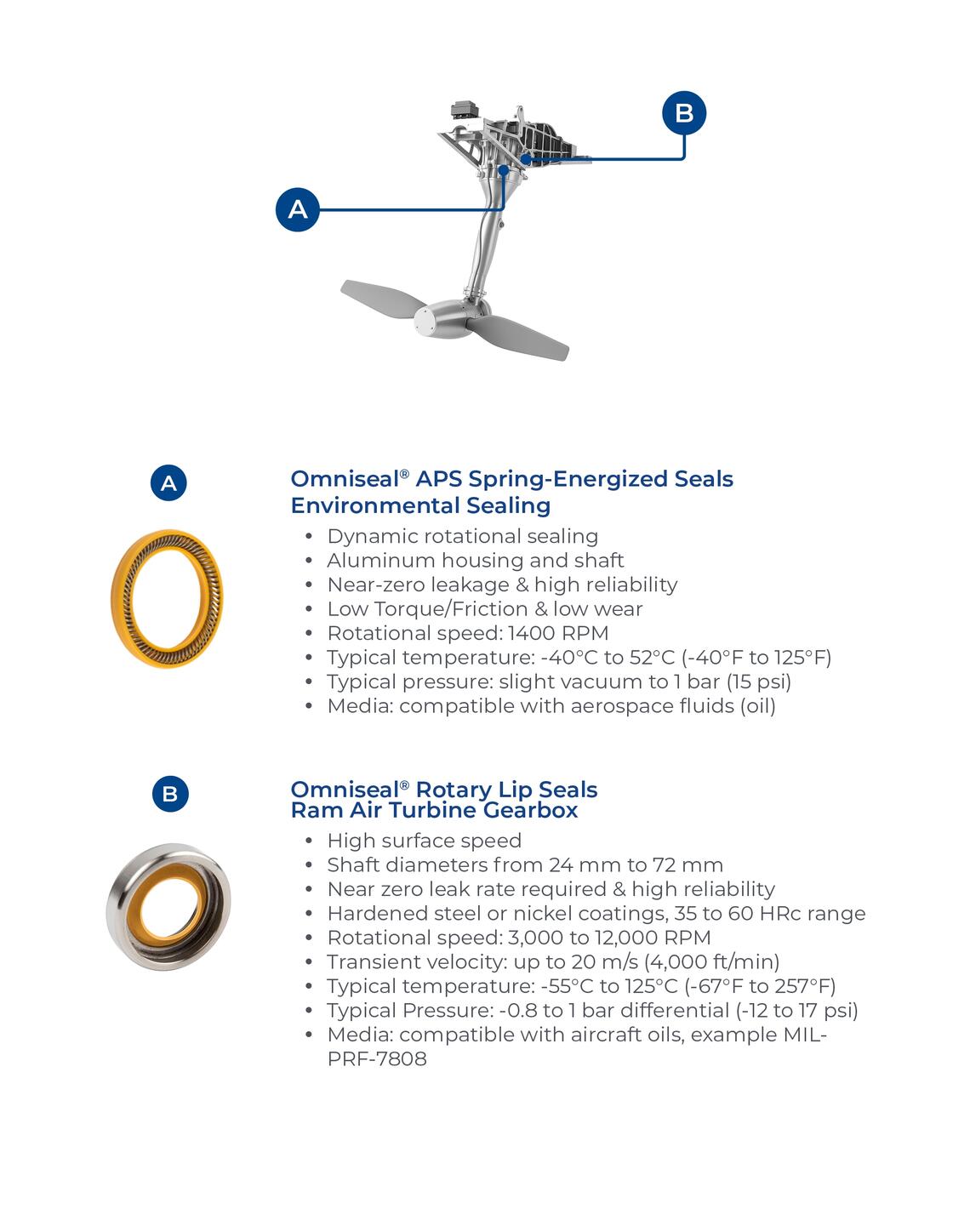
Ensure reliability of emergency power deployment by protecting structural integrity: reducing friction, withstanding extreme temperatures, and resisting chemical degradation.
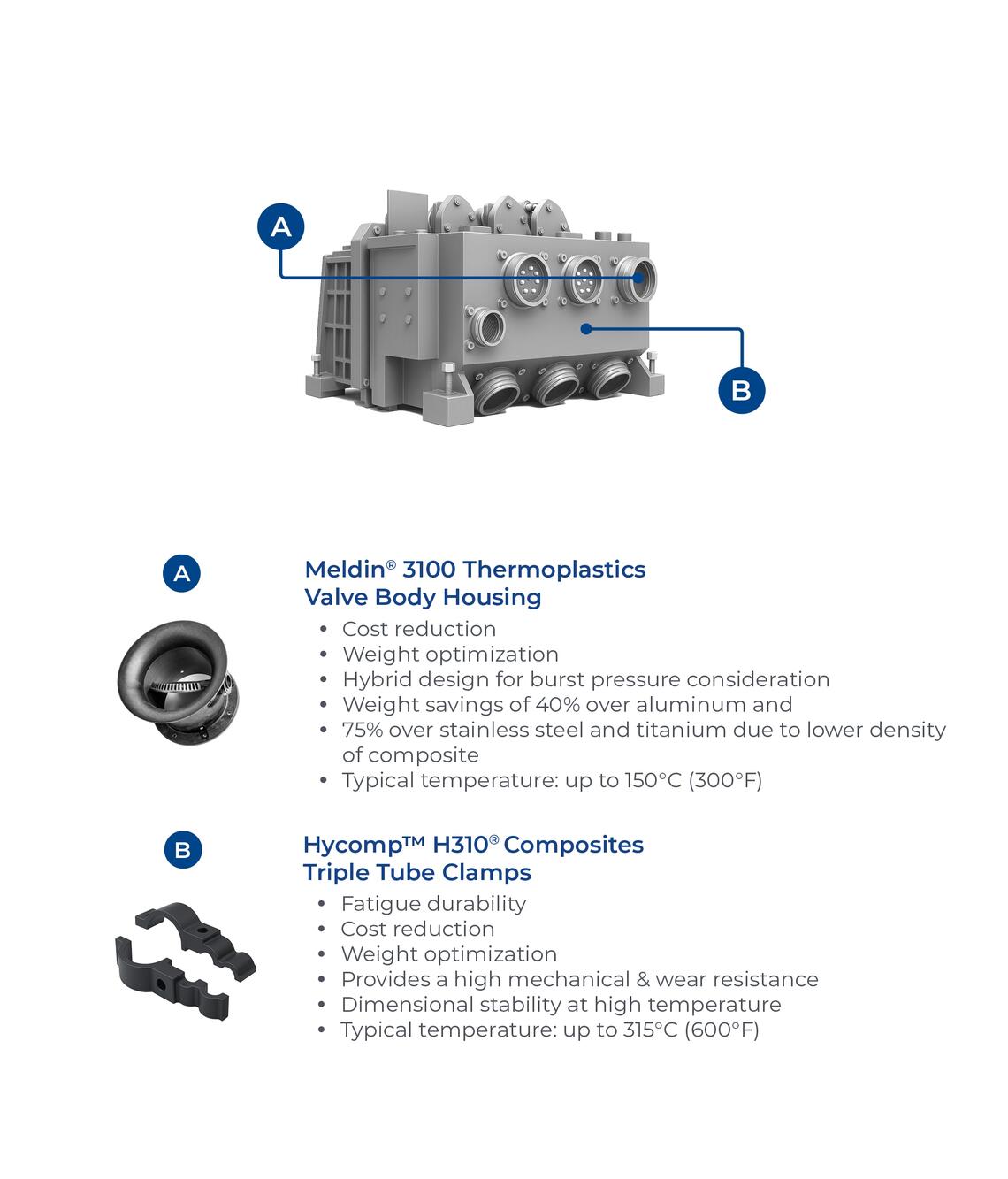
Provide superior dielectric strength for insulation, withstanding extreme temperatures. Enable faster production rates, design flexibility and assembly, with 20-50% weight reduction.
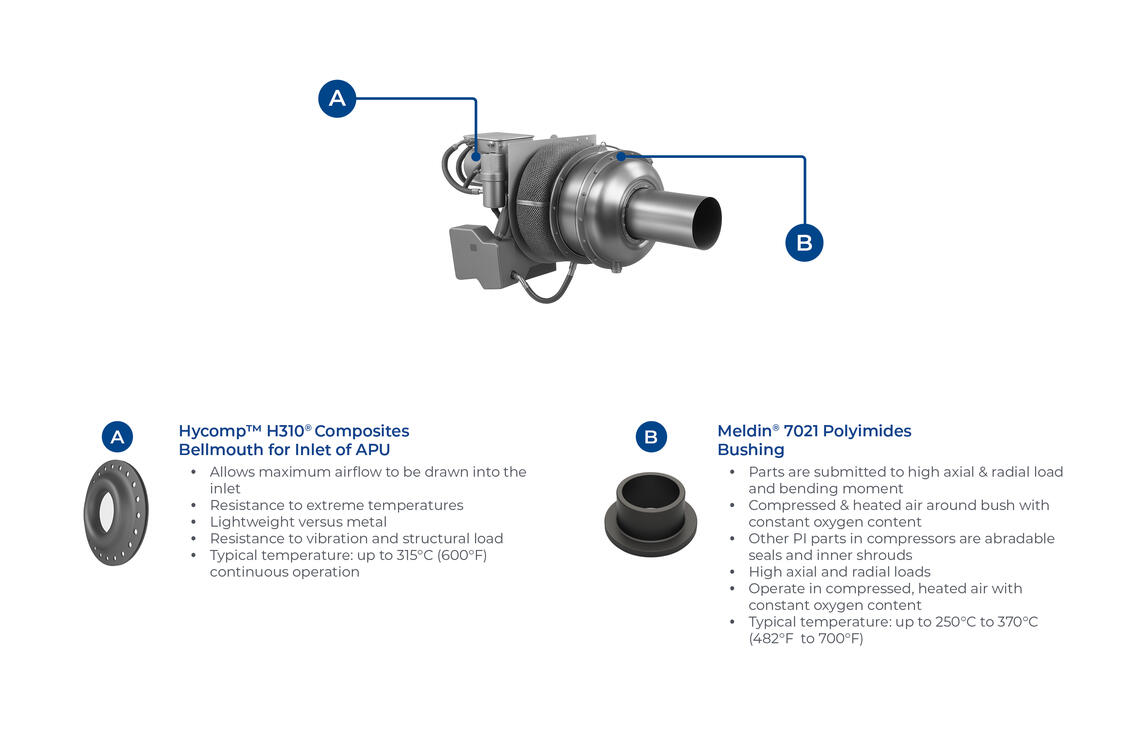
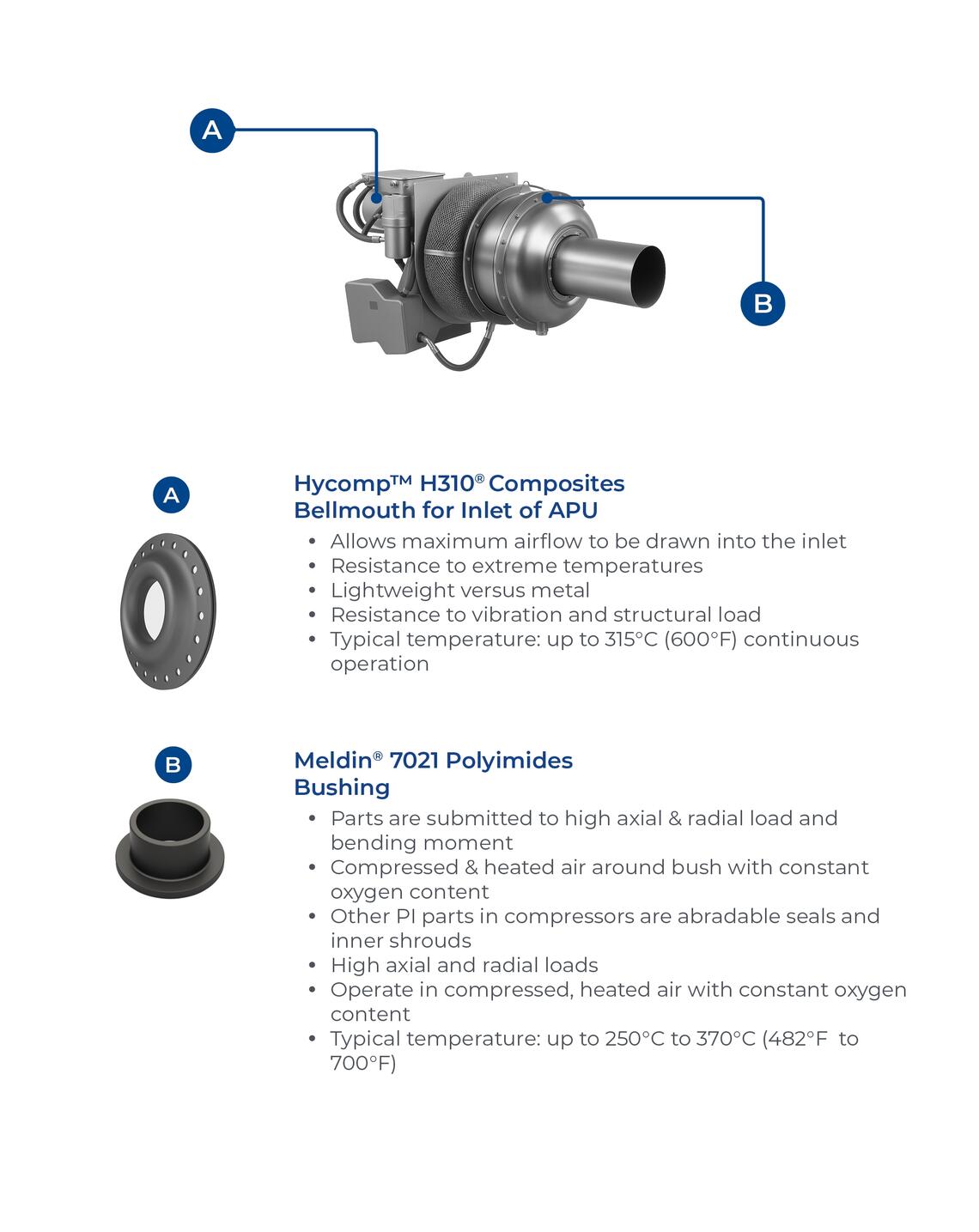
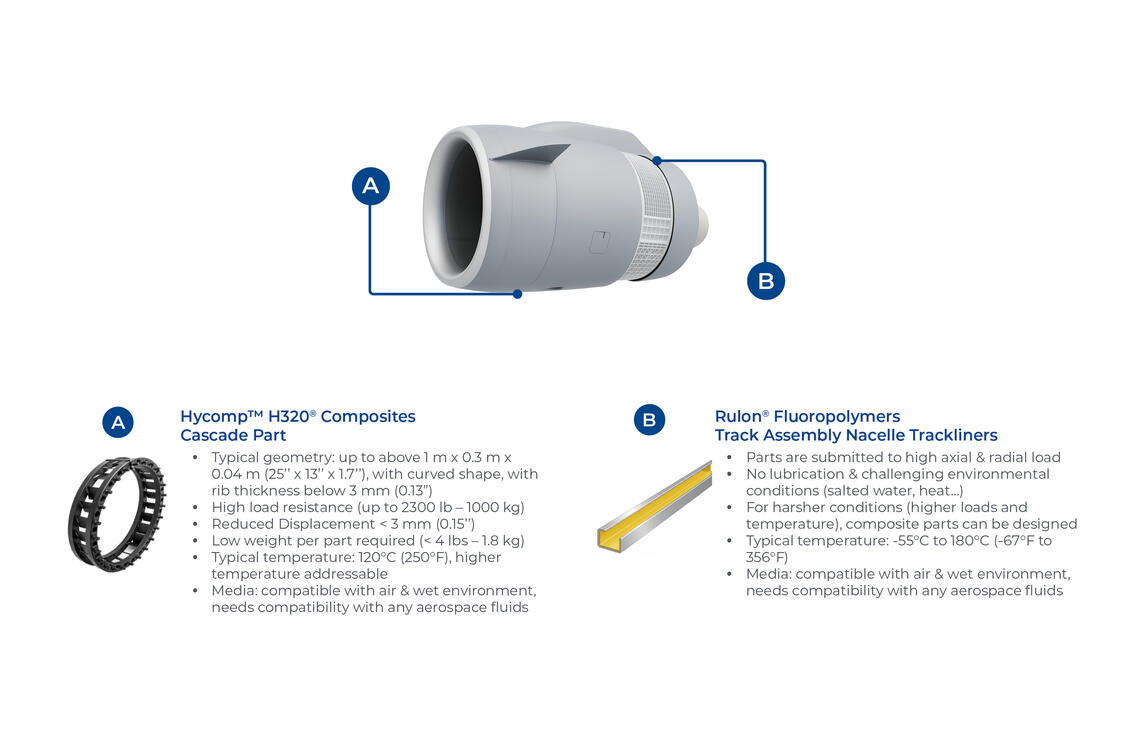
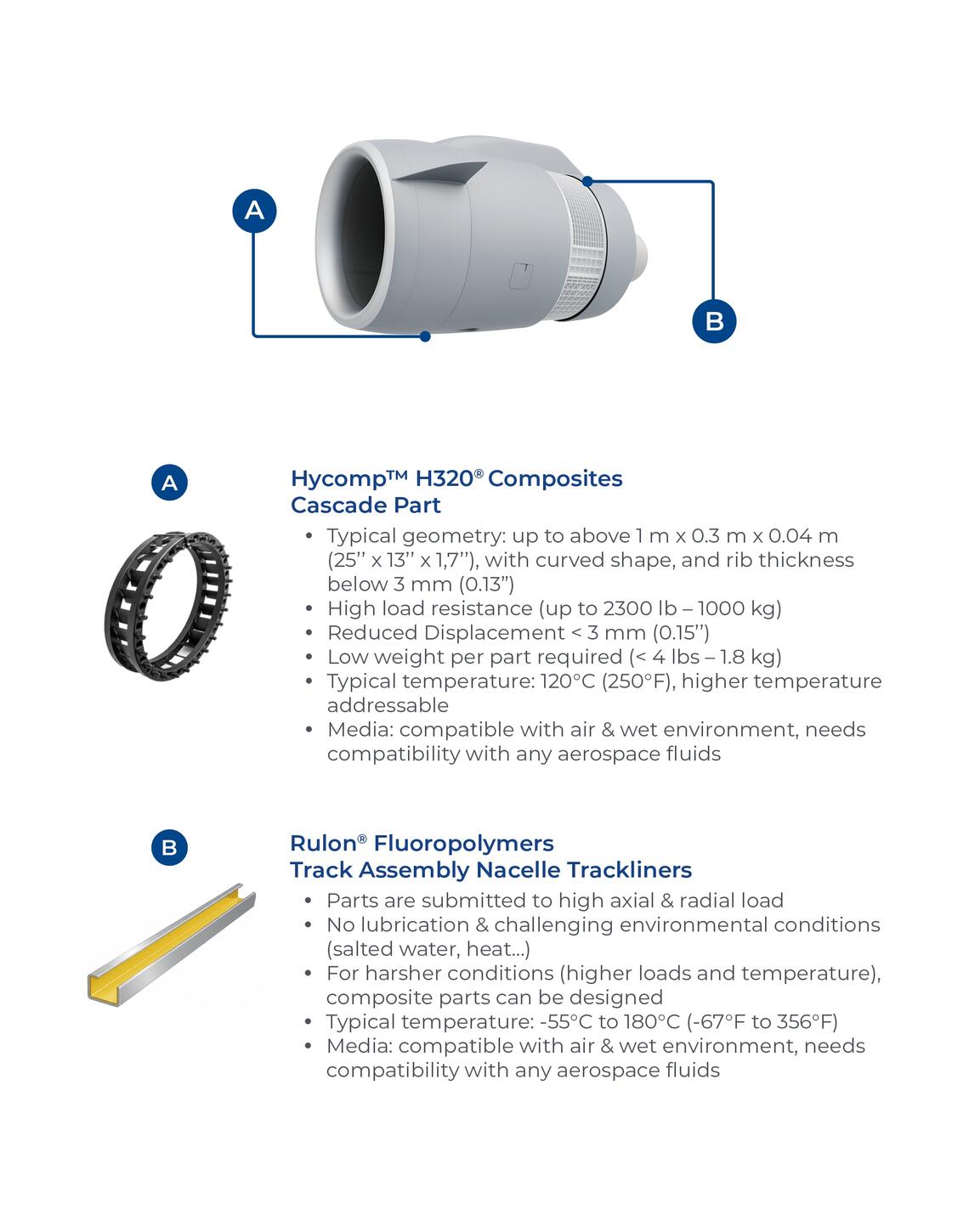
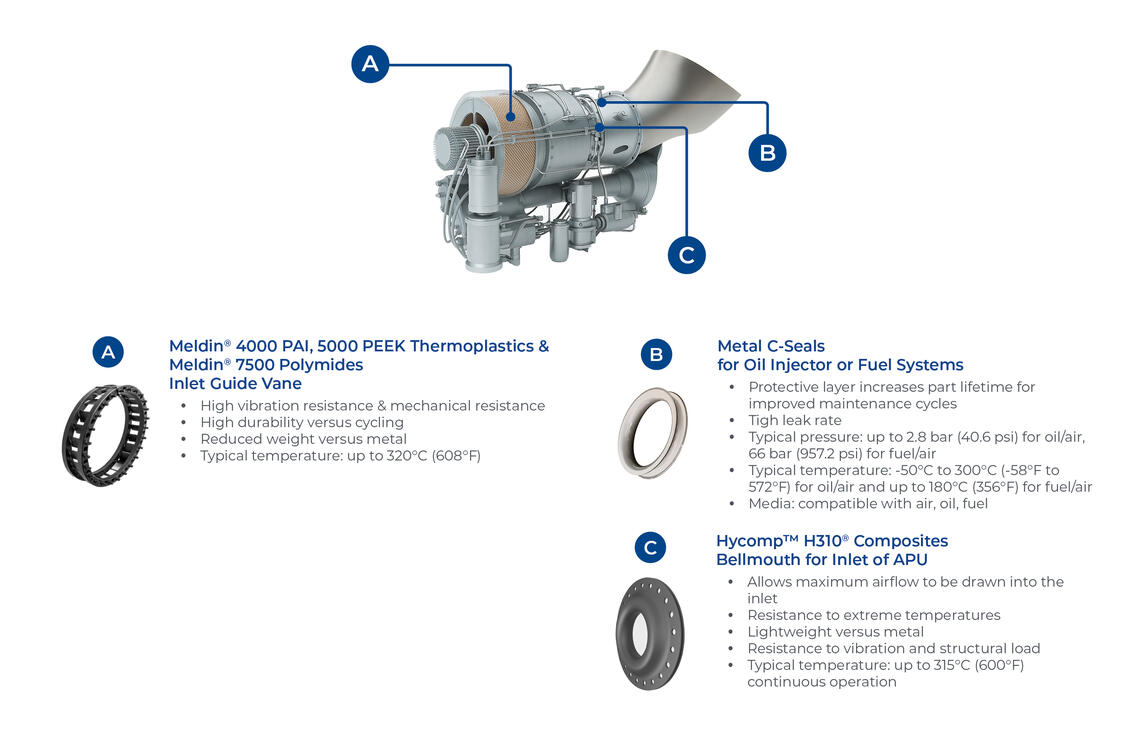
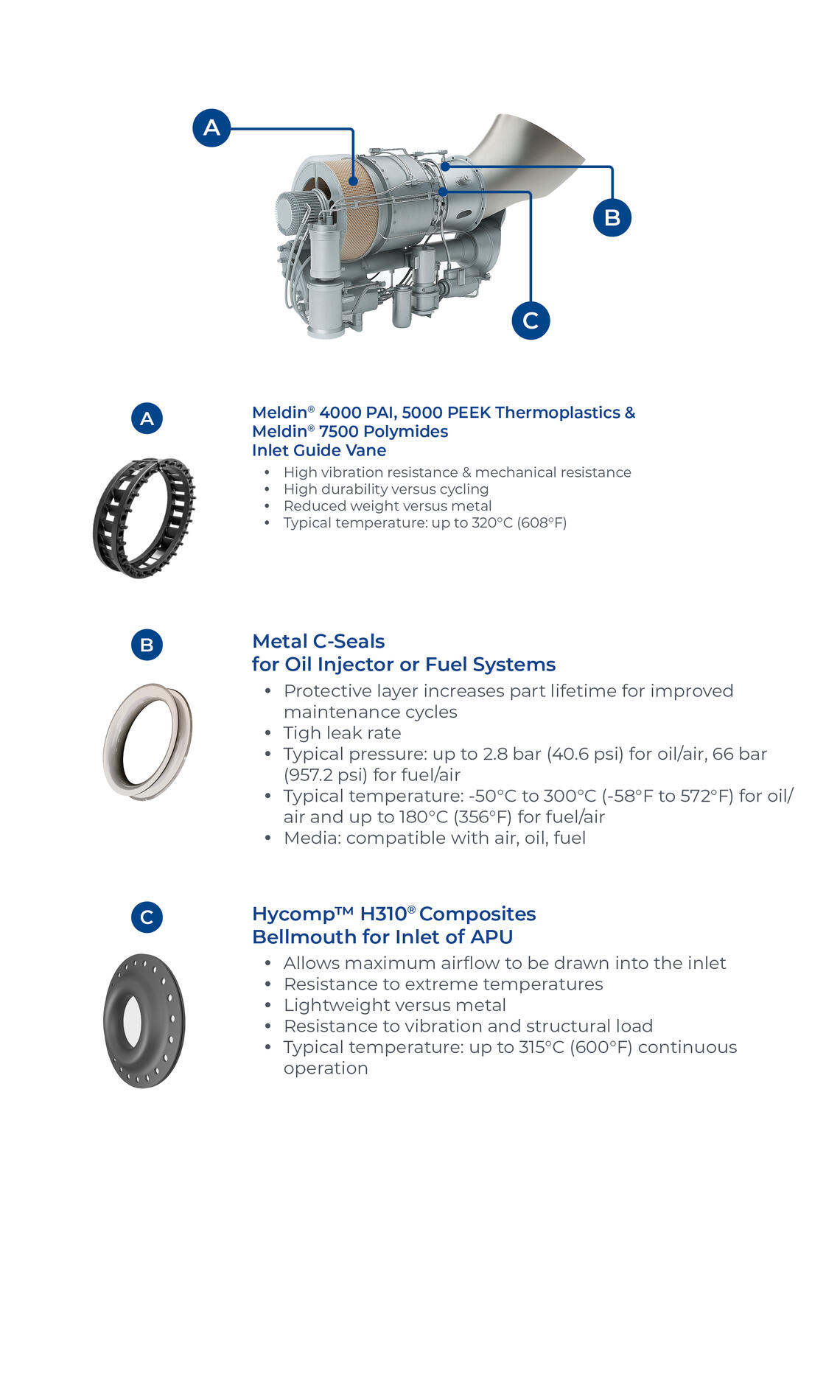
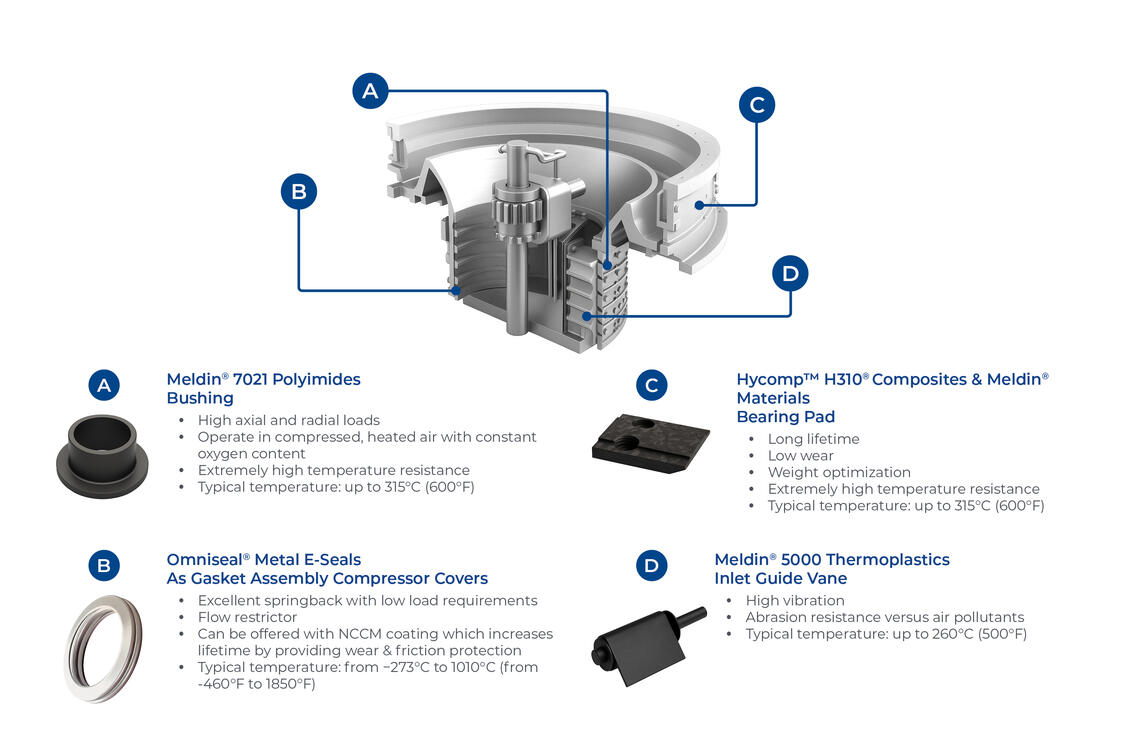
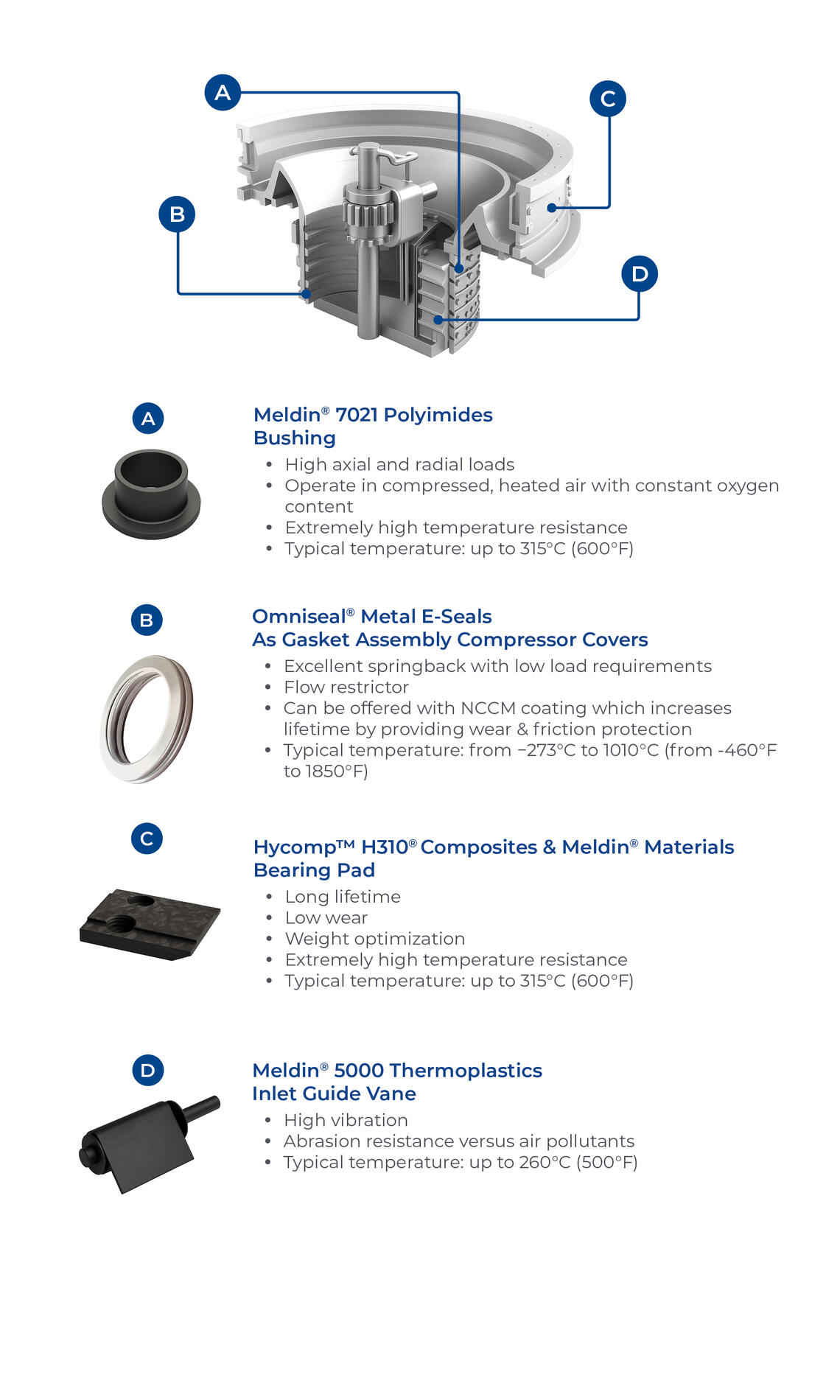
Improve compressive strength and abrasion resistance in air inlet and compressors. Maintain dimensional stability under high temperatures and continuous load and vibration.
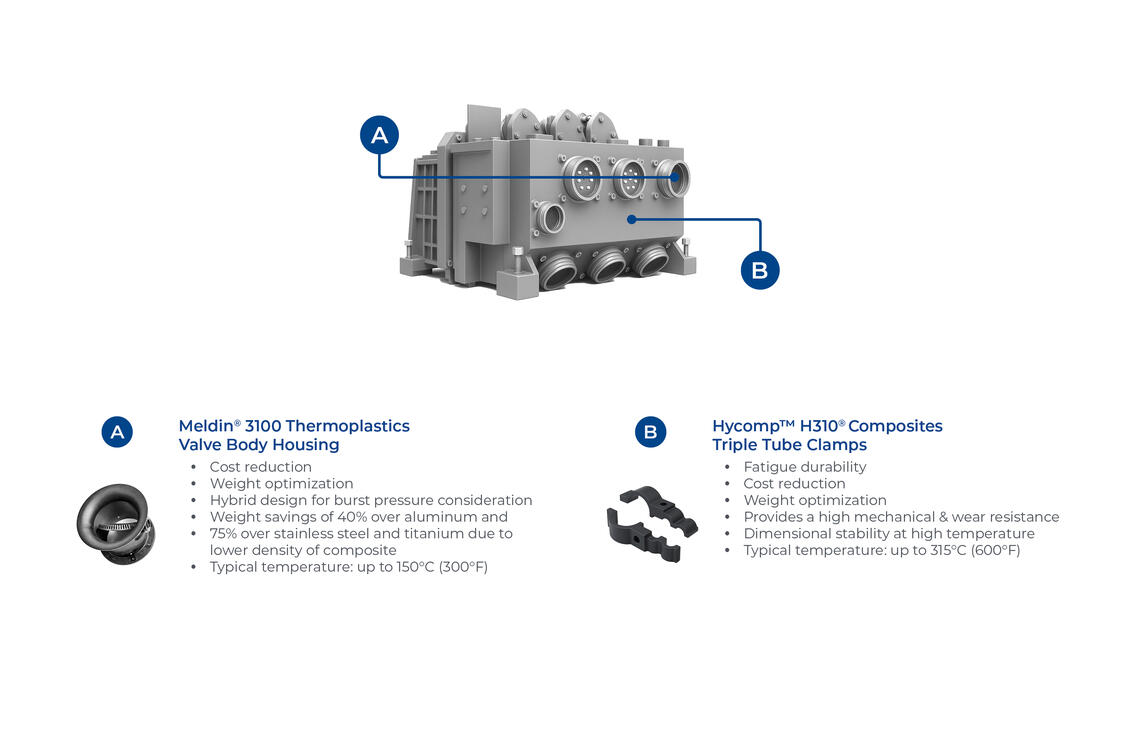
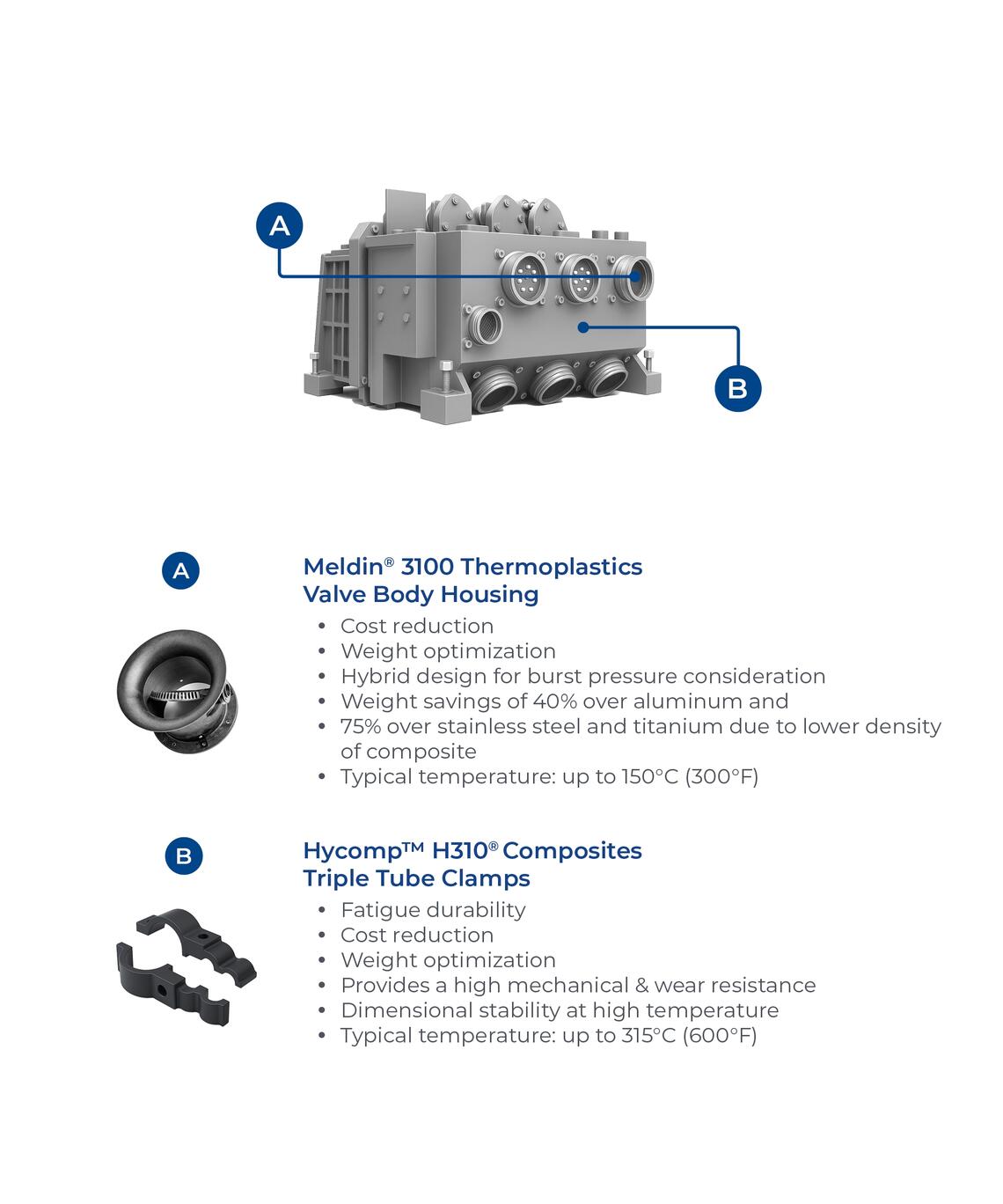
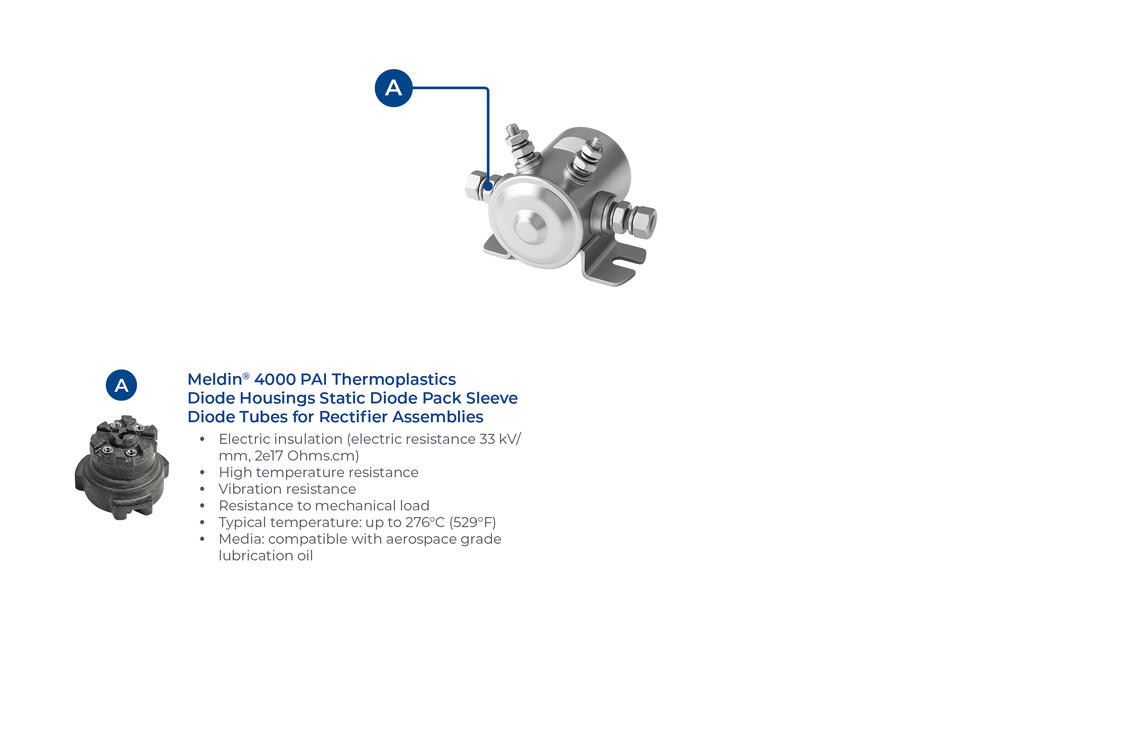
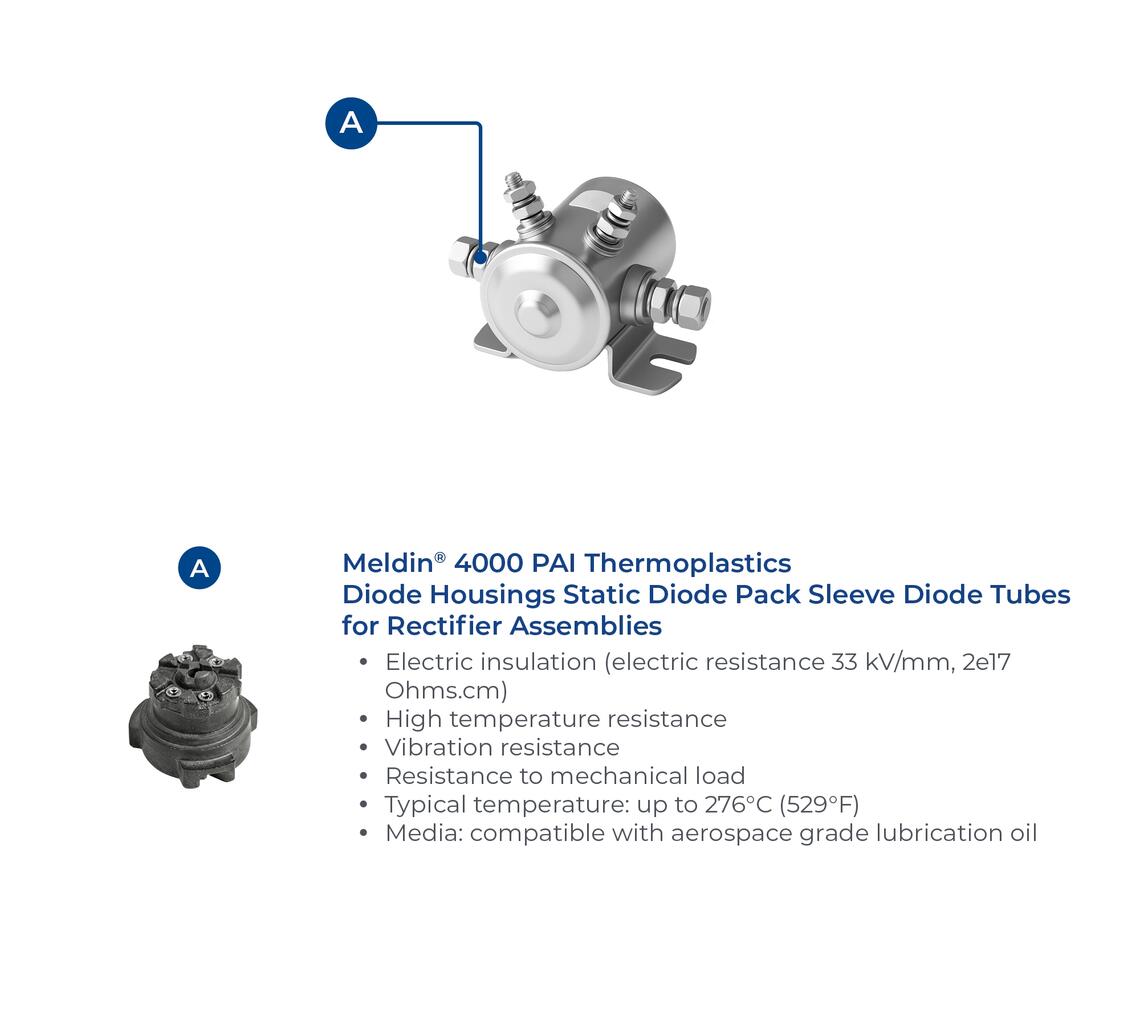
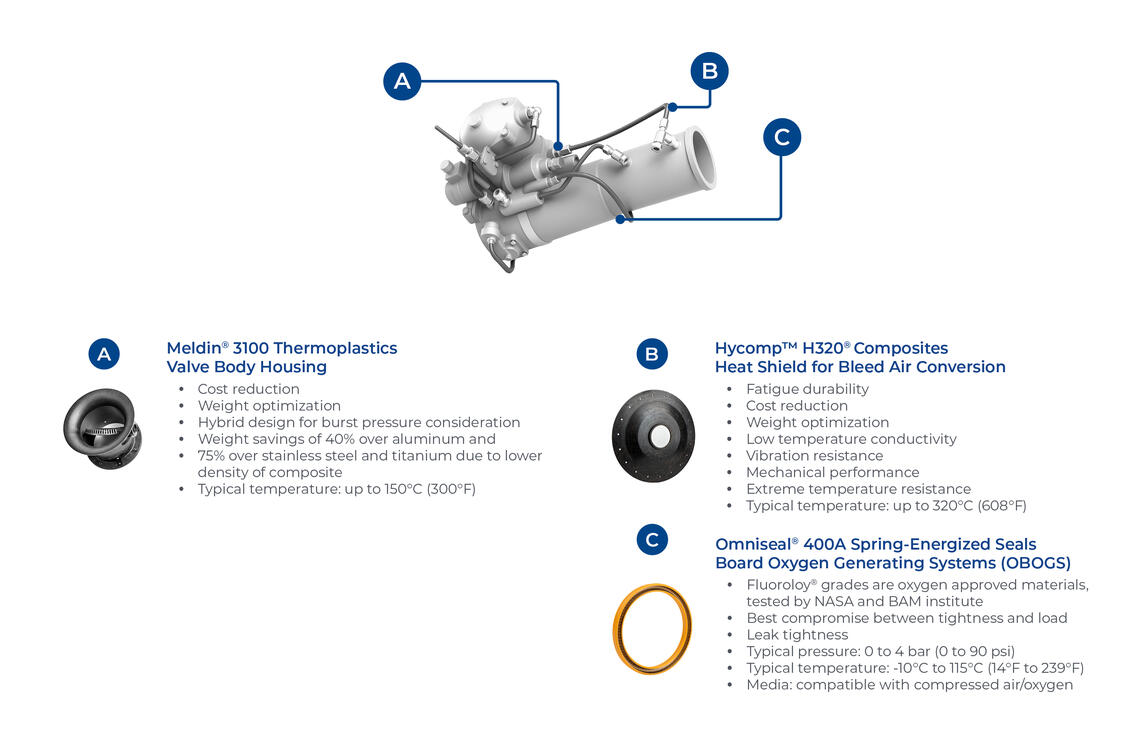
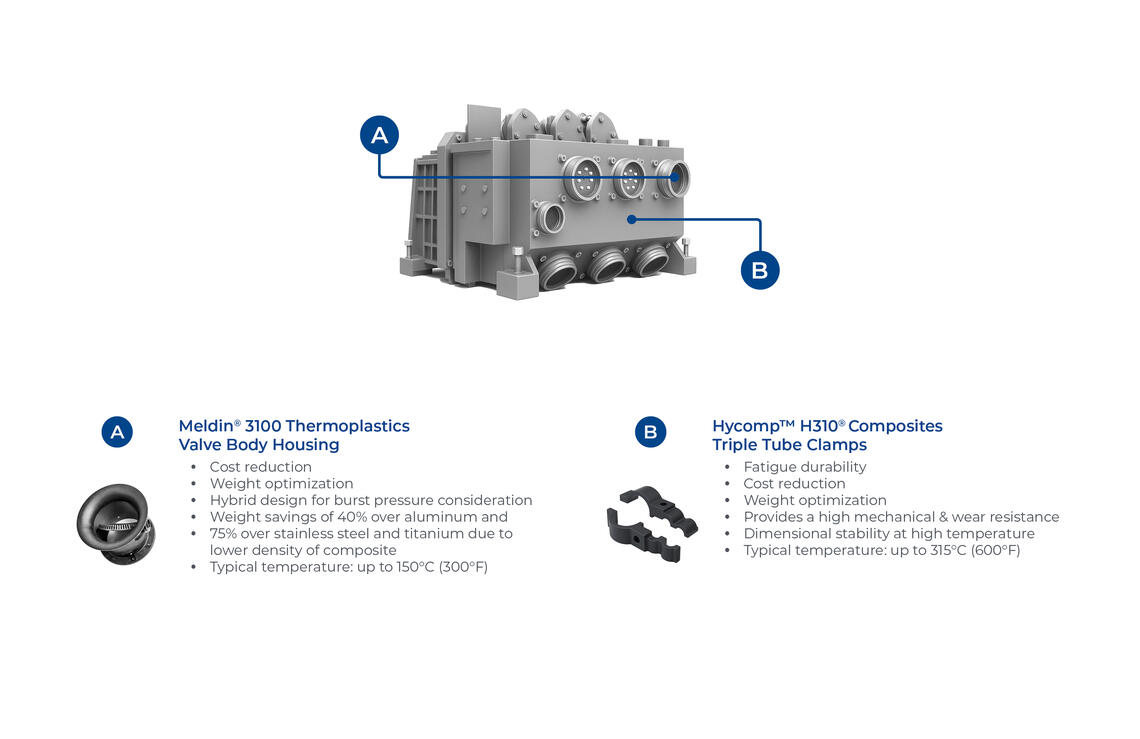
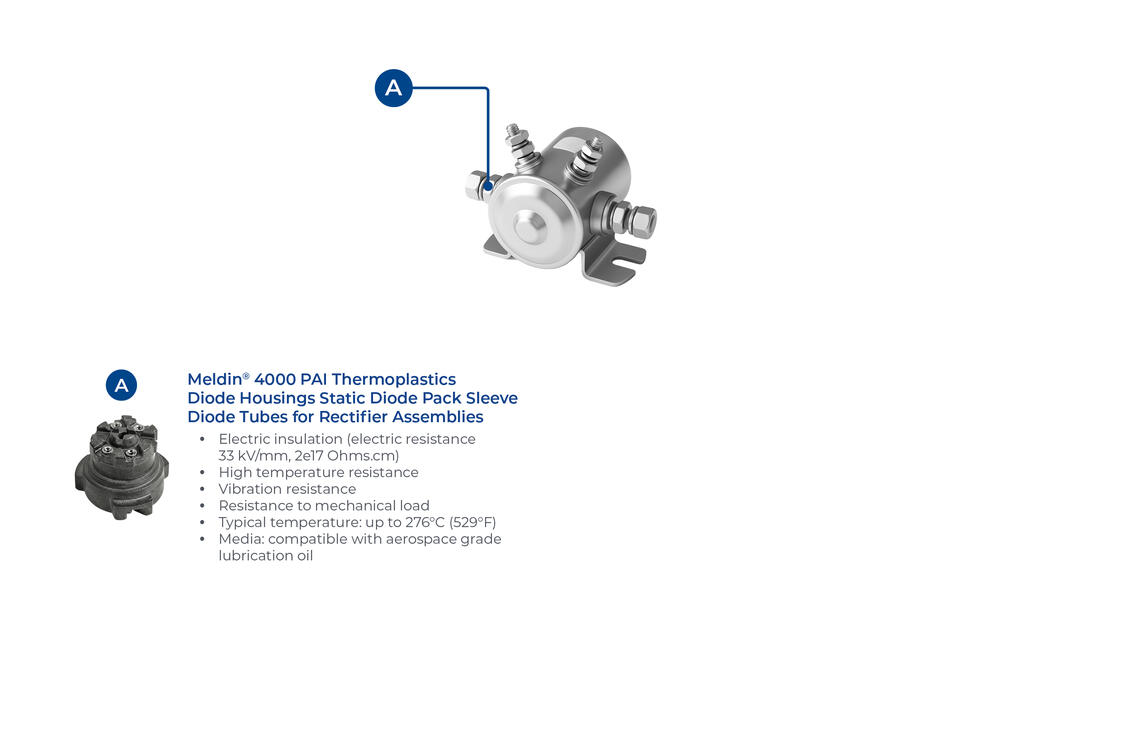
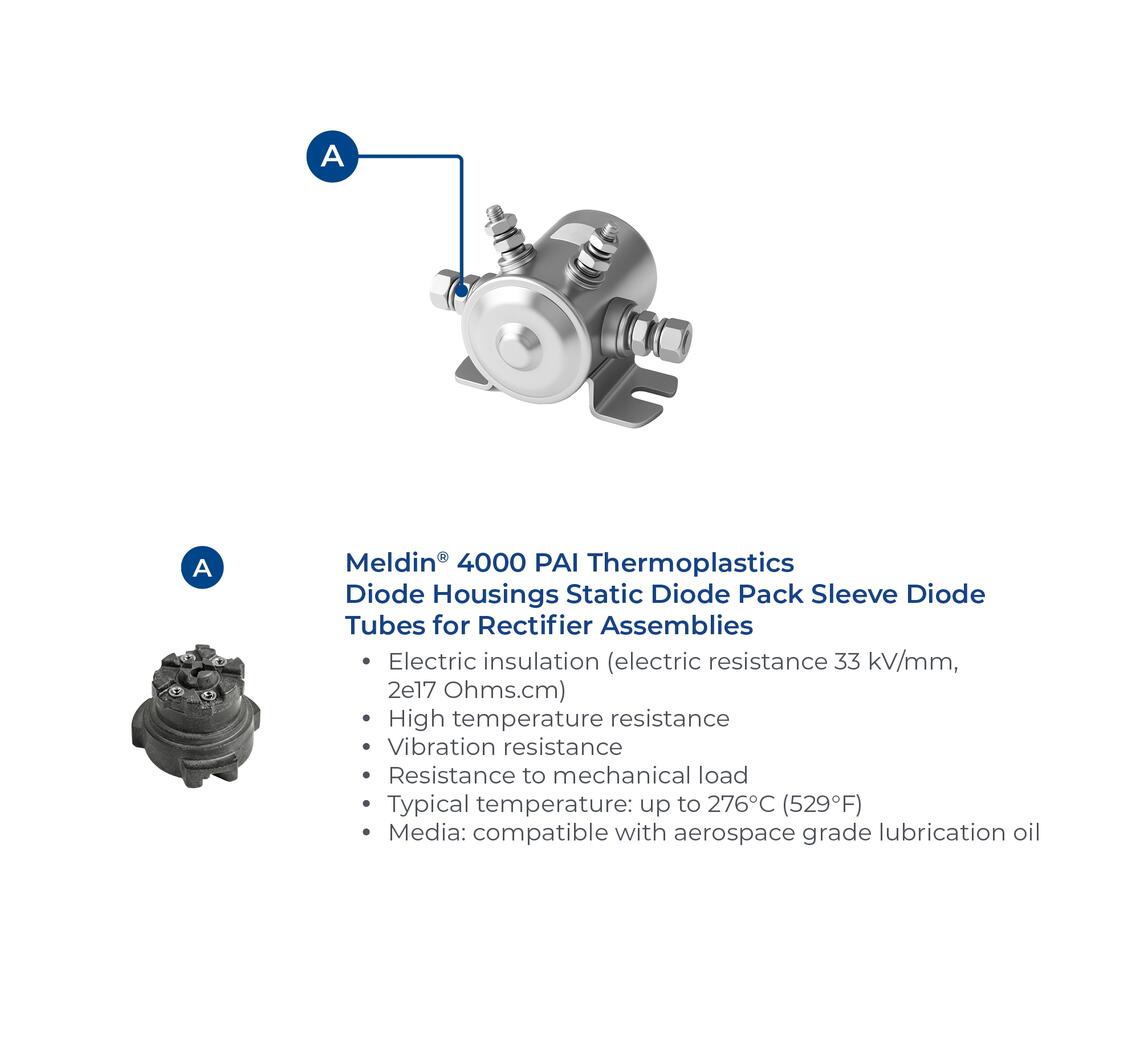
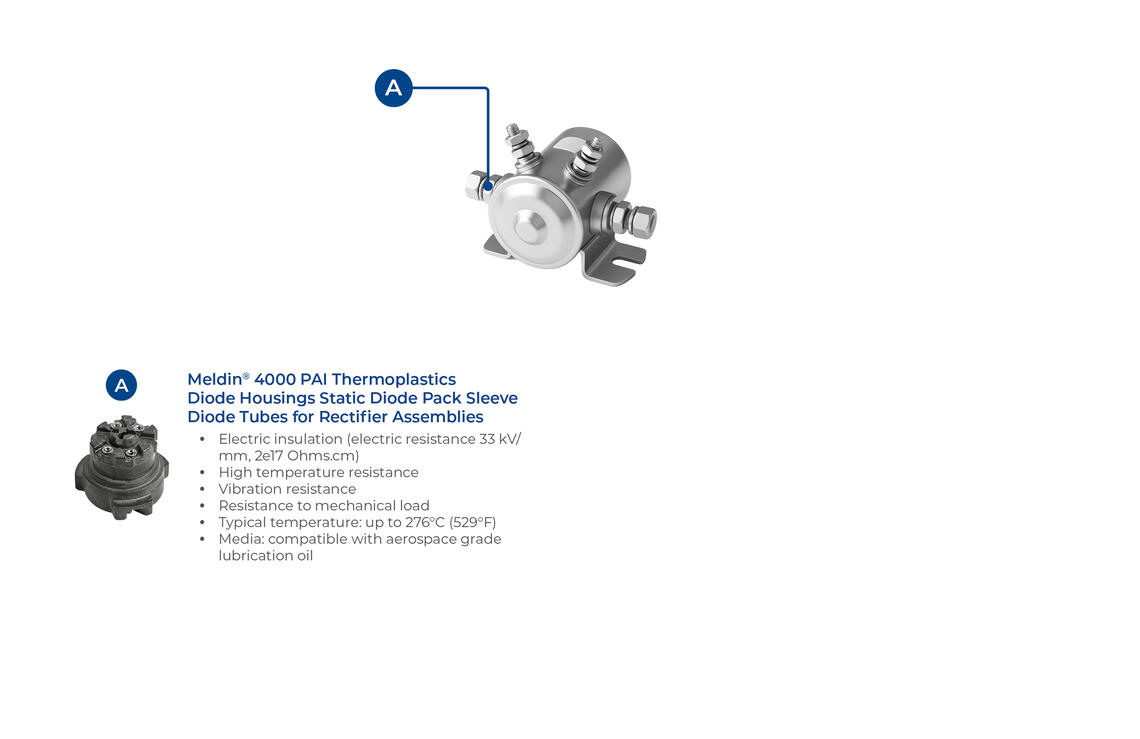
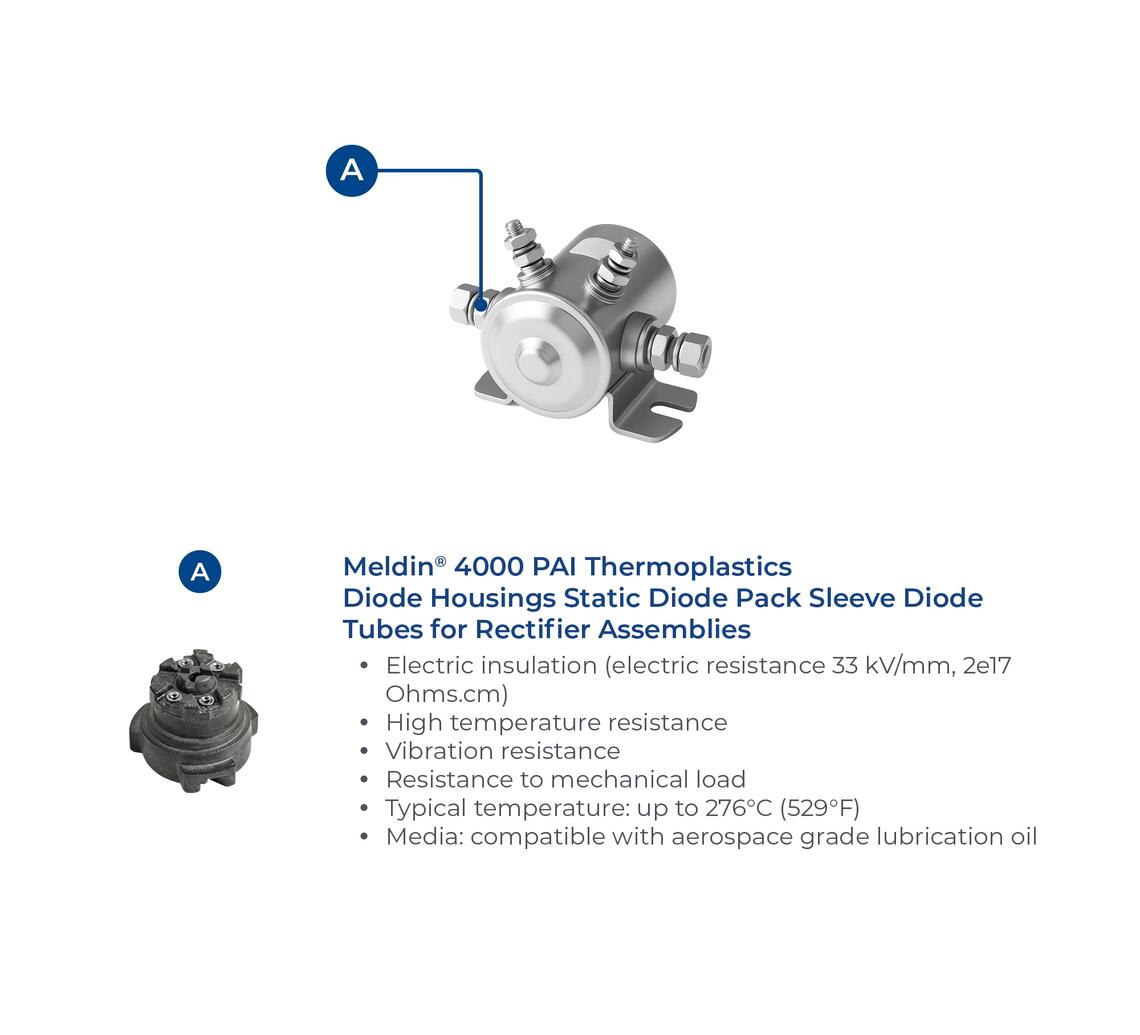
Safeguard electric components for rectification with thermoplastic housings and tubes: high strength-to-weight ratio and resistance to fuels and hydraulic oils.
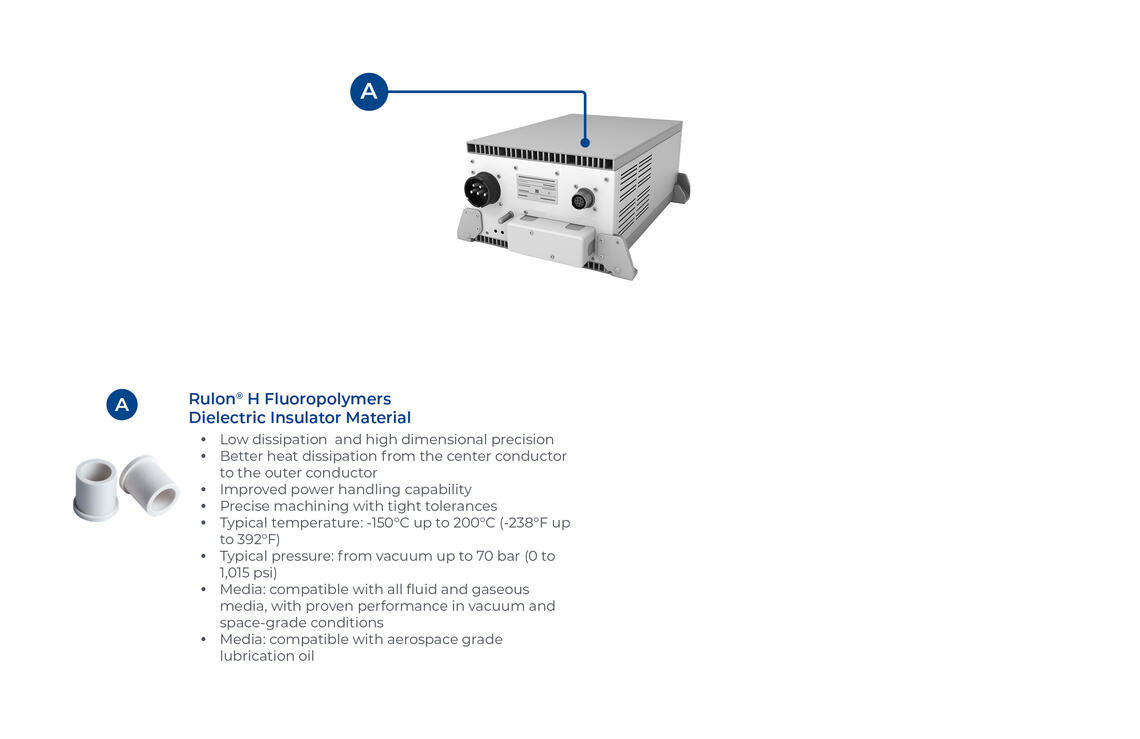
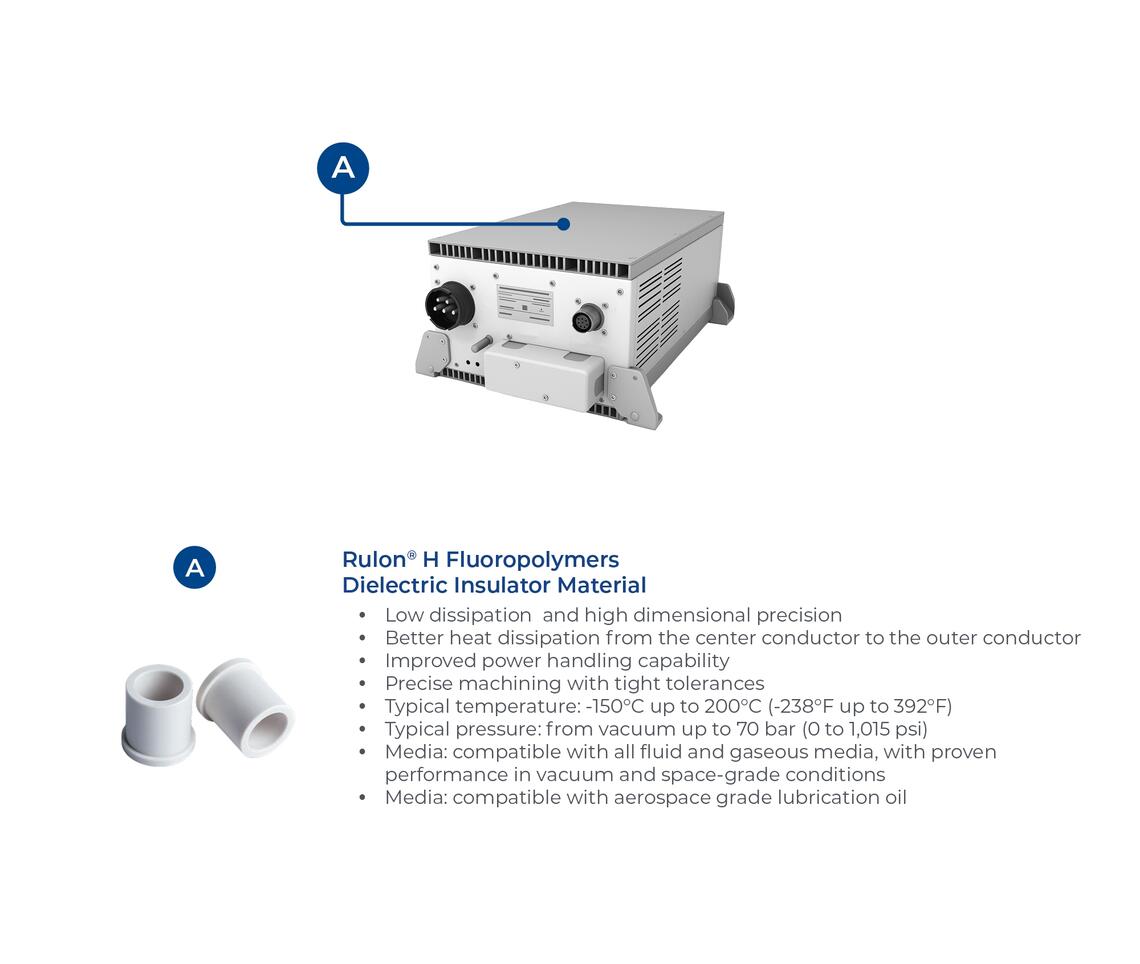
Prevent electrical failure and voltage breakdown with polymer insulator material: exceptional dielectric strength, thermal stability, corrosion resistance, and high-impact durability.
Ensure cabin pressurization, temperature control, and thermal stability with custom geometries and lighter-weight assemblies. Prevent leakage of hydraulic fluids, air, or gases.
Handle high temperature and harsh chemicals, solvents, and moisture. Reduce risk of electrical short circuits in demanding, high-vibration, or vacuum environments.
Ensure effective sealing for static and dynamic (rotary/reciprocating) applications. Prevent high-pressure and abrasive contamination and handle misalignment and material wear.
Maintain sealing efficiency across wide temperature ranges. Shield internal components from contaminant ingress and heat development while maintaining low friction.
Handle wide temperature swings (deep cold to high heat). Resist chemicals in various fuels, including Sustainable Aviation Fuels (SAF). Reduce friction and wear with self-lubricating materials.
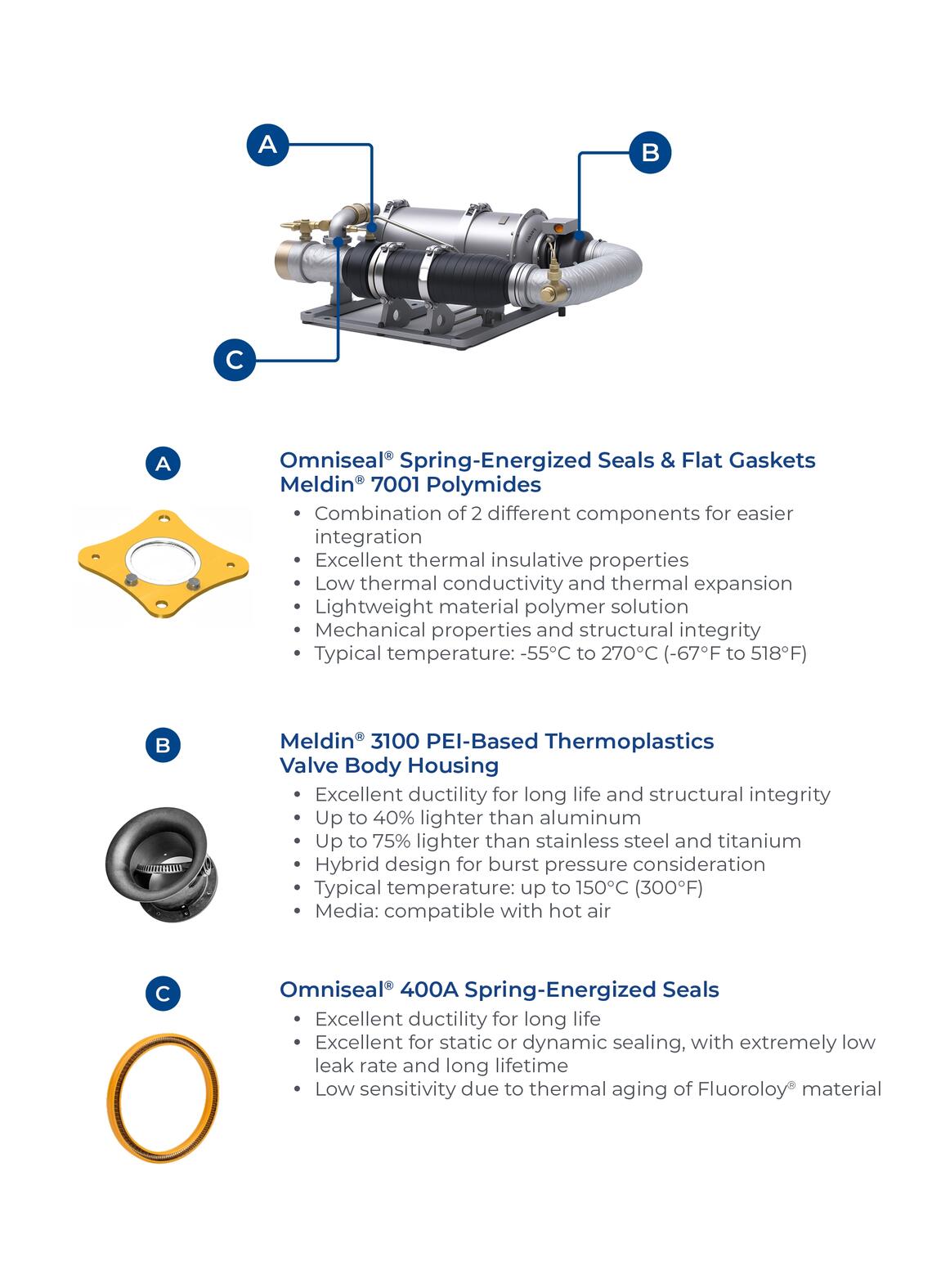
Eliminate leakage for consistent heat delivery and system reliability. Ensure hot air reaches critical areas: wing leading edges and engine inlets to stop ice formation.
Protect engine components from Foreign Object Debris (FOD), dust, lightning, oils, and hydraulic fluids. Resist fatigue and chemical attack, reducing maintenance costs.
Contribute to weight reduction, vibration resistance, and fatigue durability. Reduce wear and friction for smoother operation and aerodynamic performance.
Protect against high-grade corrosion, contamination and water ingress in chemical processes. Handle high pressure and reduce wear for reliable flow control and energy consumption.
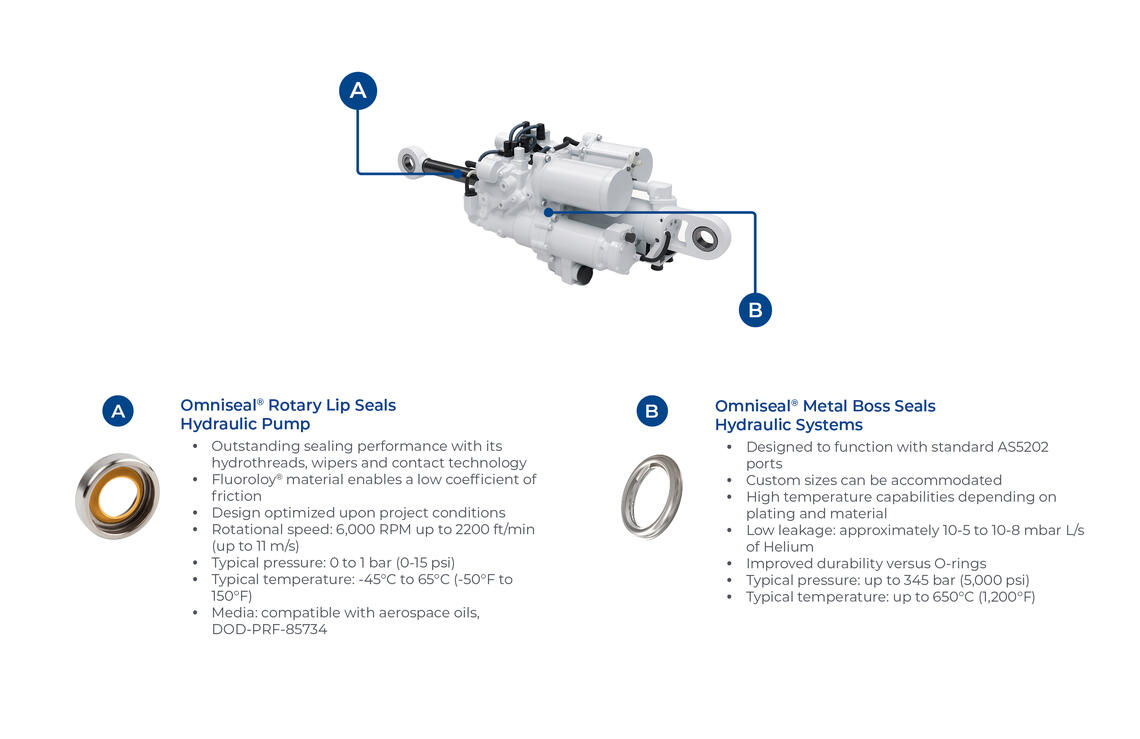
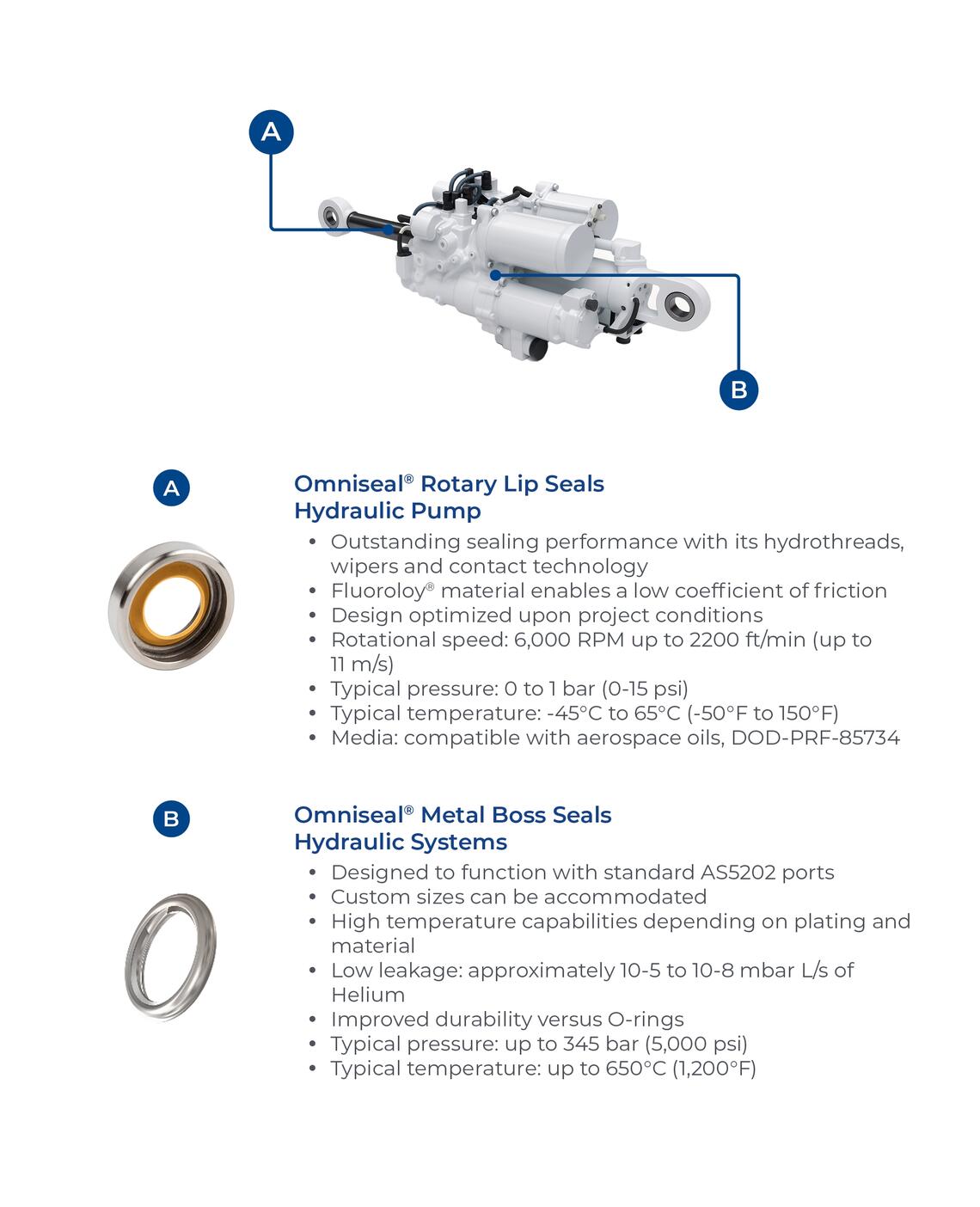
Maintain precise and controlled system pressure to support smooth operation. Control leakage to extend life of hydraulic pumps across low and high pressure environments.
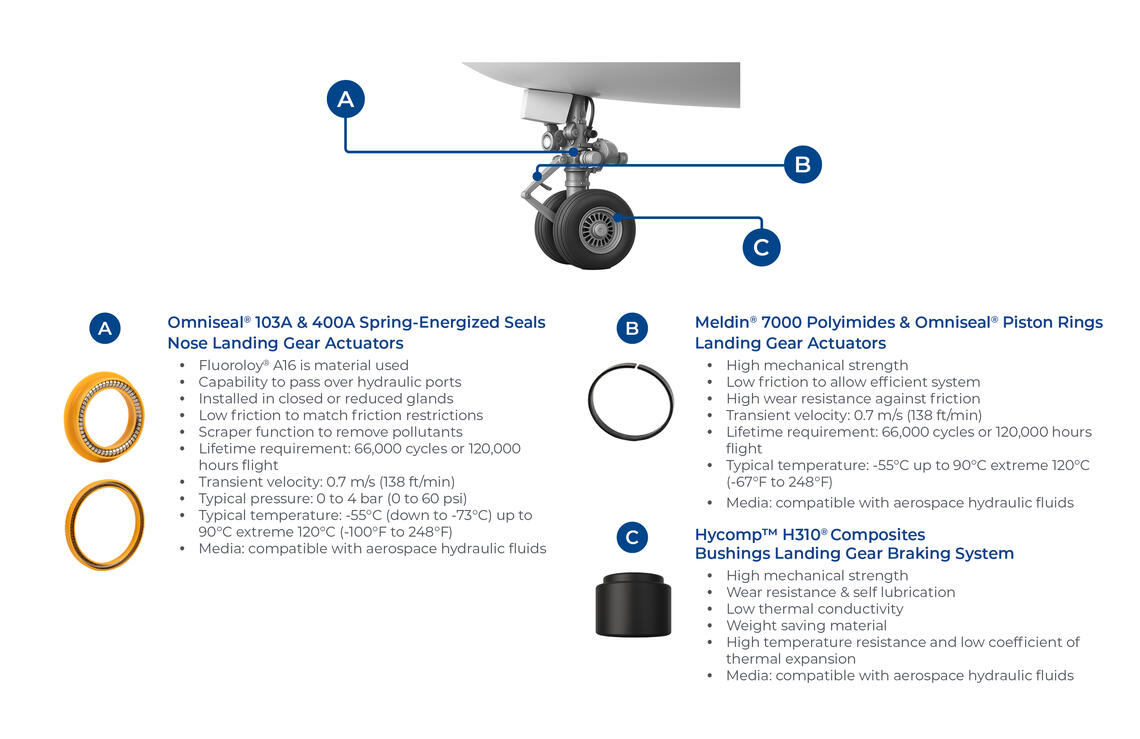
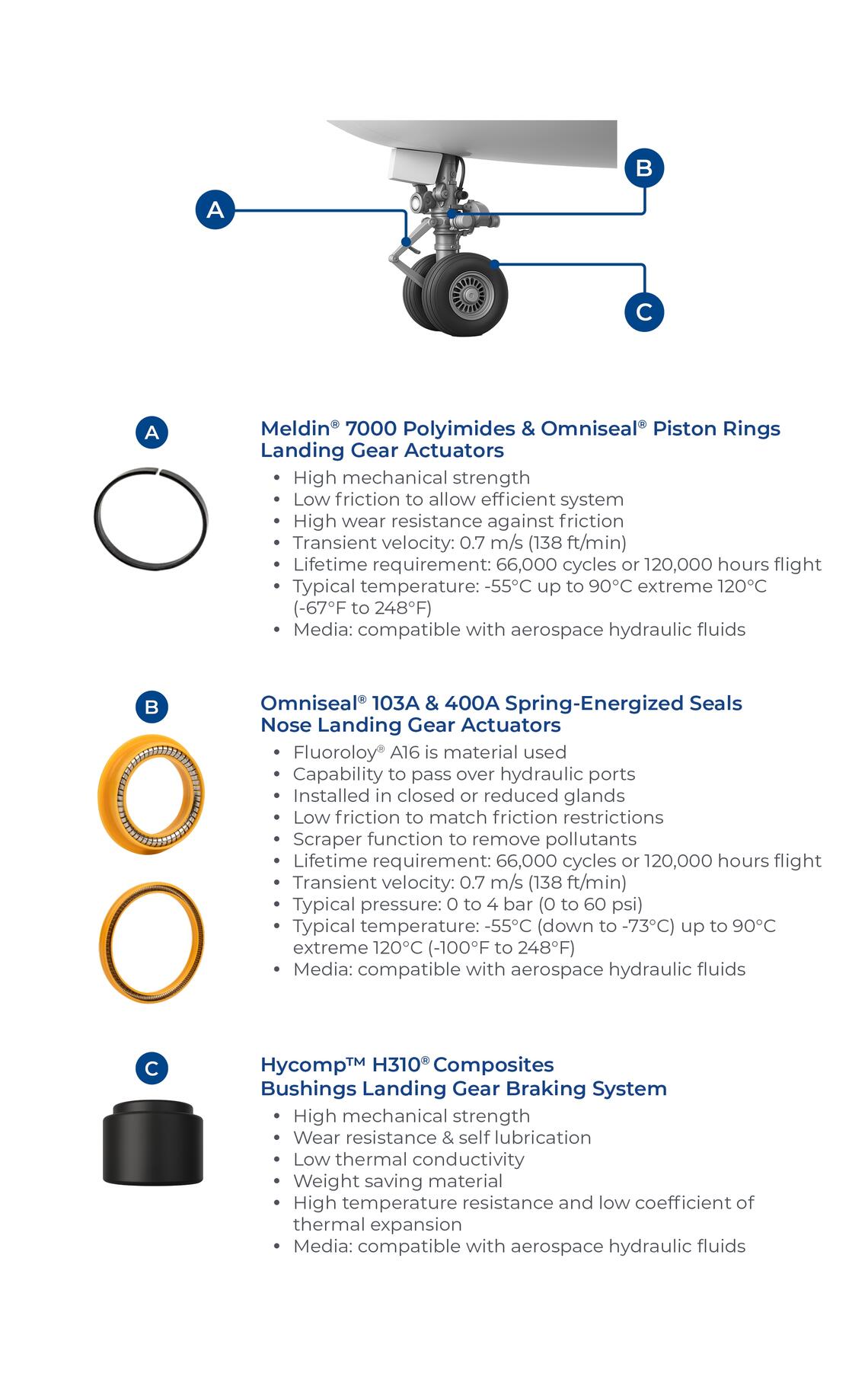
Prevent fluid leaks, contamination and structural failure. Ensure proper deployment of landing gear system in extreme pressure and stress.
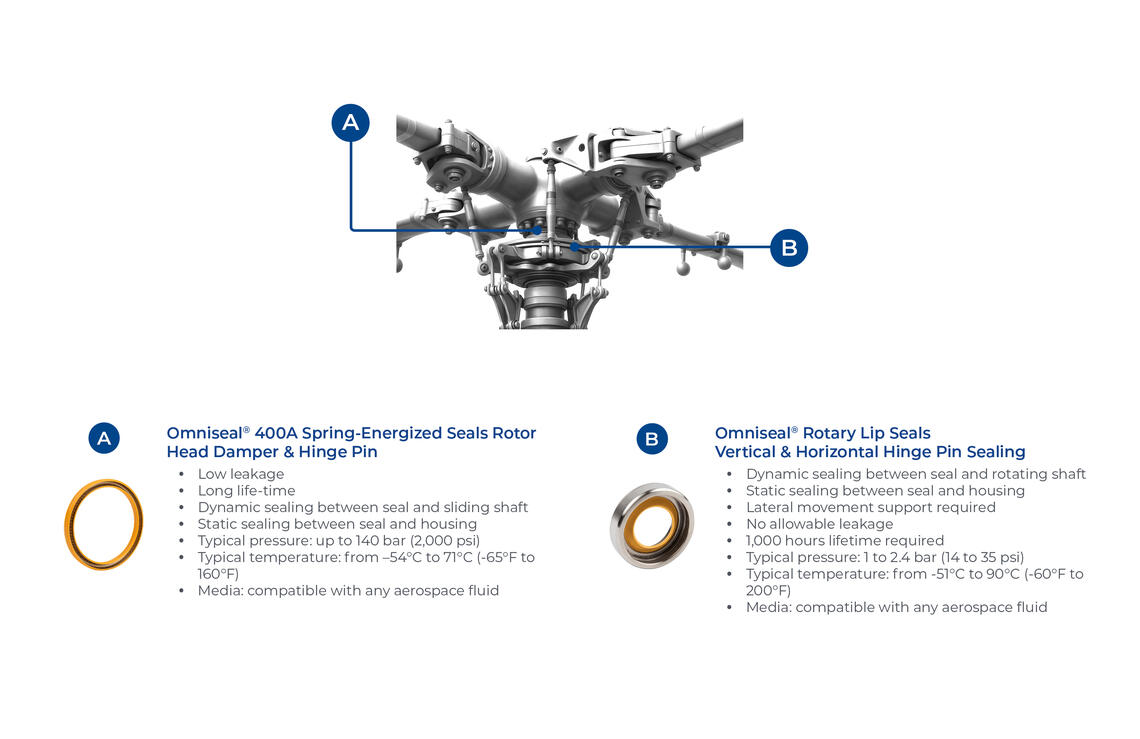
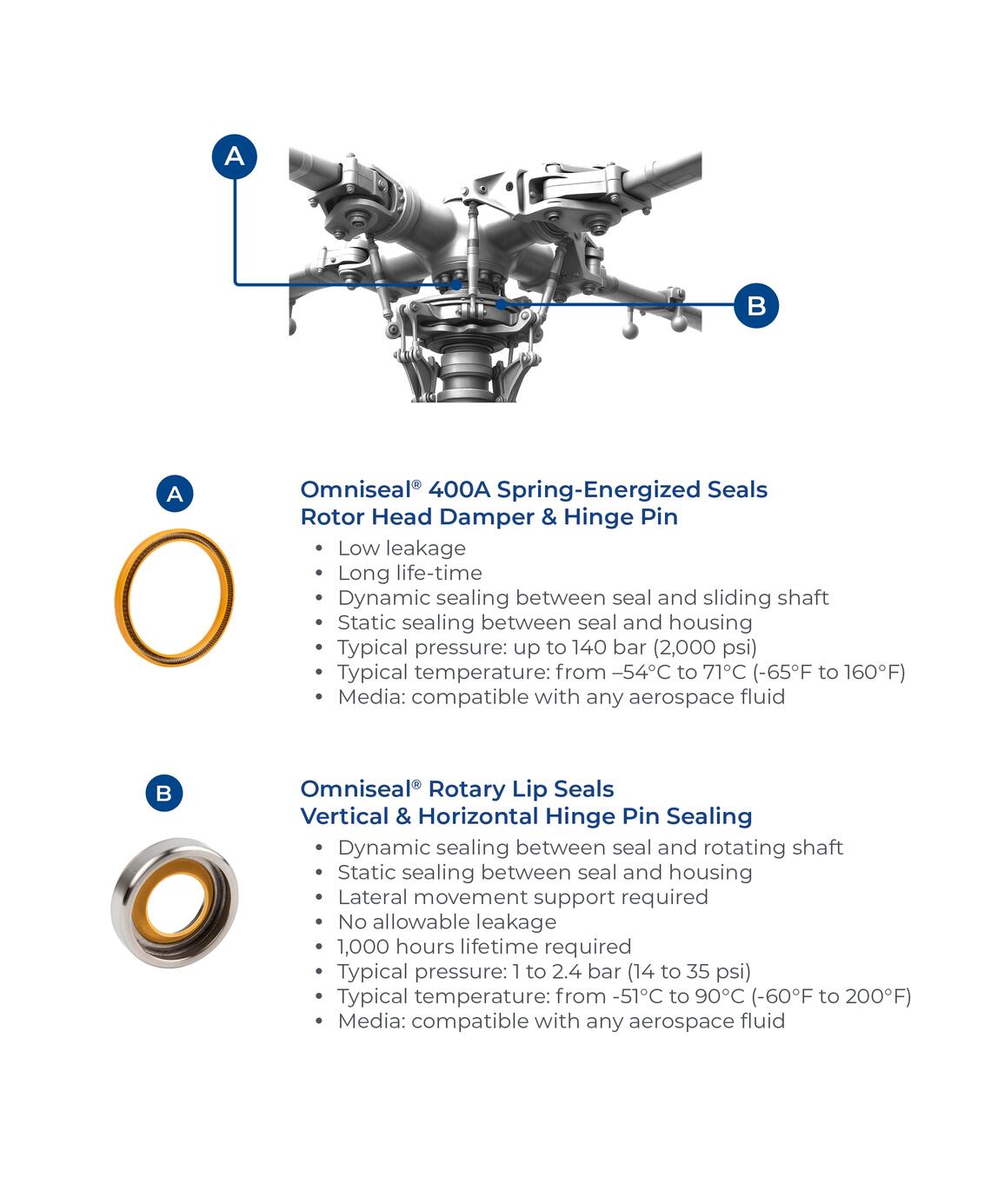
Ensure low leakage for extended performance, reducing replacements. Handle extreme conditions: high temperatures, speeds, and pressures, within dynamic rotor systems.
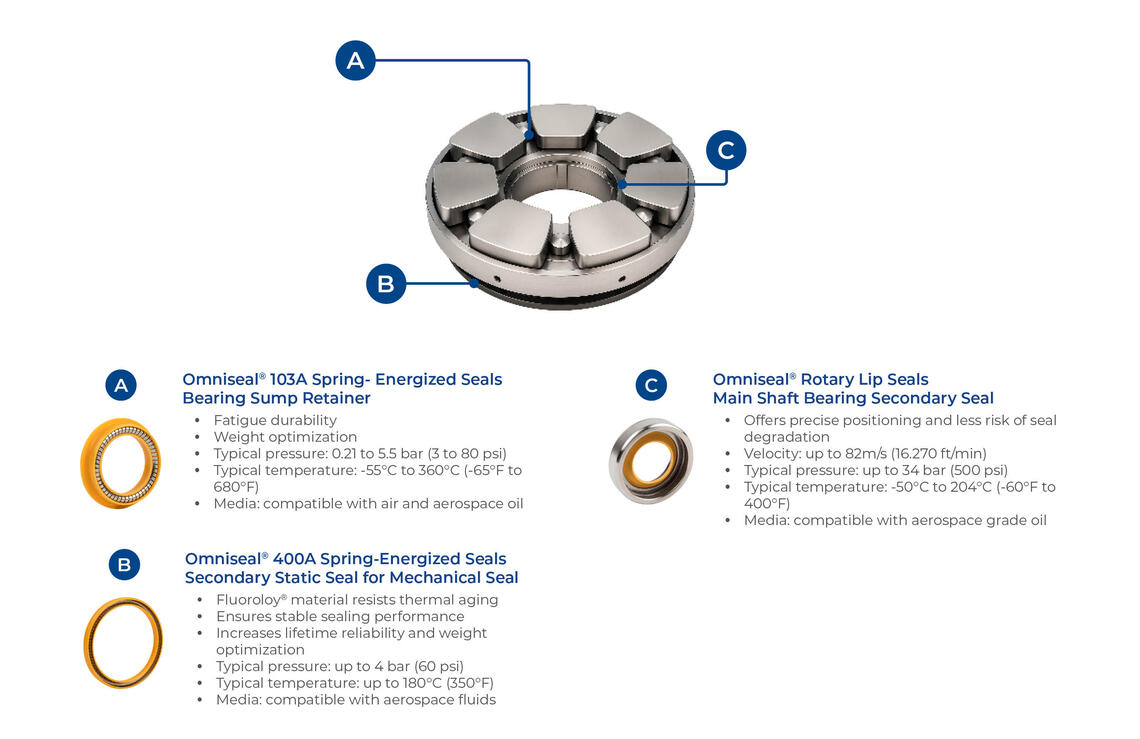
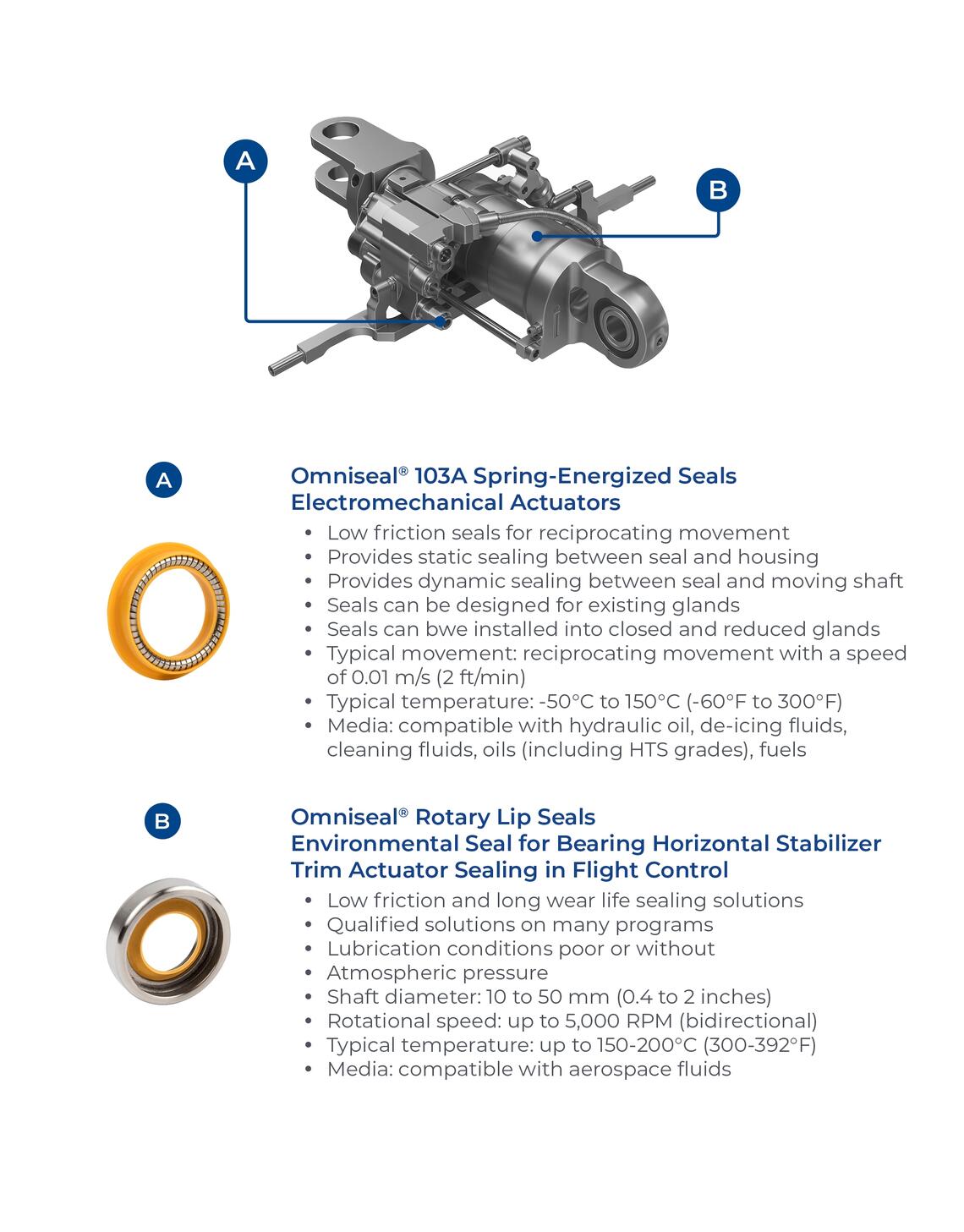
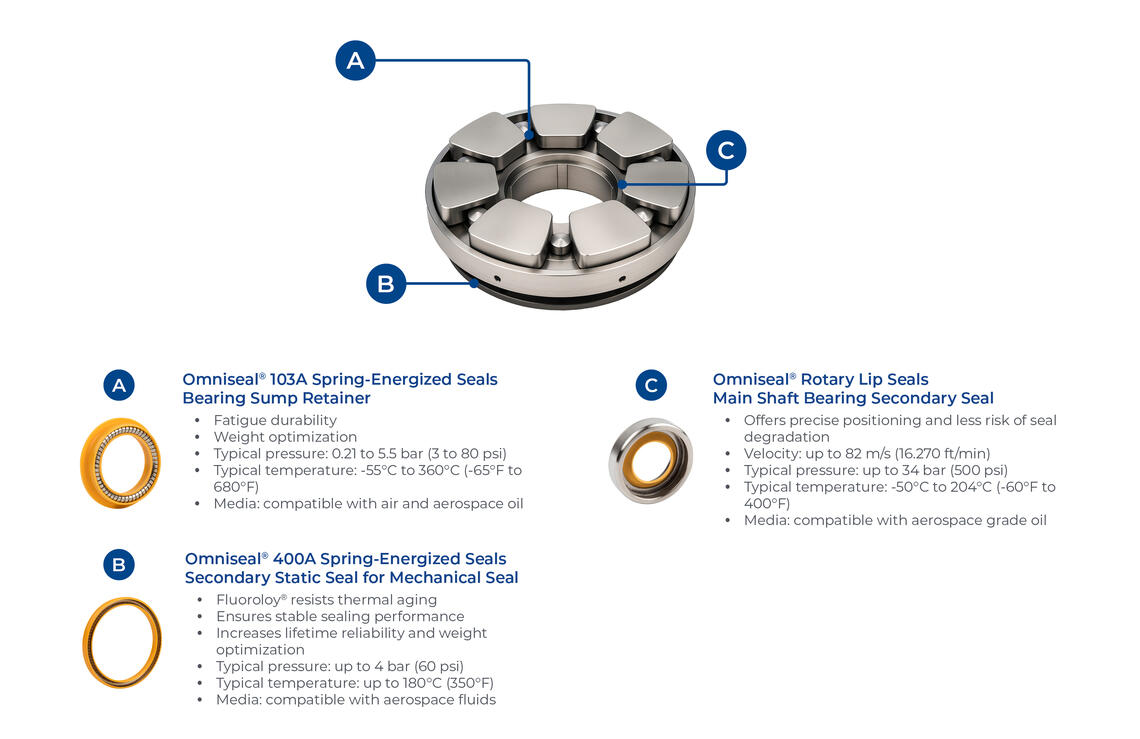
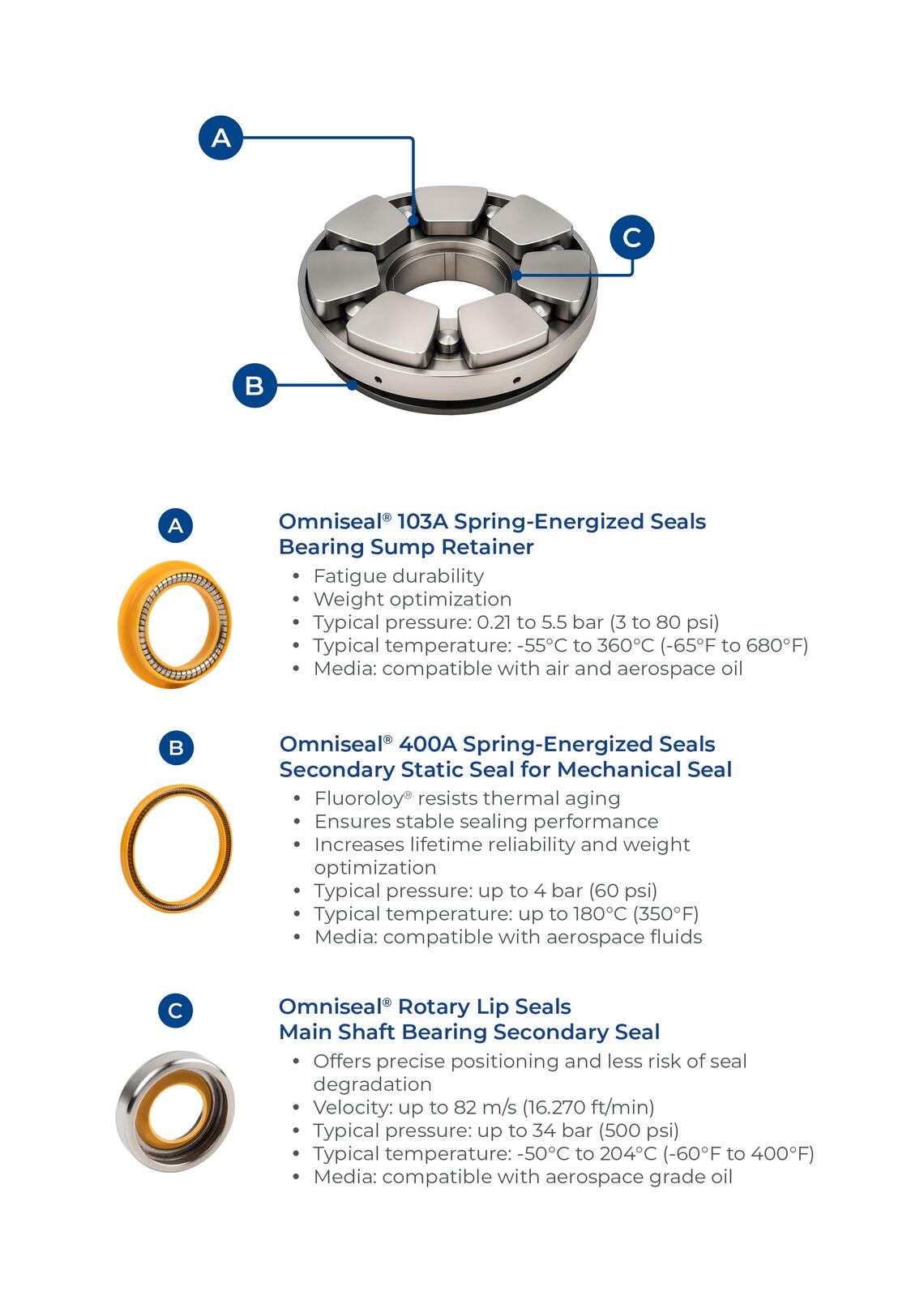
Retain lubricant and exclude contaminants, critical for airworthiness and safety. Provide dynamic and static sealing with low leakage, low friction, and the handling of shaft eccentricity.
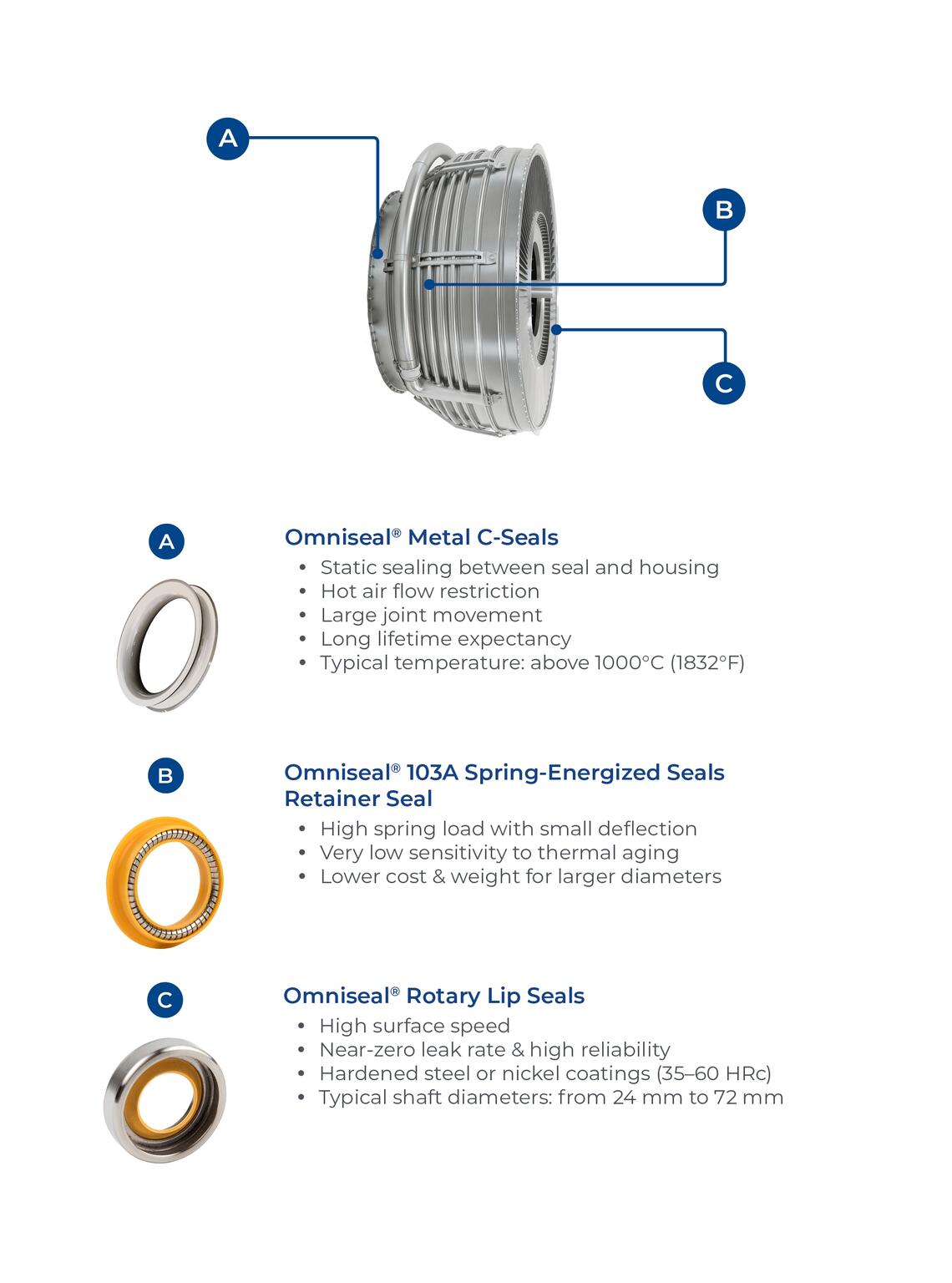
Increase part lifetime and improve maintenance cycles with temperature and pressure resistance. Control leakage rate with metal seal's high spring-back capability.
Provide dynamic sealing between seal and rotating shaft with lifetime confidence up to 5,000 hours under rotational speeds up to 6,000 hours.
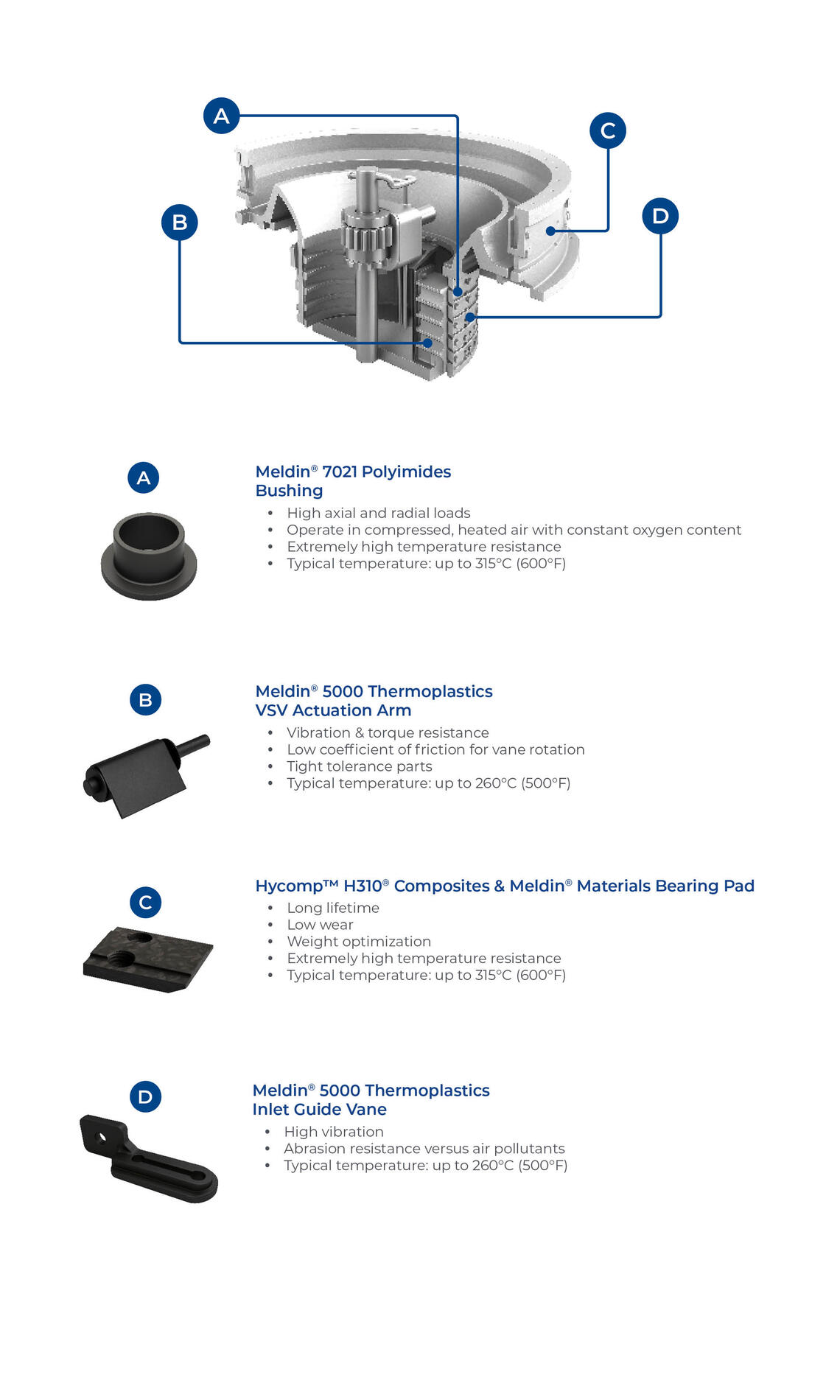
Ensure weight optimization, low wear, and long lifetime. Handle high axial and radial loads with tighter operating clearances, improving compressor performance.
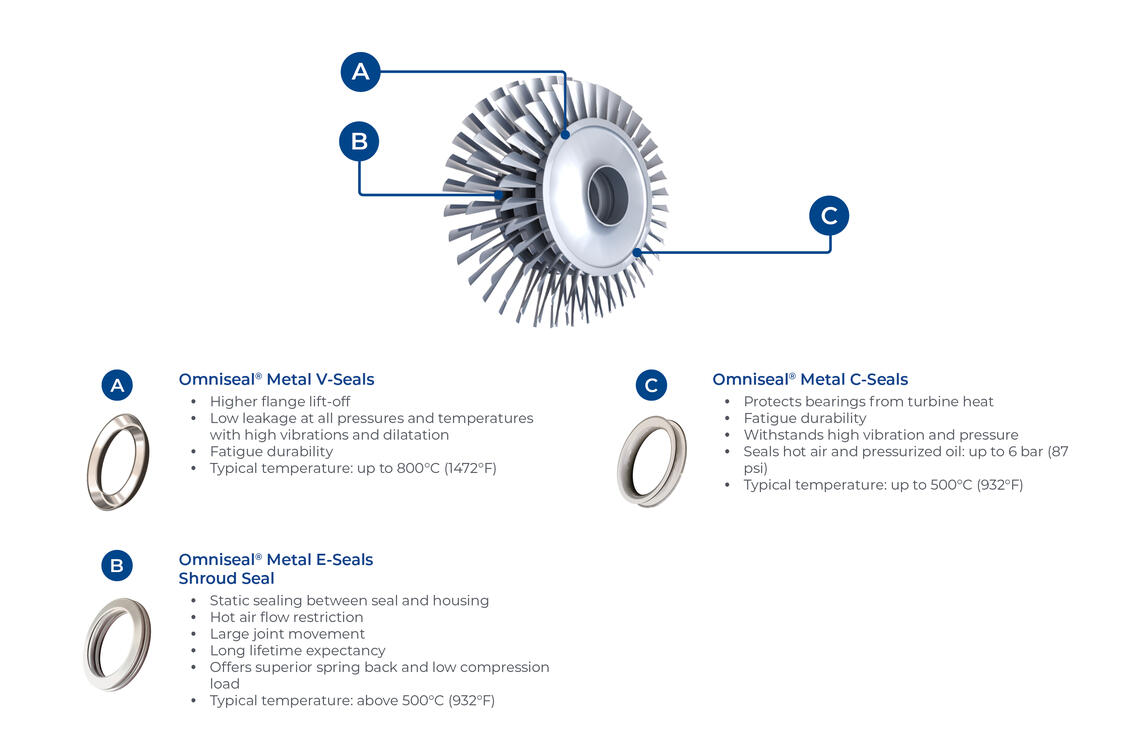
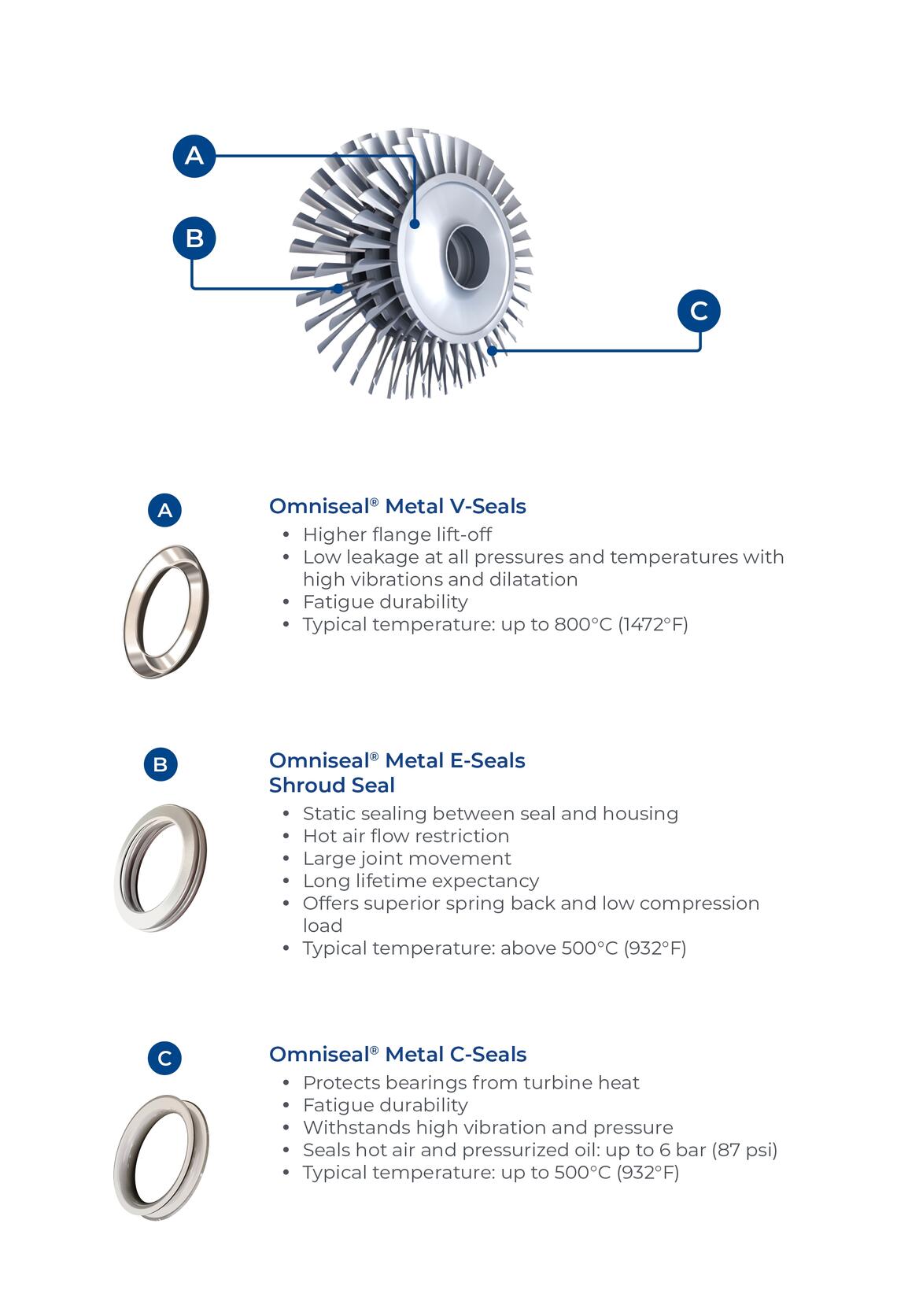
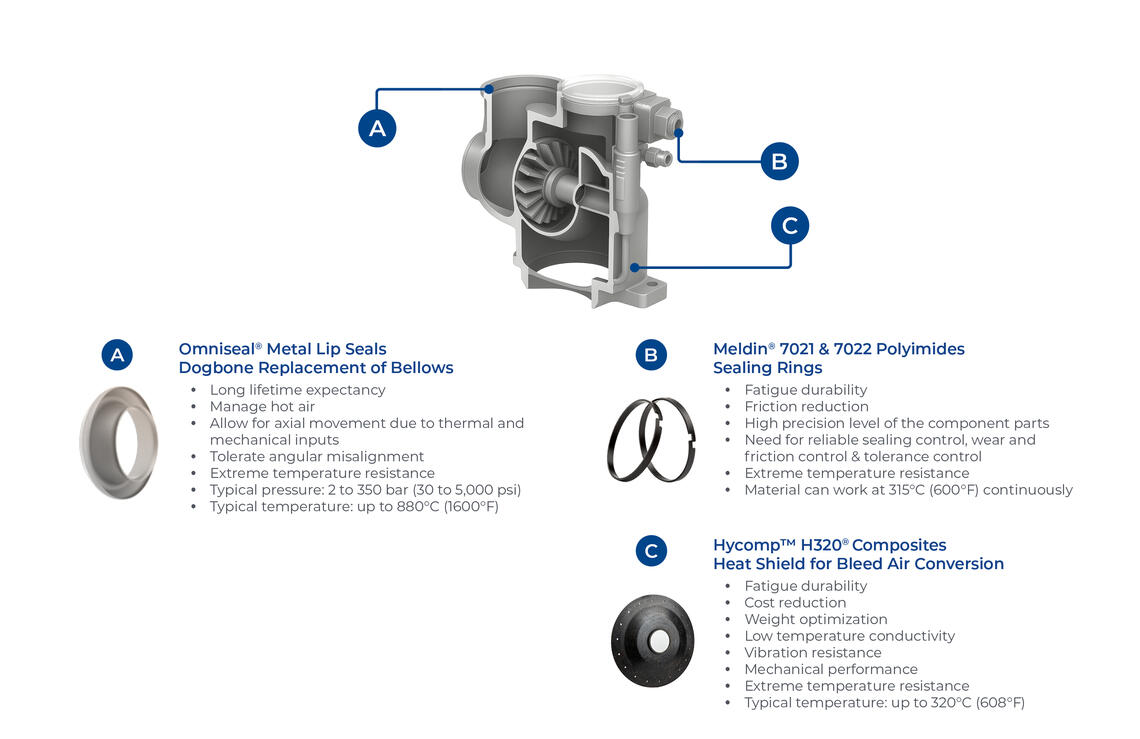
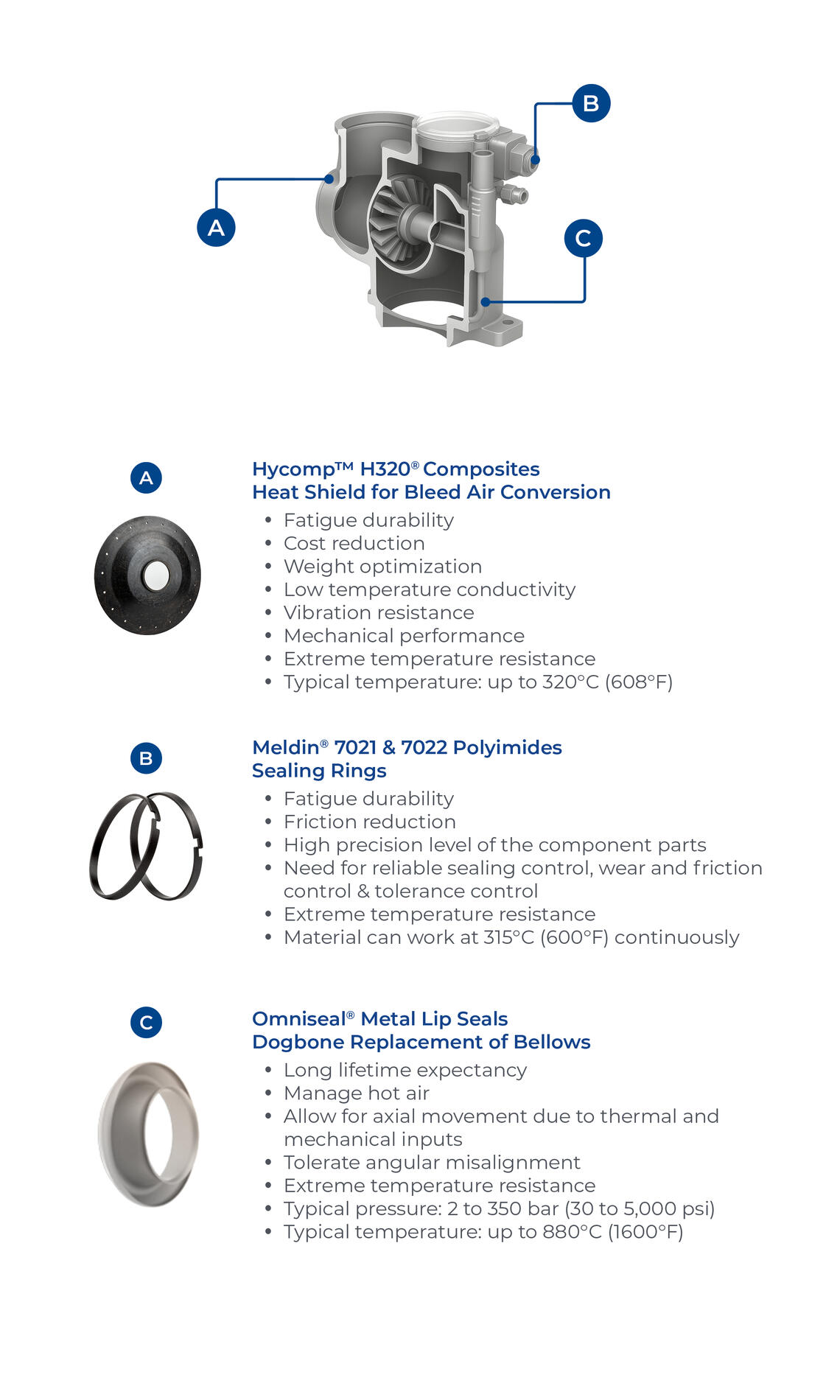
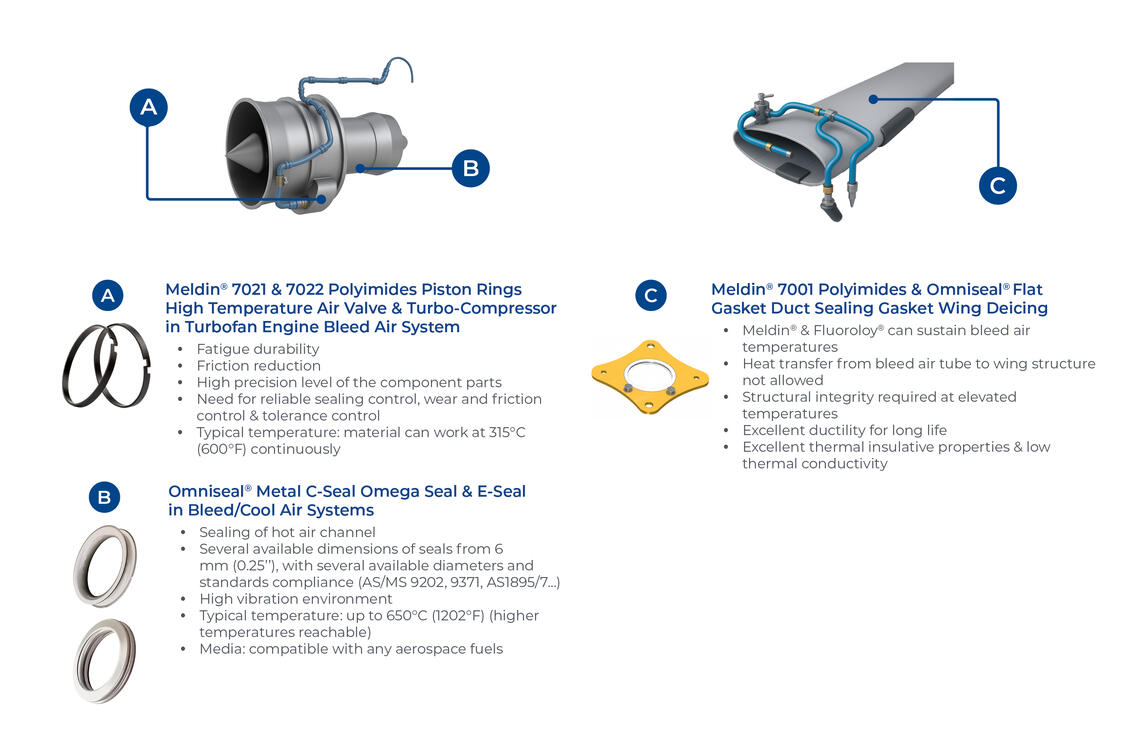
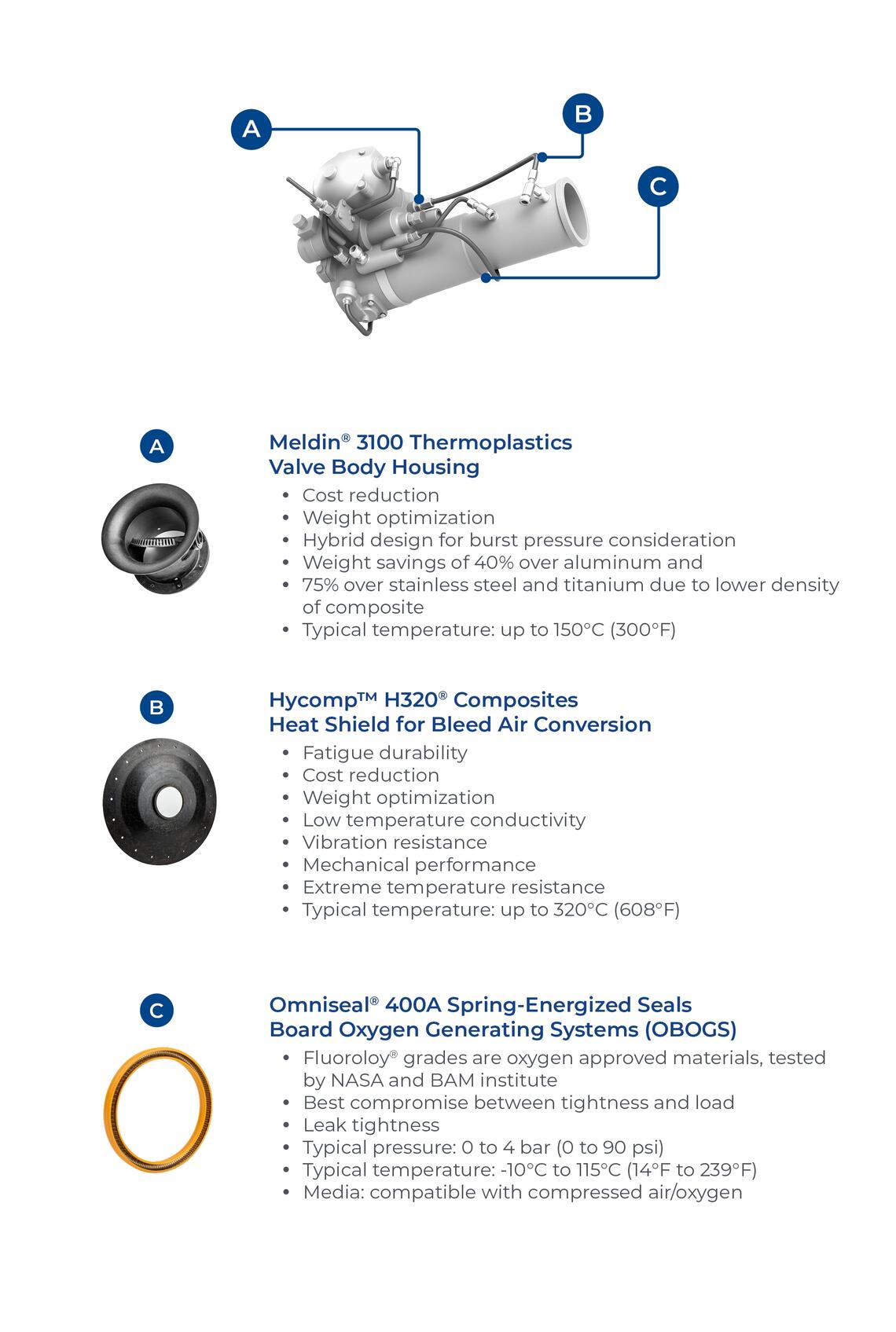
Protect systems under extreme high temperature with sealing, wear and friction components designed to restrict hot air flow.
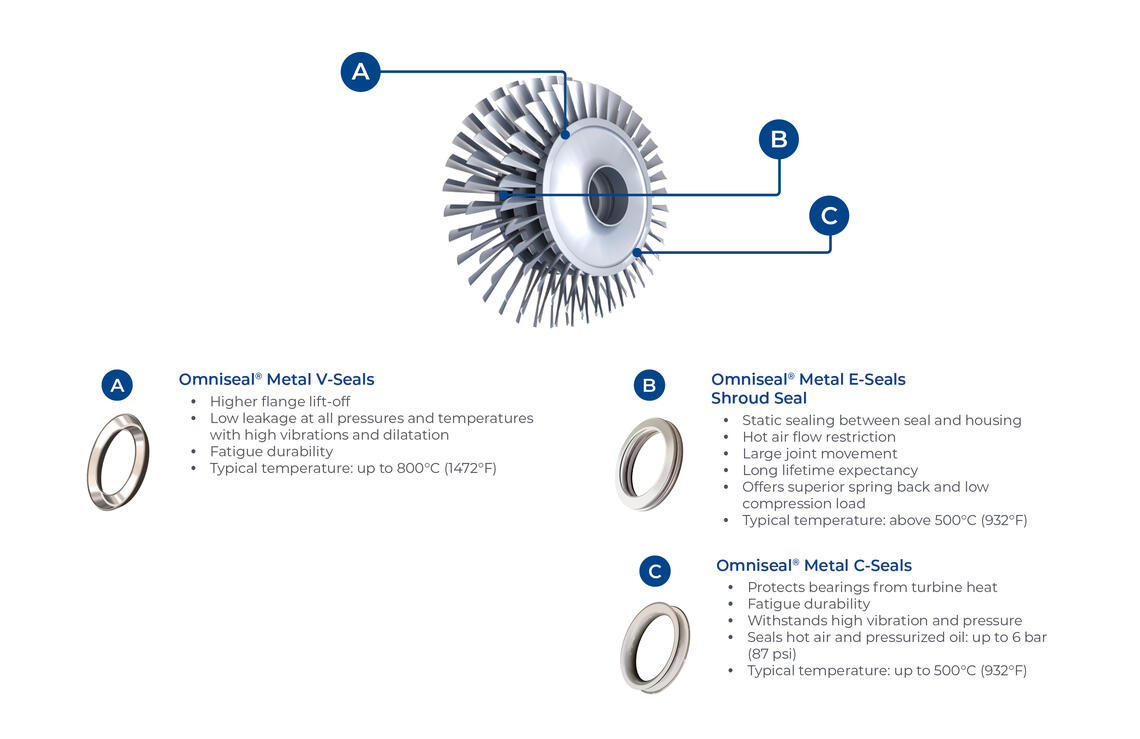
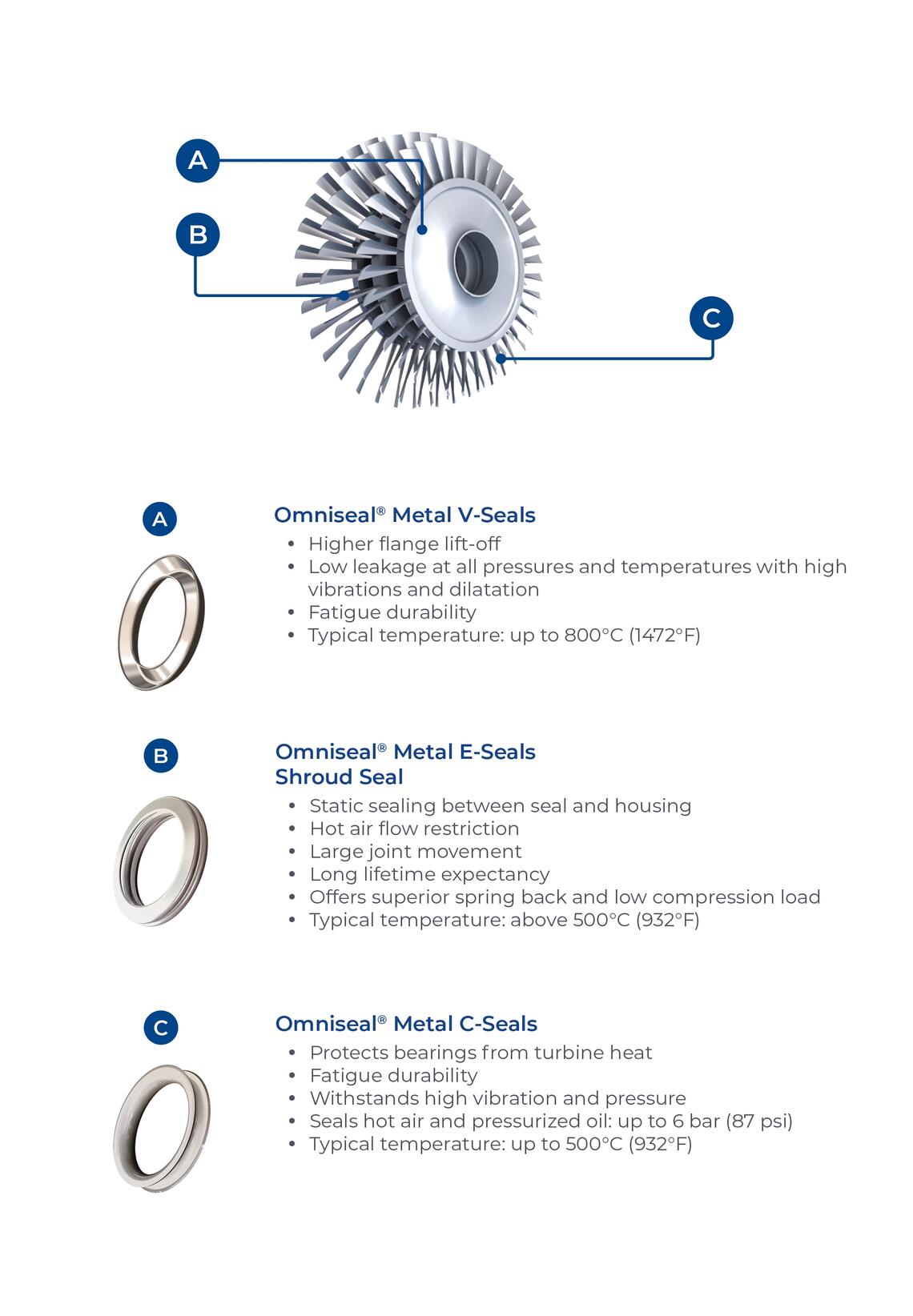
Provide low leakage and fatigue durability at all pressures and temperatures, despite vibration and dilatation.
Enable leak tightness, fatigue durability and extreme temperature resistance in high-load applications: internal combustion engines, turbochargers, and aerospace propulsion.
Enhance thermal stability and provide effective lubrication over a wide temperature range. Ensure superior lifetime expectancy compared to elastomer seals, reducing wear and friction.
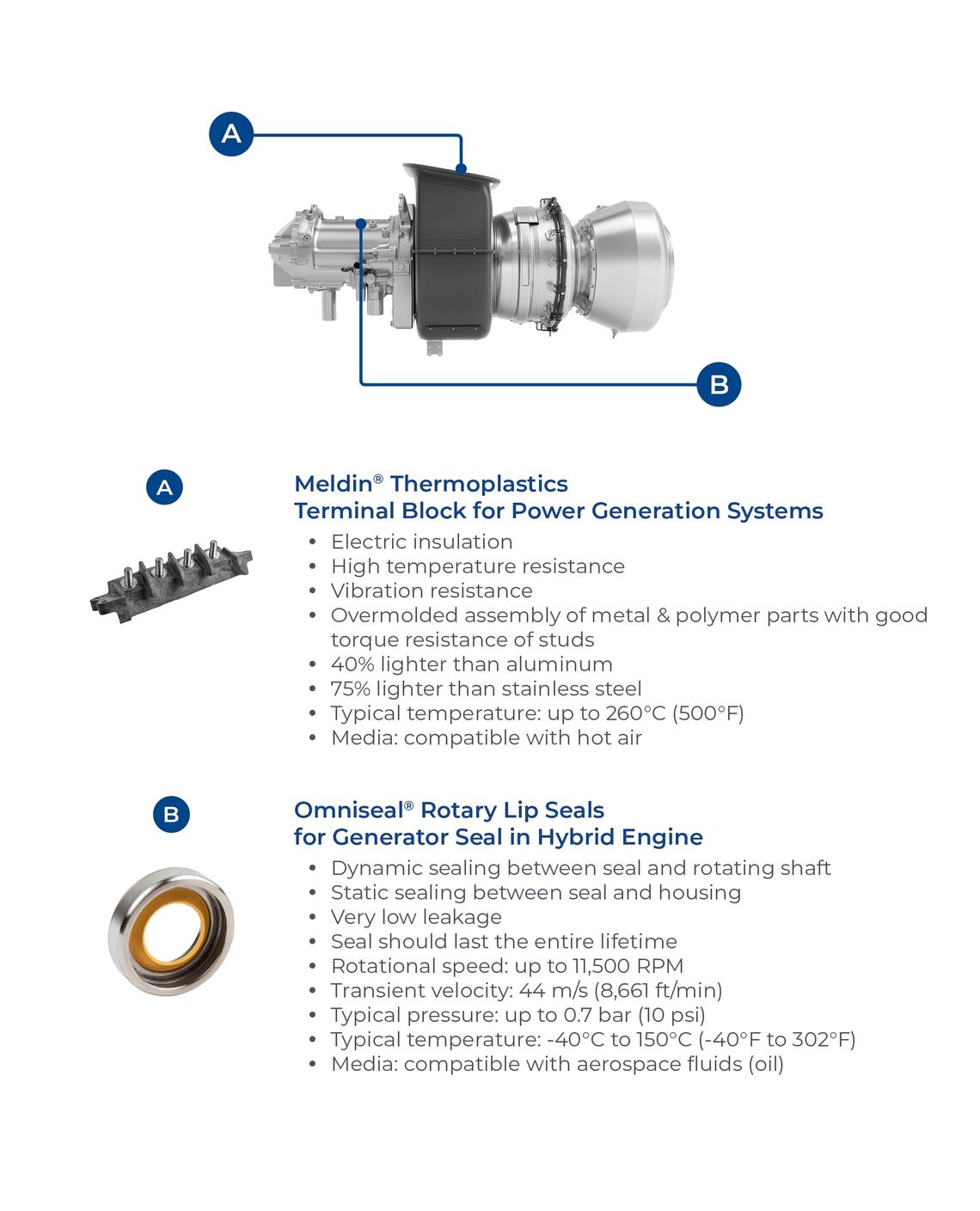
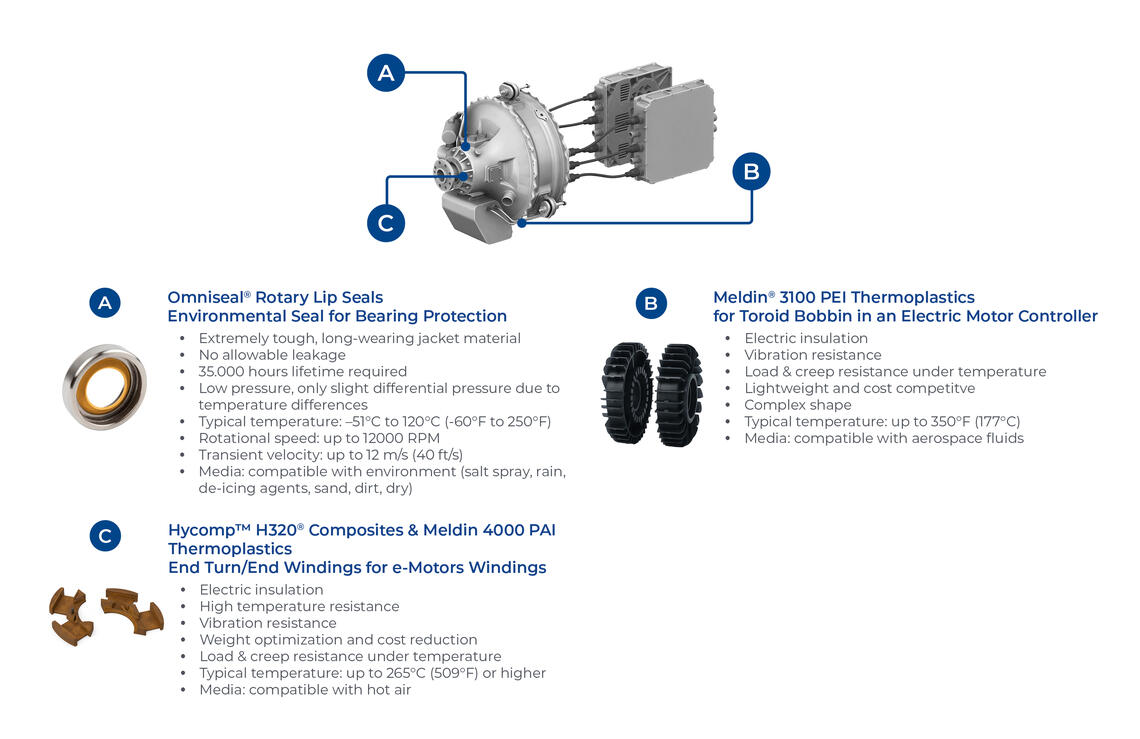
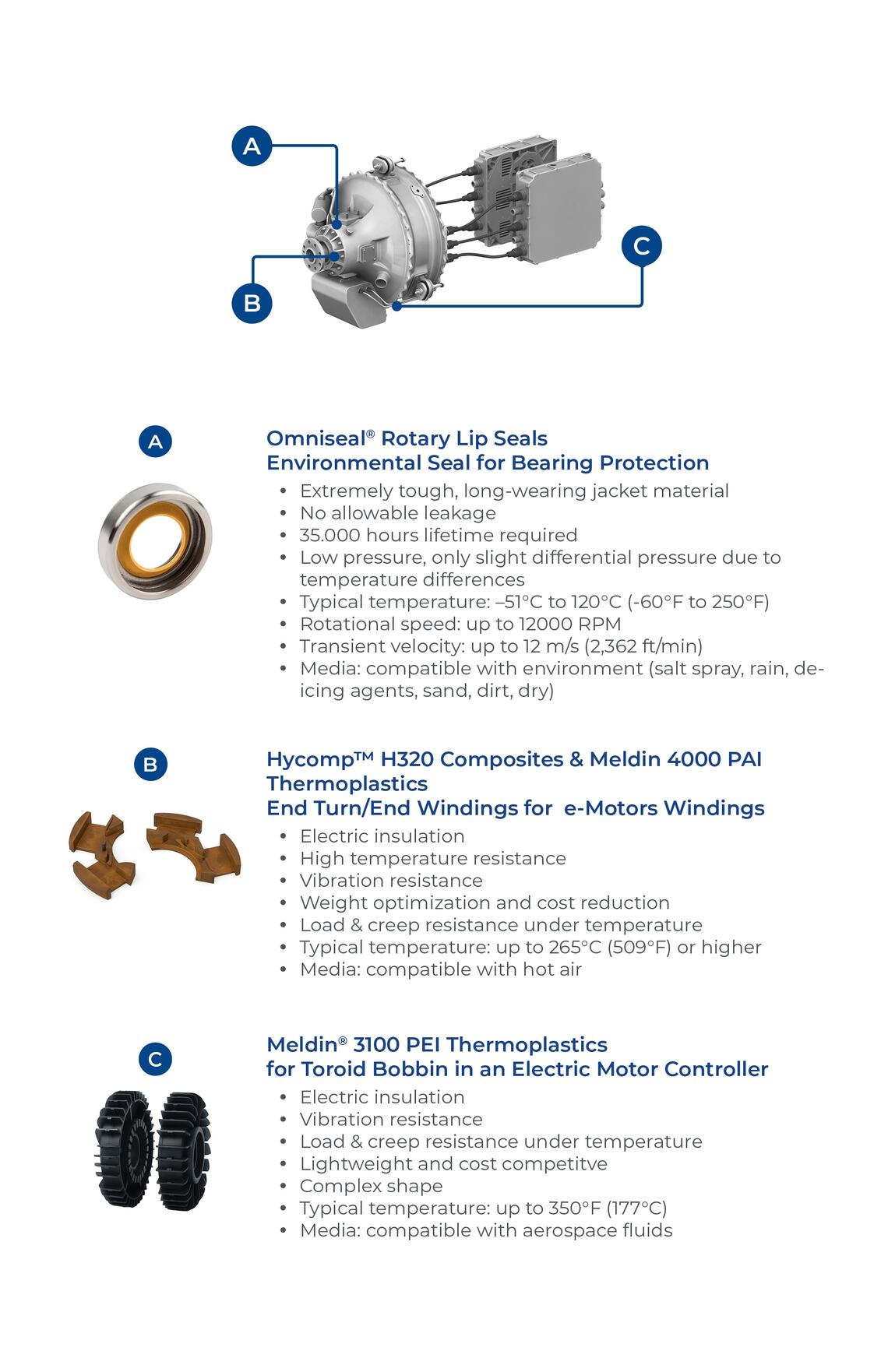
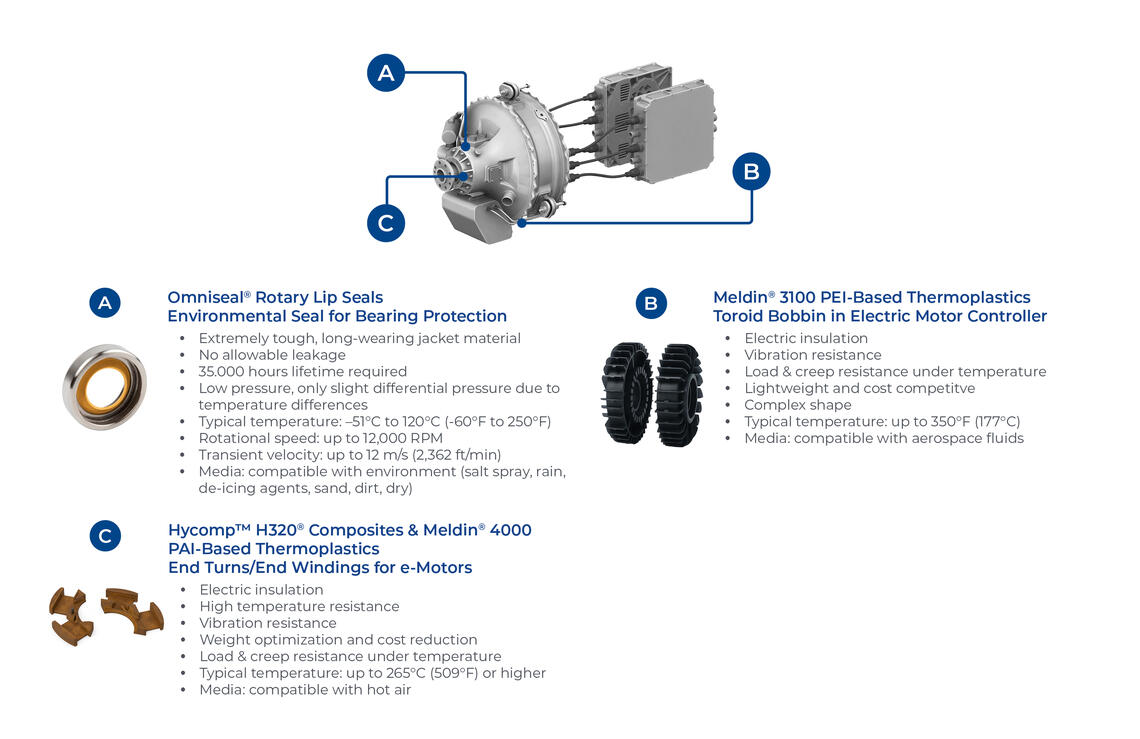
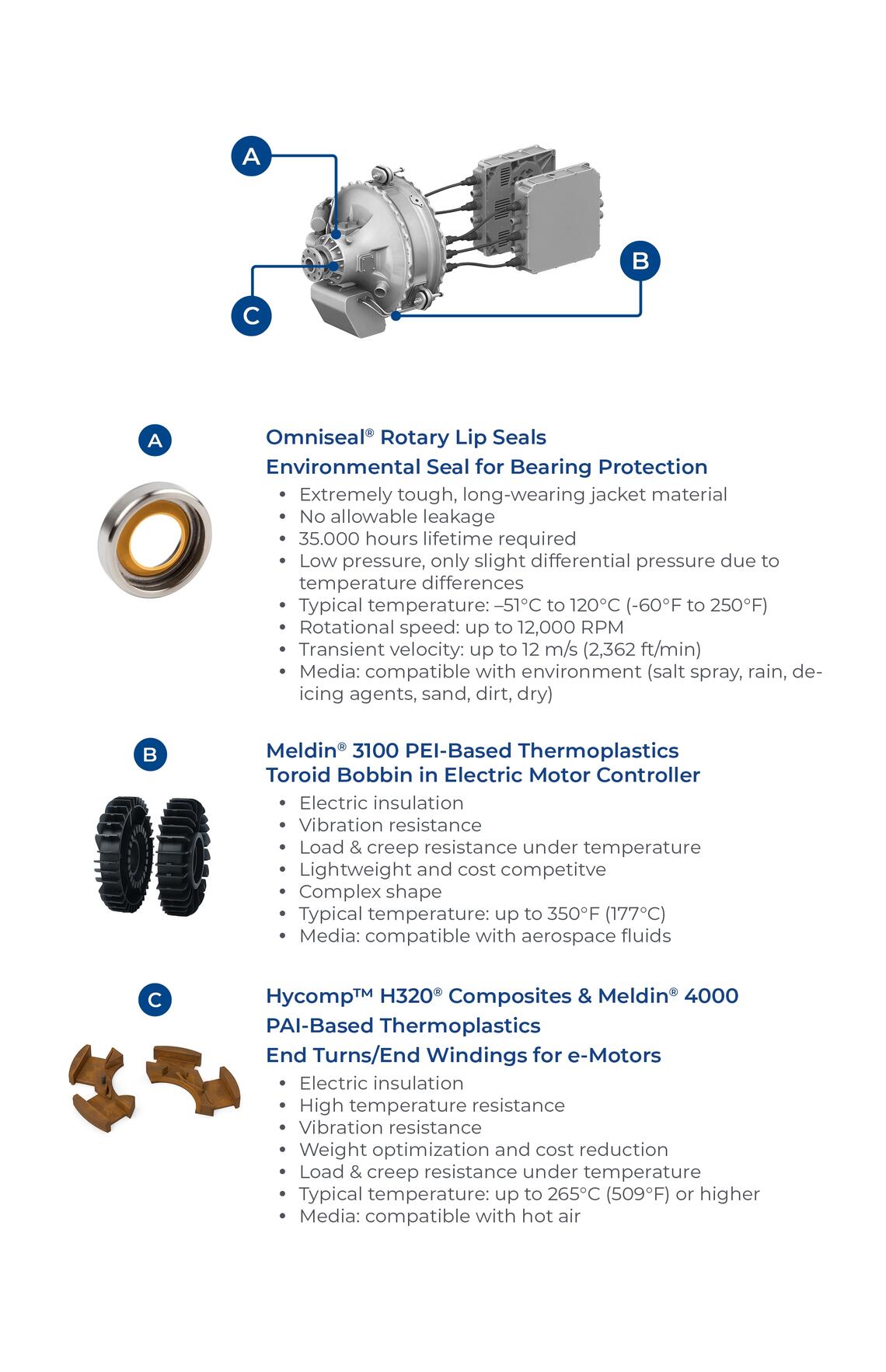
Achieve weight savings and higher power density. Reduce noise and vibration while being compatible with aerospace fluids and various lubricating oils for sealing control.
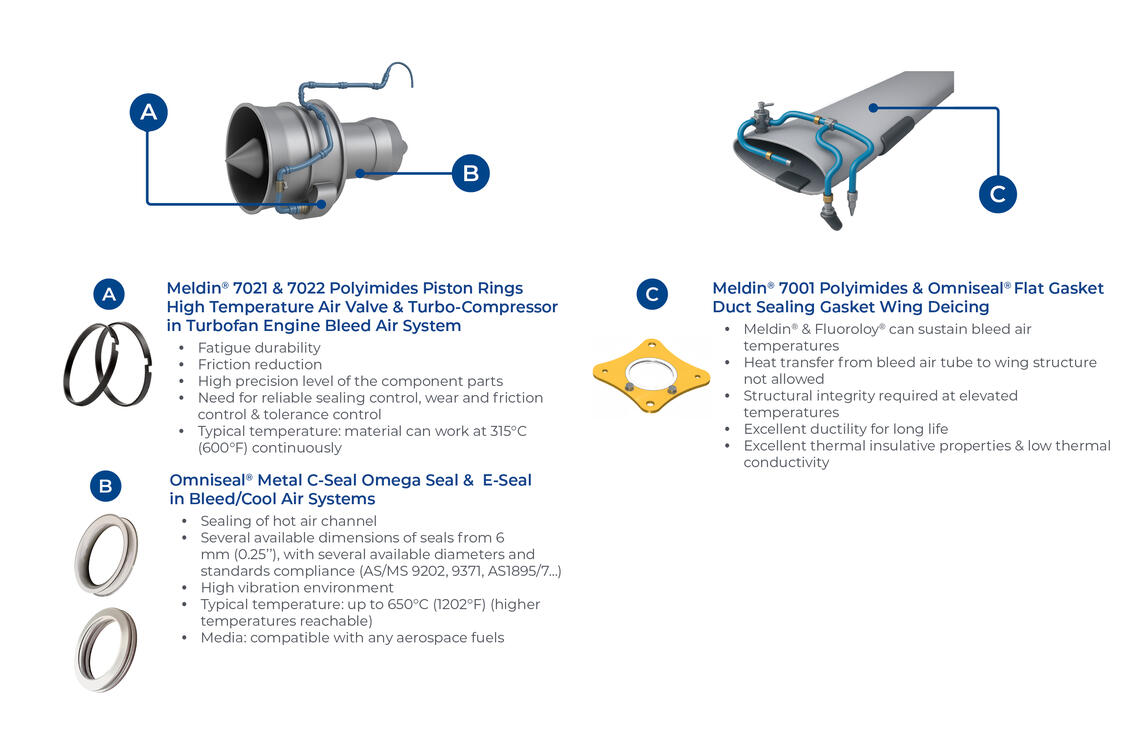
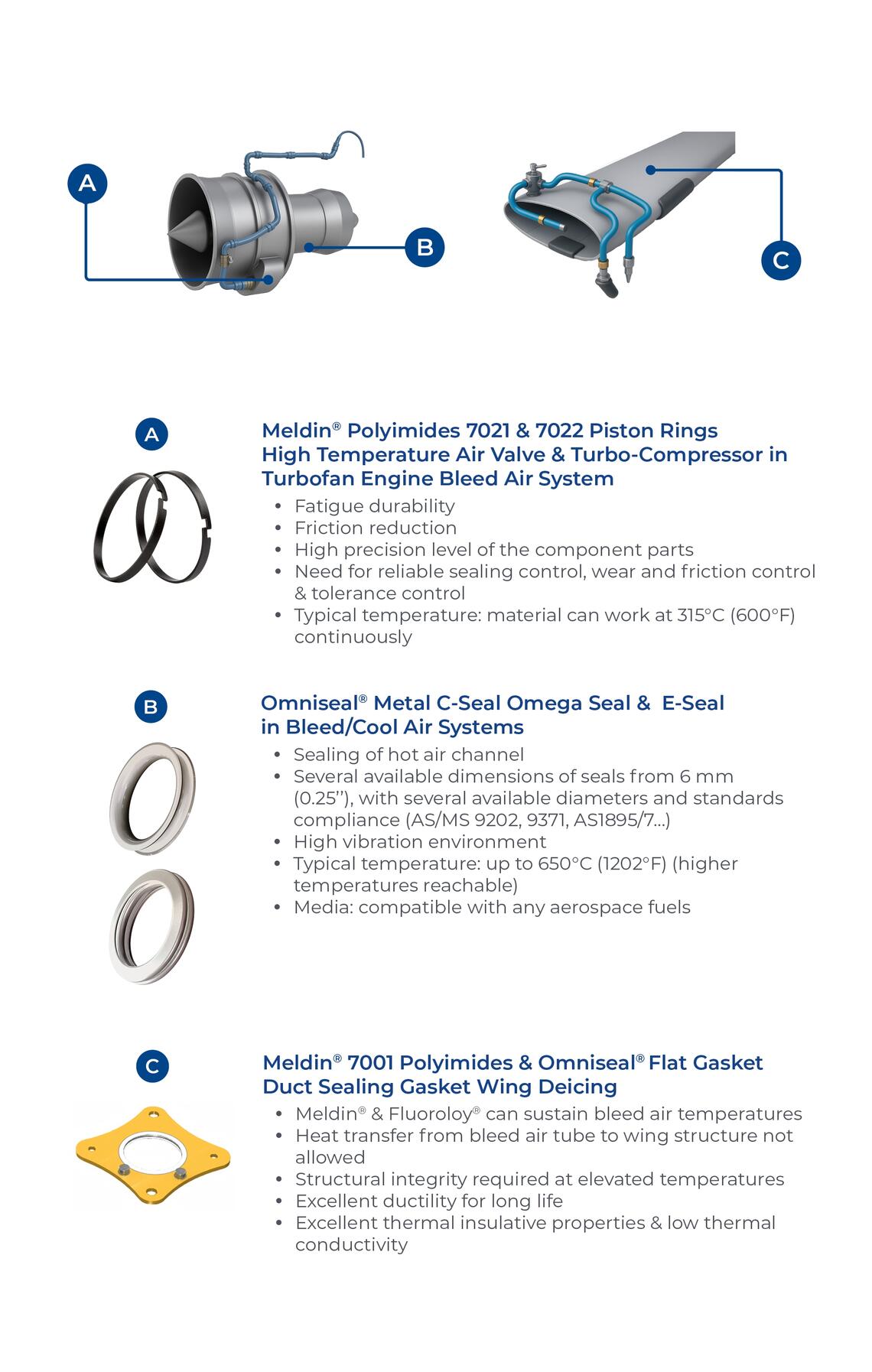
Prevent high temperature leaks, ensuring system integrity for cabin pressurization, anti-icing, and safety. Provide fatigue durability, friction reduction and sealing control.
Reduce costs and boost fuel efficiency through high strength-to-weight ratios. Provide superior thermal stability, even in harsh aerospace environments.
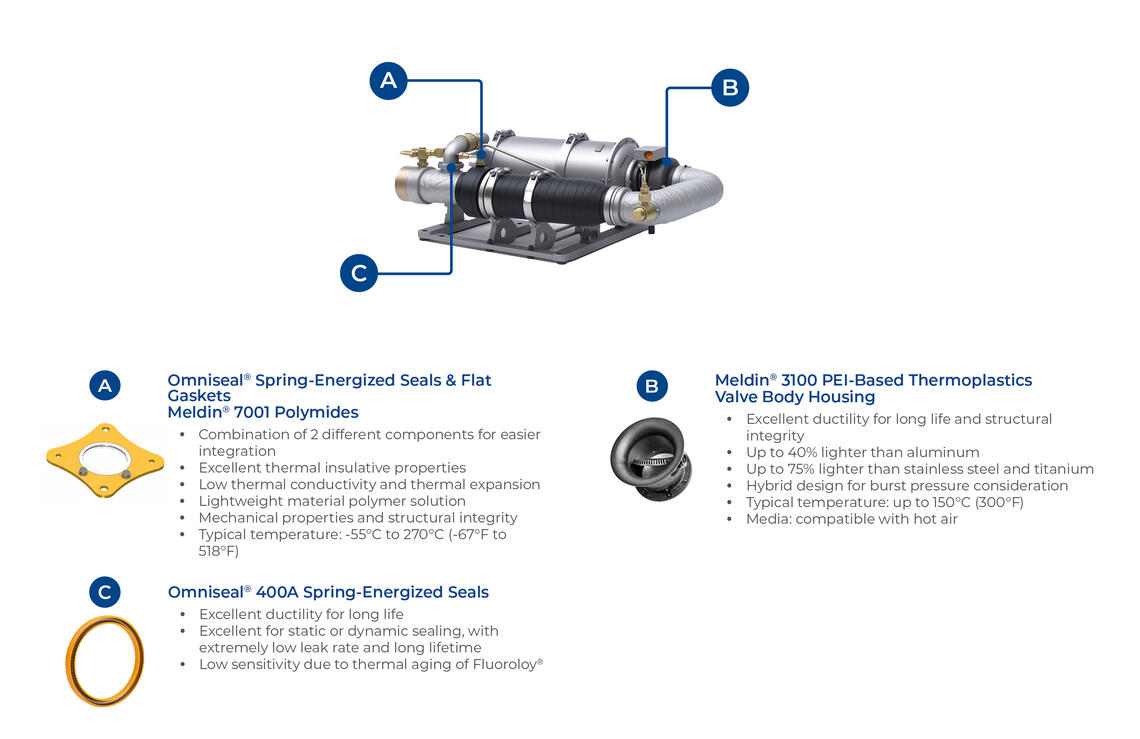
Provide tight sealing under high temperature and pressure, while resisting thermal aging. Ensure lighter weight, which is suitable for compact, weight-sensitive designs.
Provide dynamic and static sealing, high temperature resistance and electrical insulation, while maintaining weight requirements.
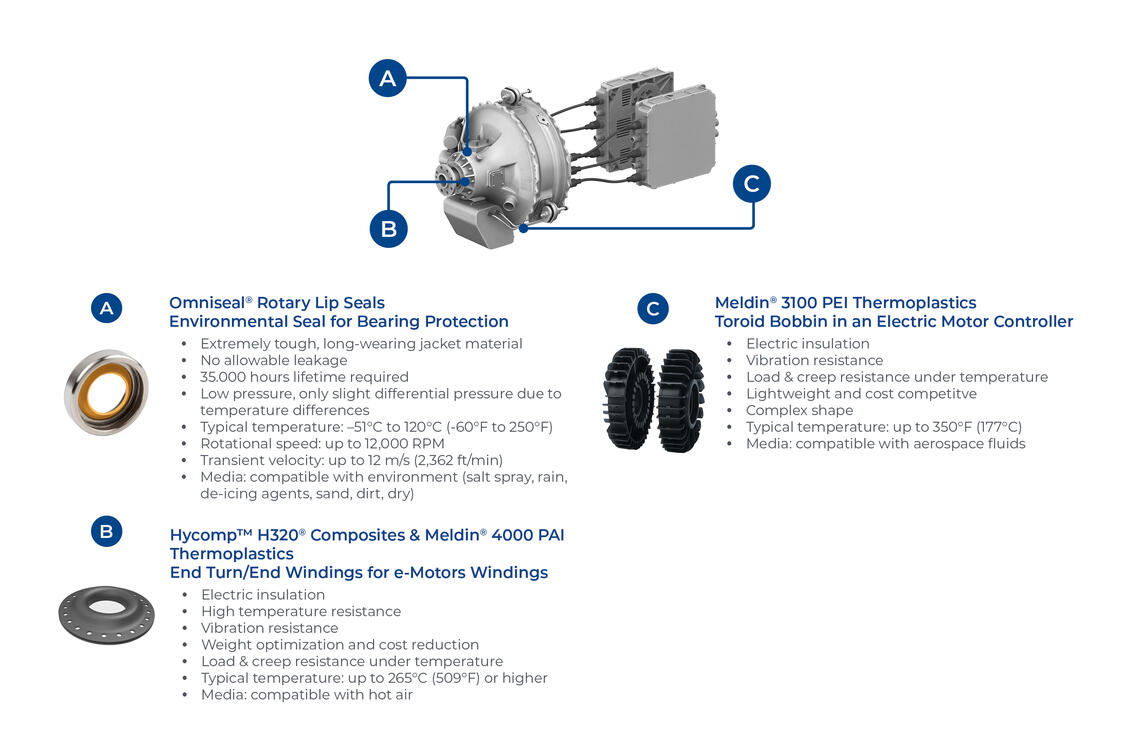
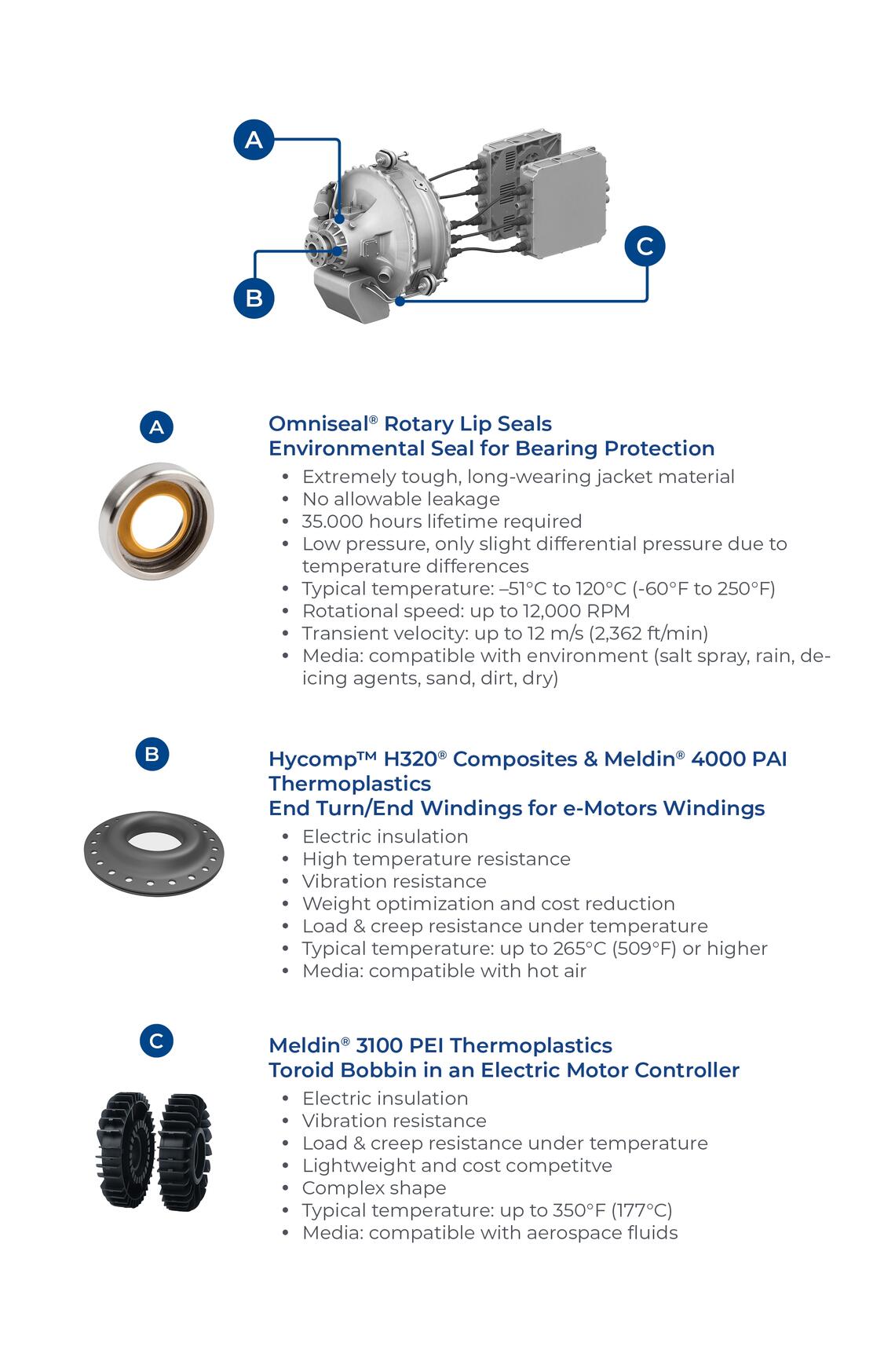
Deliver insulating properties within electrical systems, handling load and creep resistance under temperature, and vibration resistance.
Resist mechanical loads, and provide vibration resistance in high temperature environments.
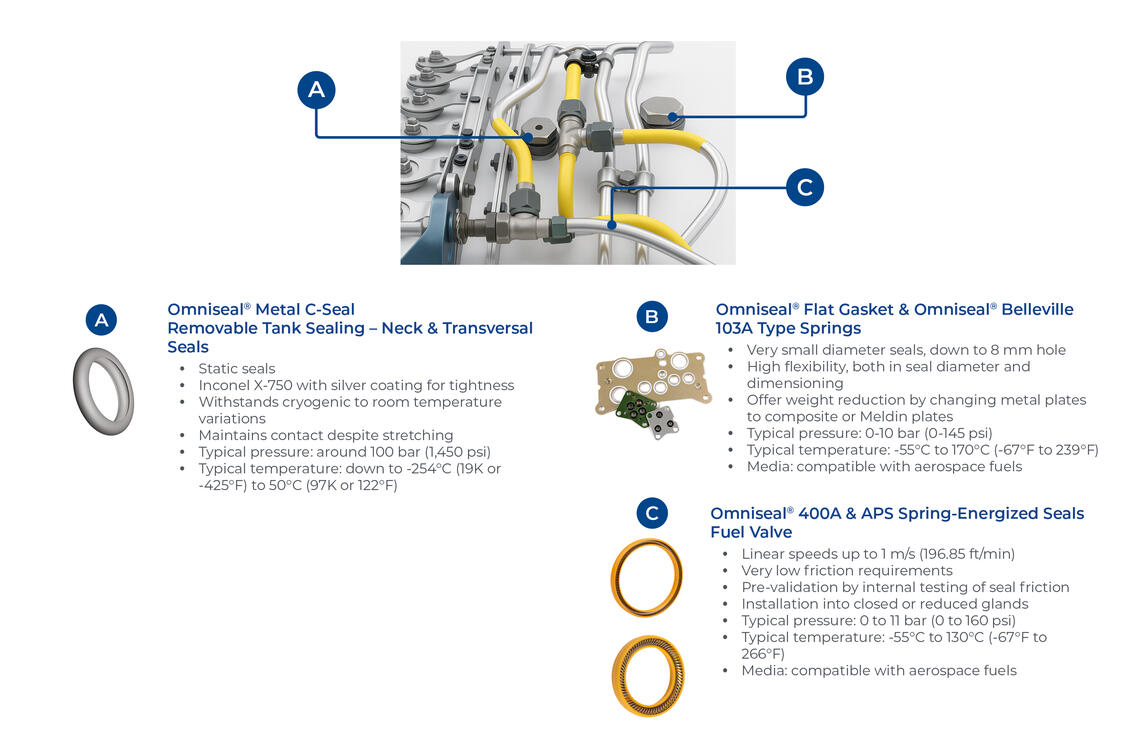
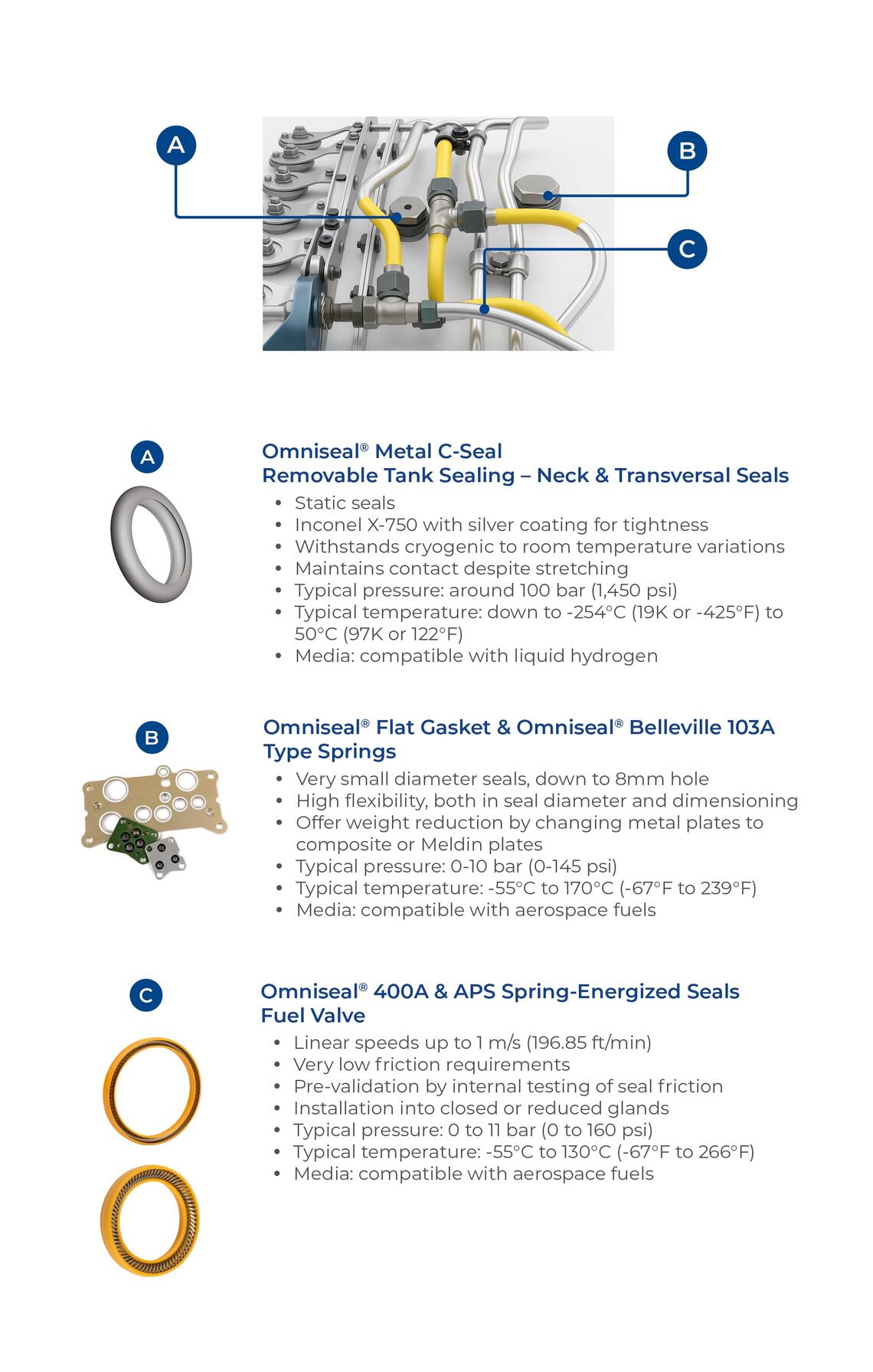
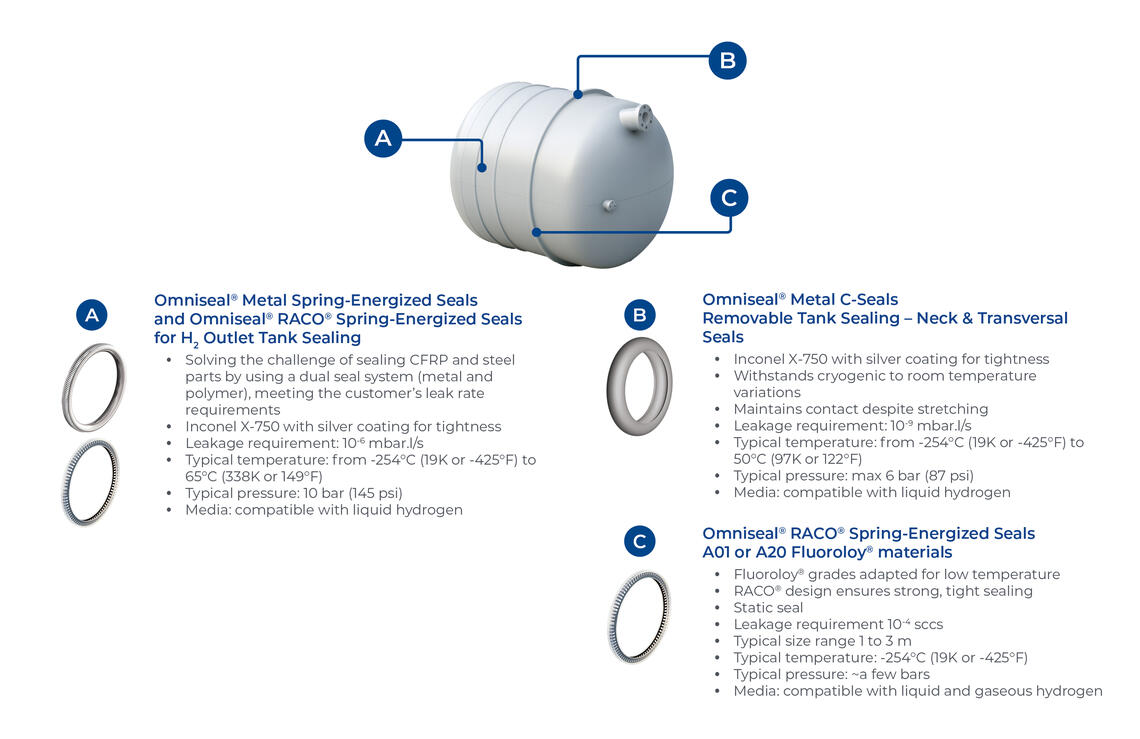
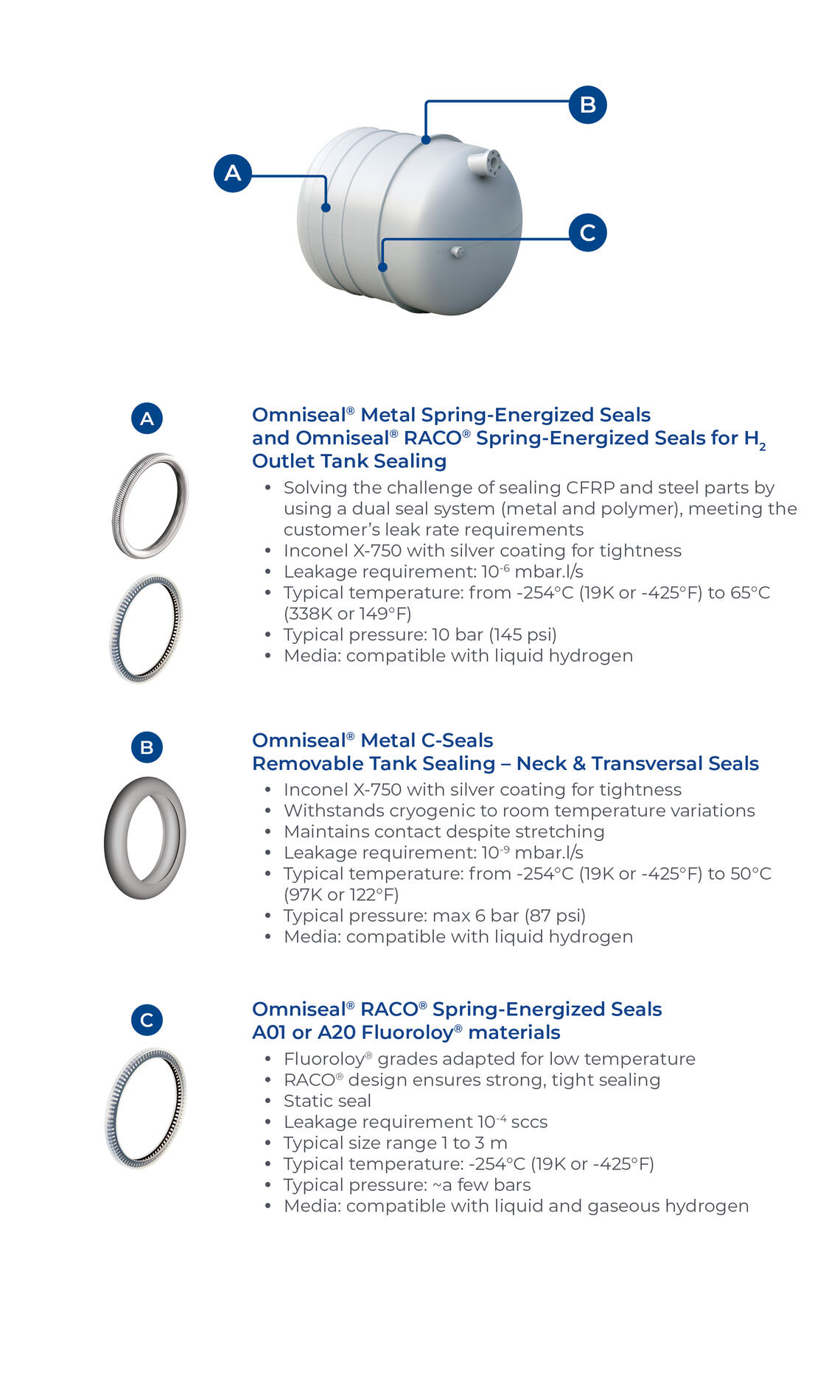
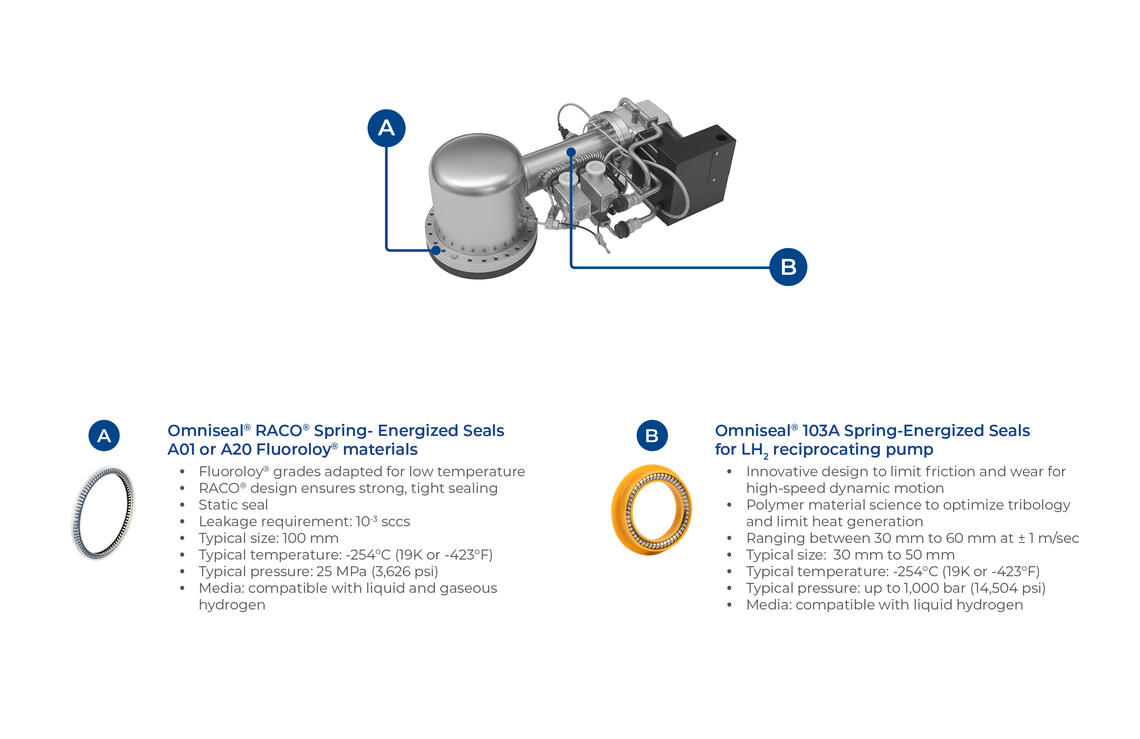
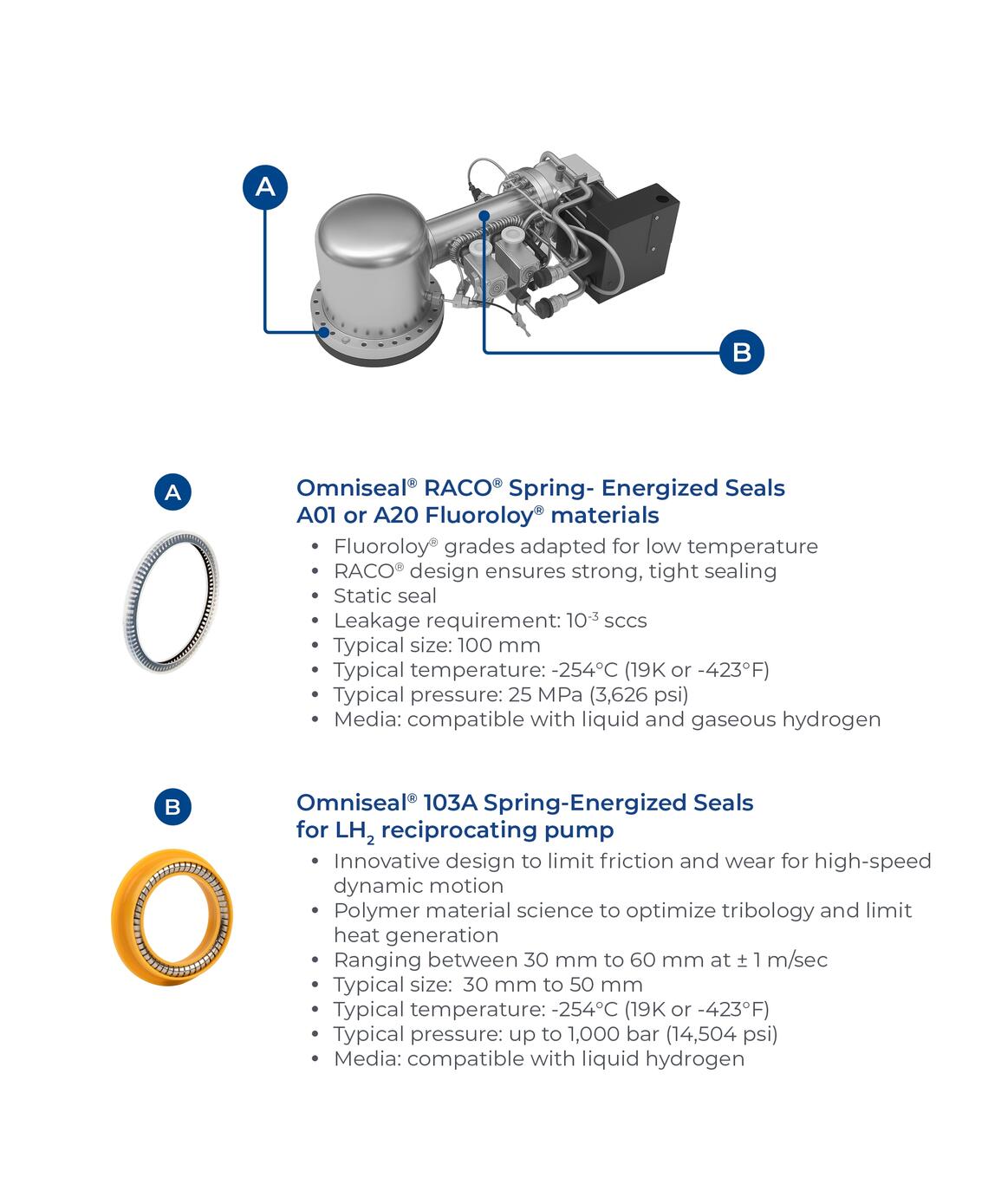
Withstand cryogenic temperatures for H2 using metal and polymer seals and wear and friction control solutions.
Handle high axial loads, delivering extended lifetime and low wear and friction to protect compressor systems at high temperatures.
Limit friction and wear while ensuring strong, tight sealing, using engineered innovative polymer designs.
Provide dimensional stability at high temperatures and deliver excellent performance over time in feedlines and pipes.
Provide reliable low friction and wear control under cryogenic conditions. Handle chemical resistance and compatibility in fuel immersion when required.
Take care of vibration resistance while providing long lifetime requirements.
Prevent leakage and enable electric insulation, weight reduction, and vibration resistance, under high temperature environments.
Enable electric insulation, low wear, load & creep resistance & weight optimization, all while under high temperatures.
Combine different components to simplify systems, reduce weight and ensure better integration.
Manage sealing, wear and friction control with materials and solutions compatible with any aerospace fluid, sand, dirt, and de-icing agents.
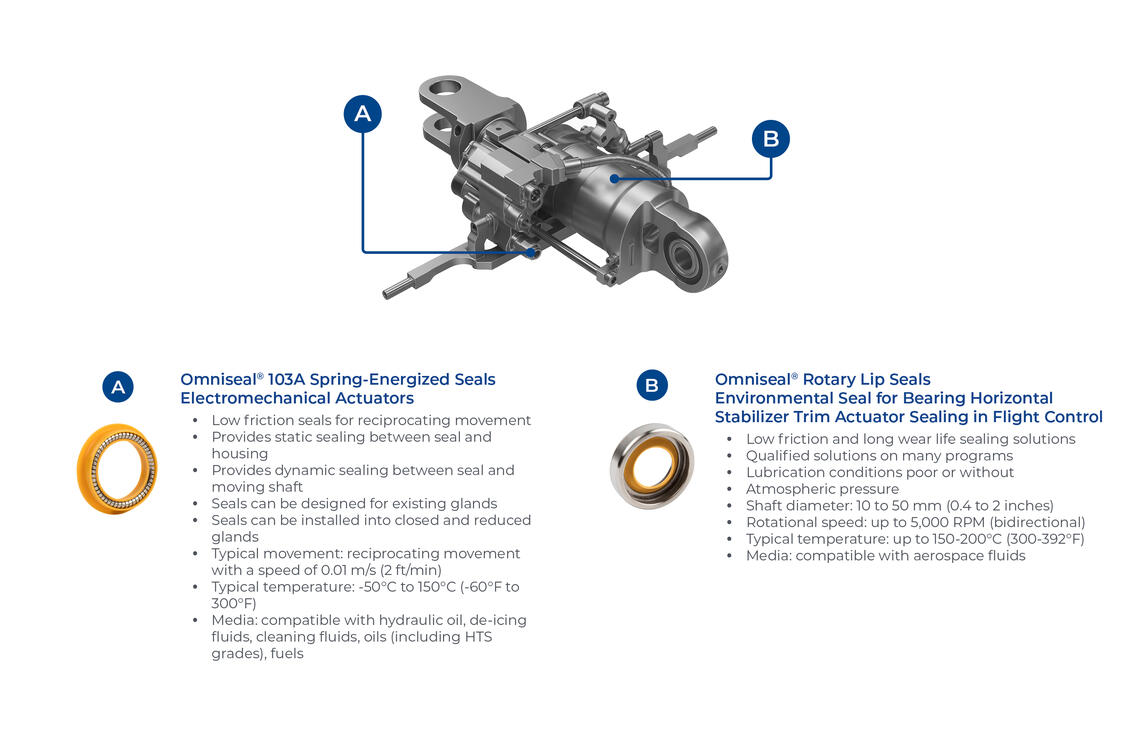
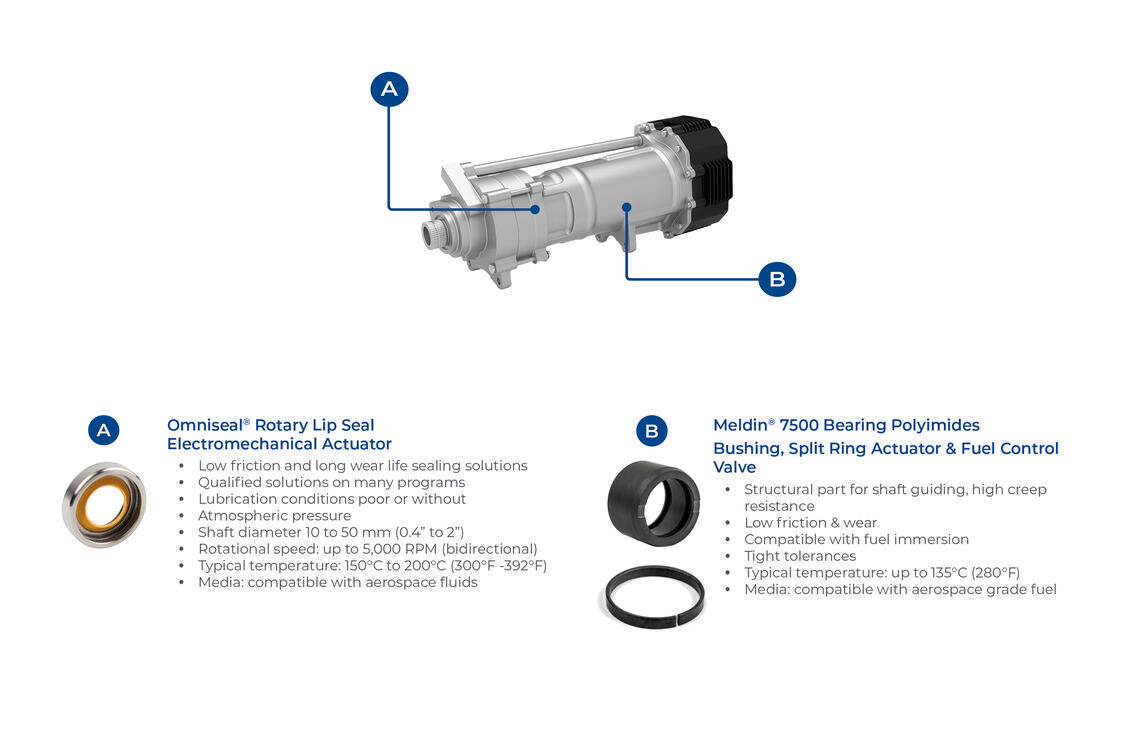
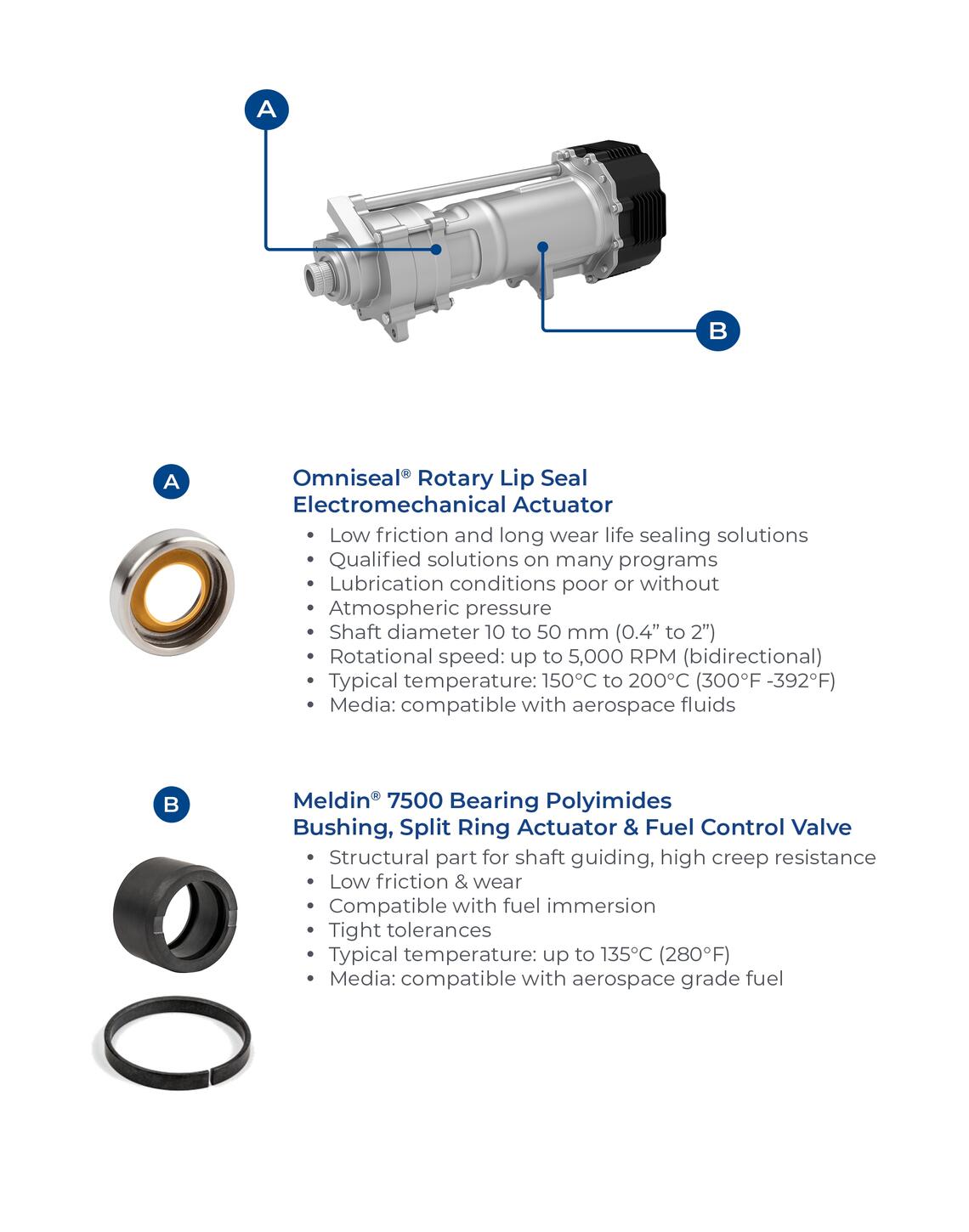
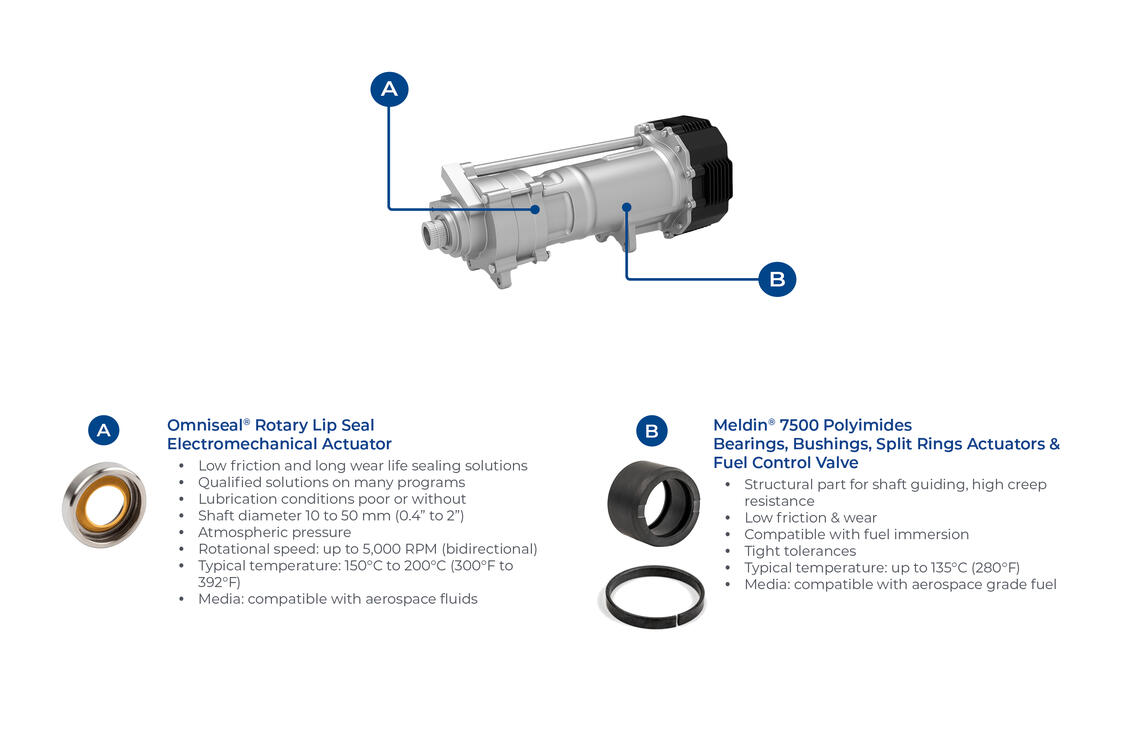
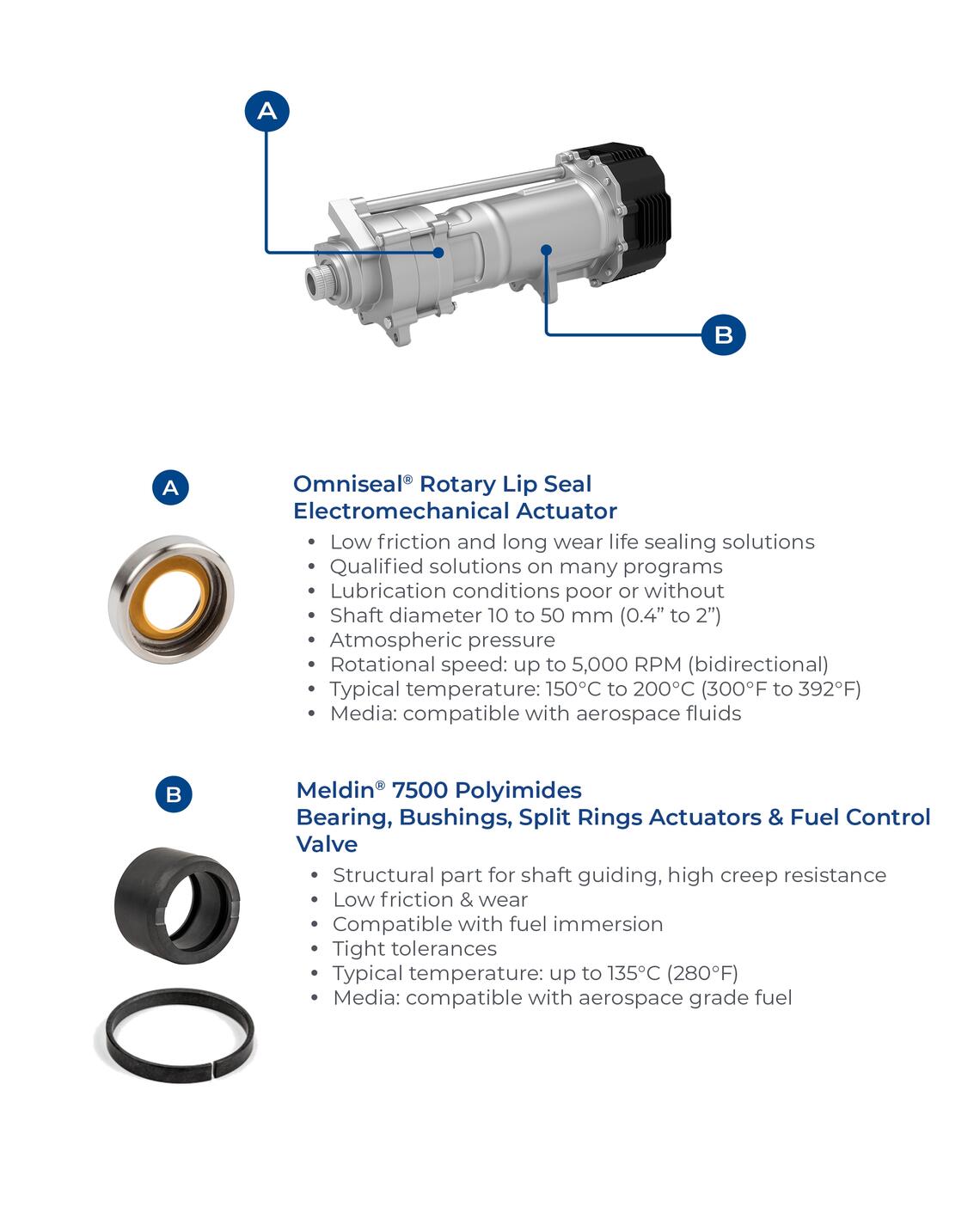
Low friction and long wear life sealing solutions that are compatible with aerospace fluids and fuels.
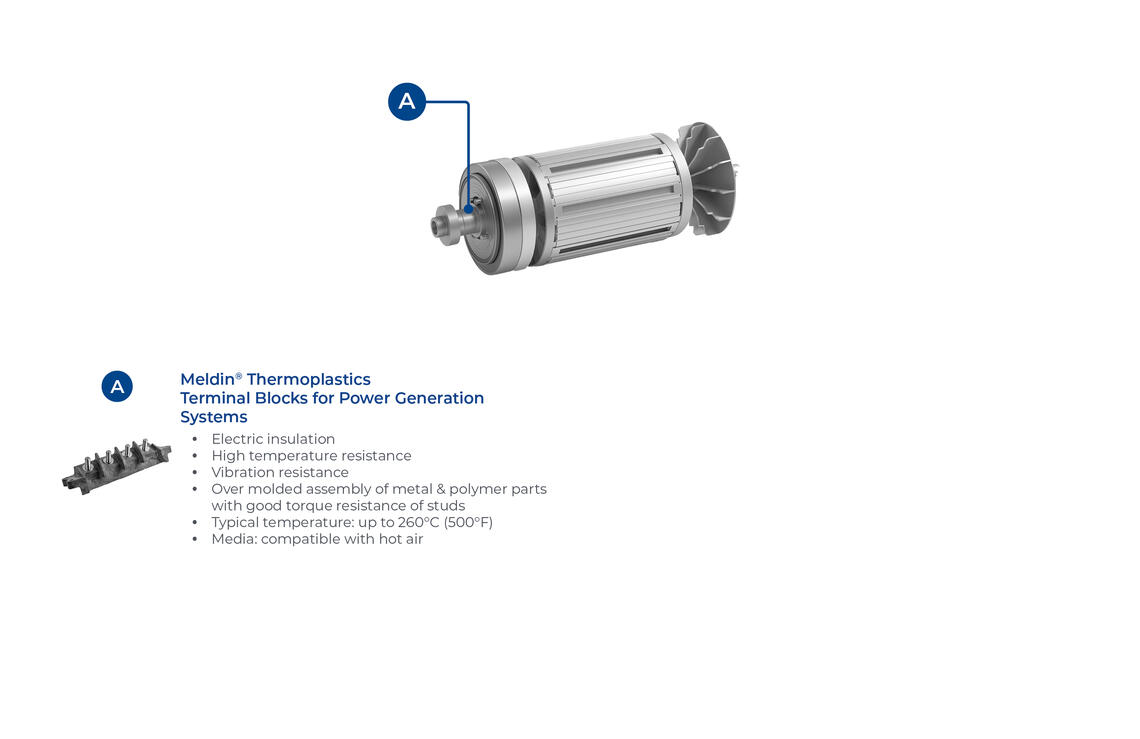
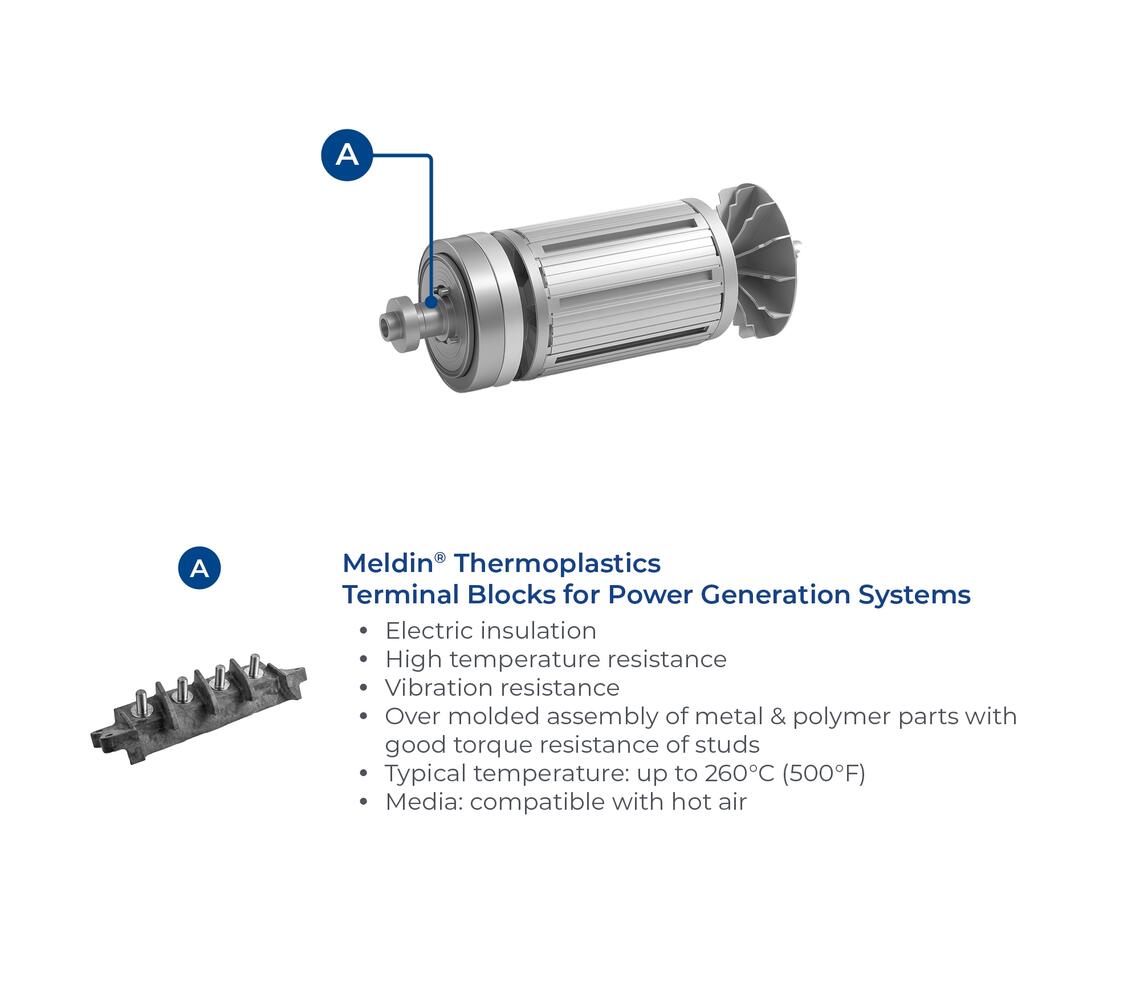
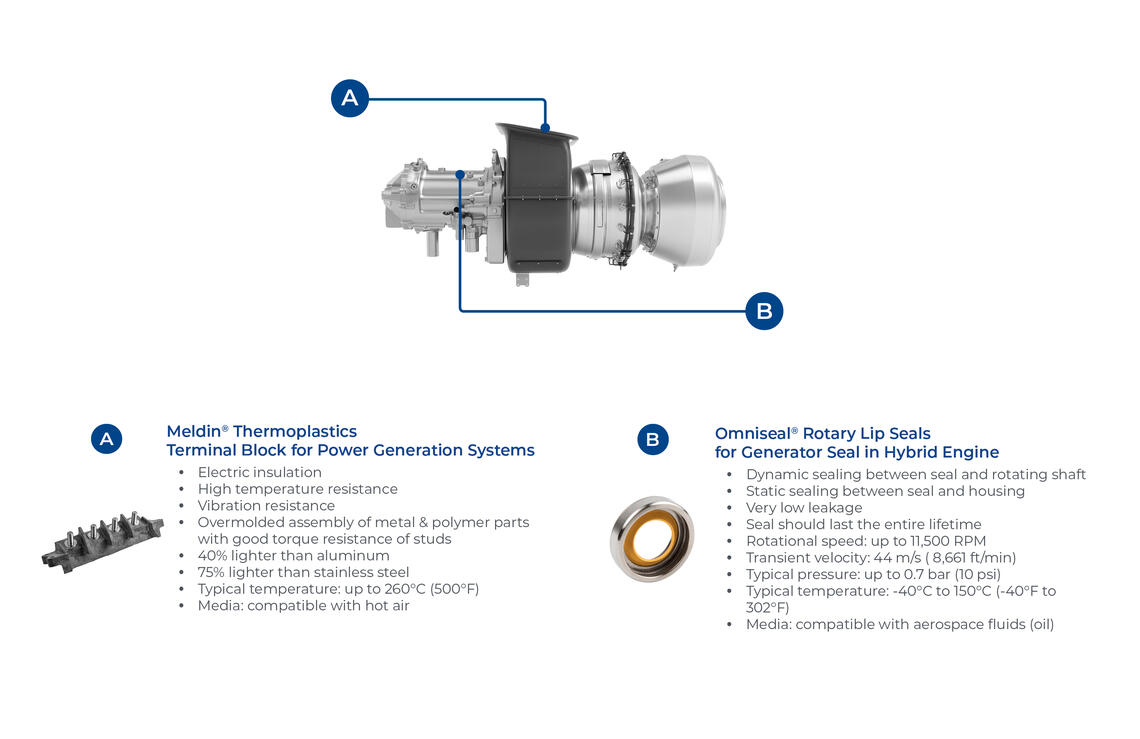
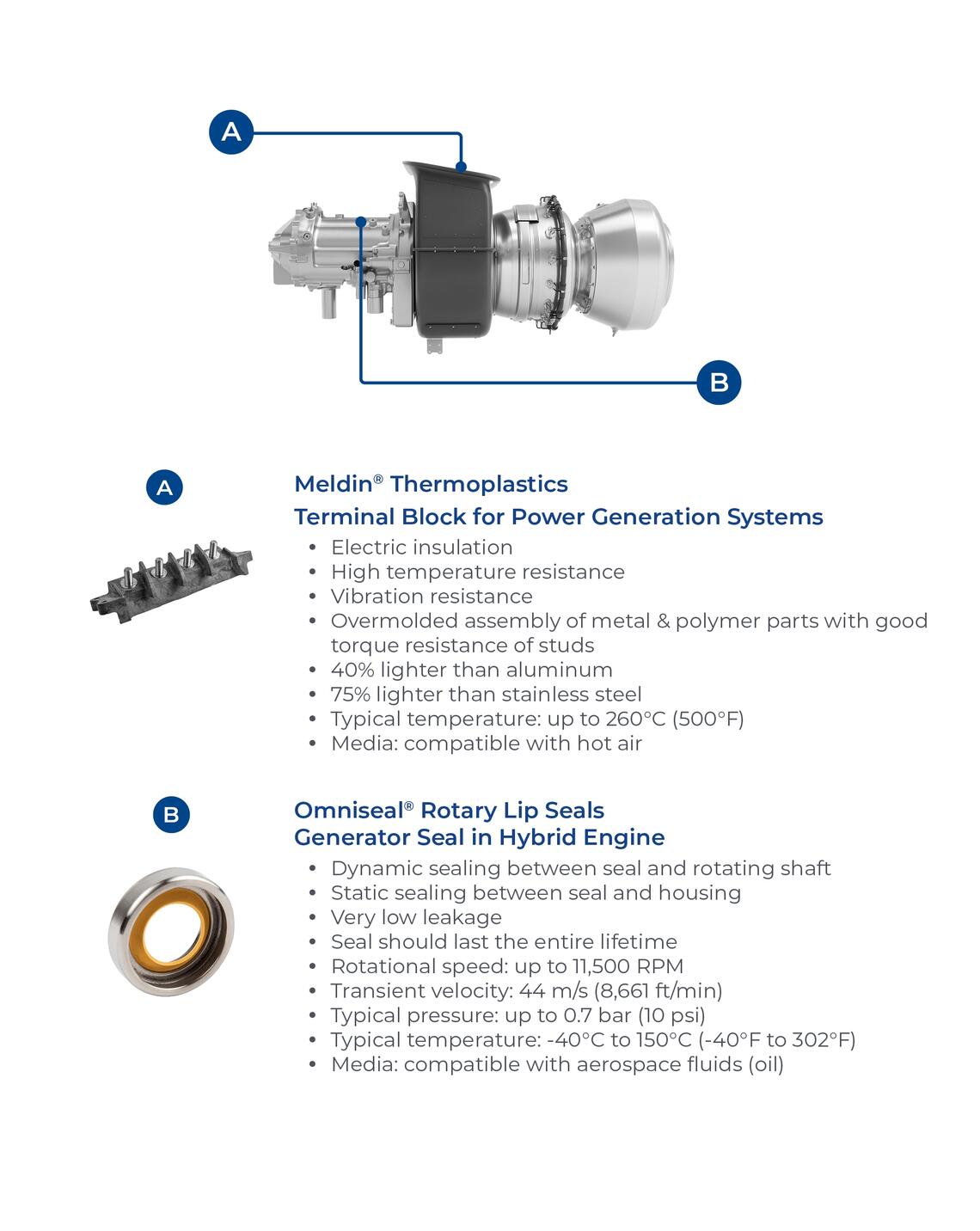
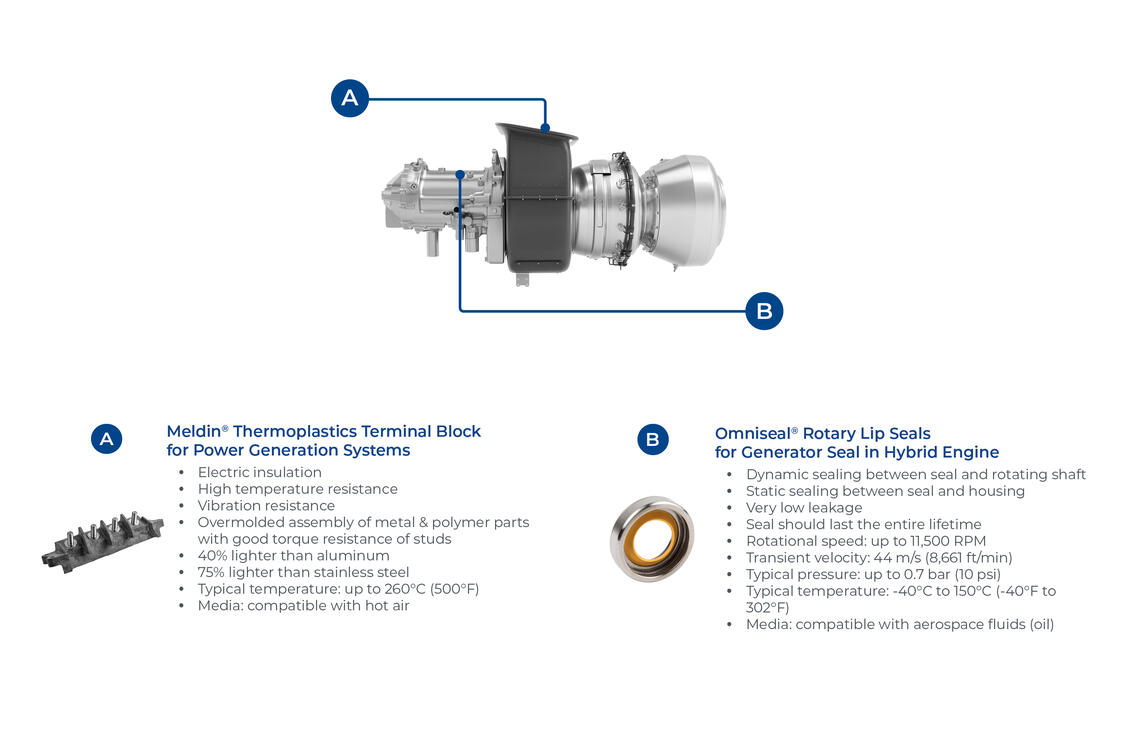
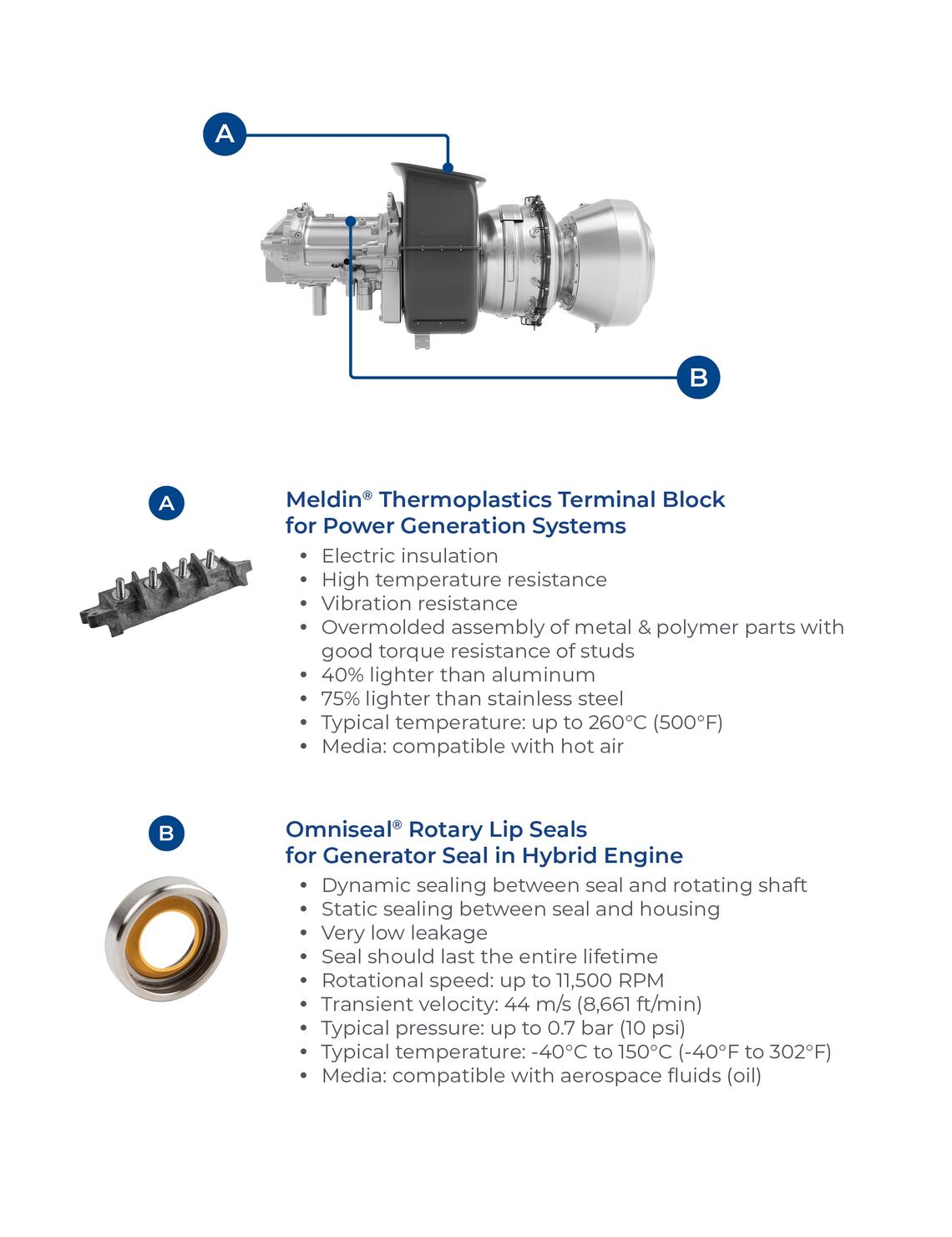
Weight saving components and systems to ensure sealing and electrical insulation in power generators.
Electric insulation, high temperature resistance and vibration resistance from sealing, wear and friction components built to last.
In temperatures up to 276°C (529°F), customers need a solution that can resist mechanical loads which still insulating components.
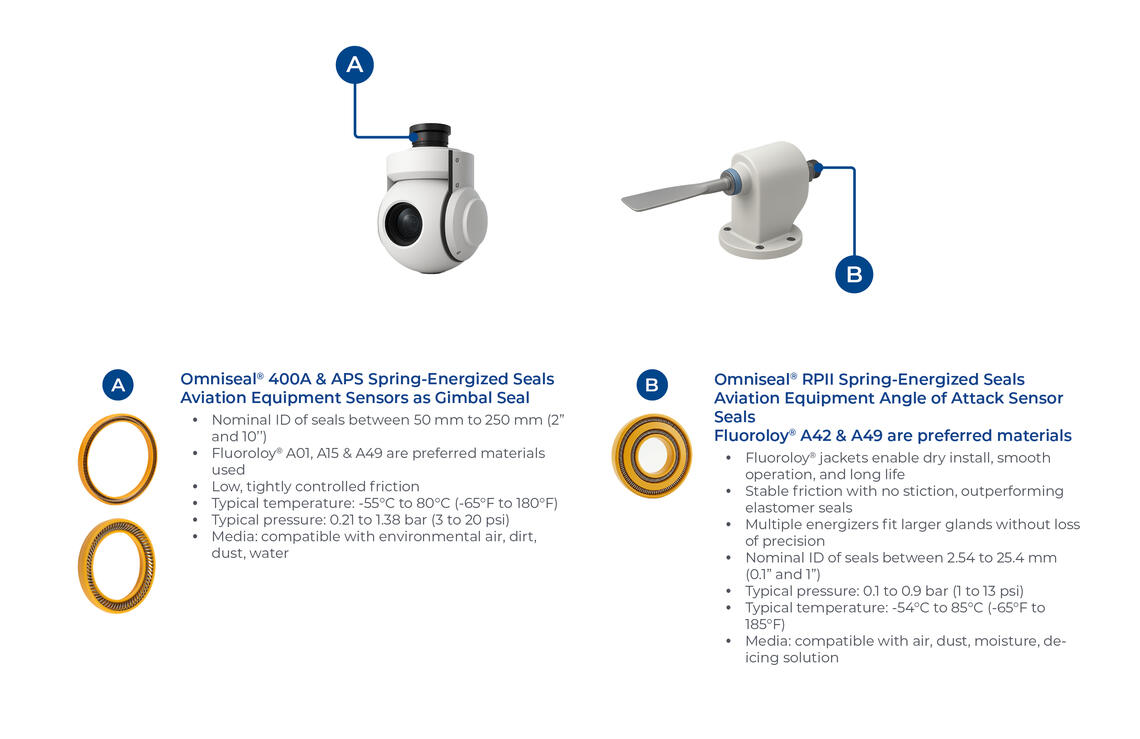
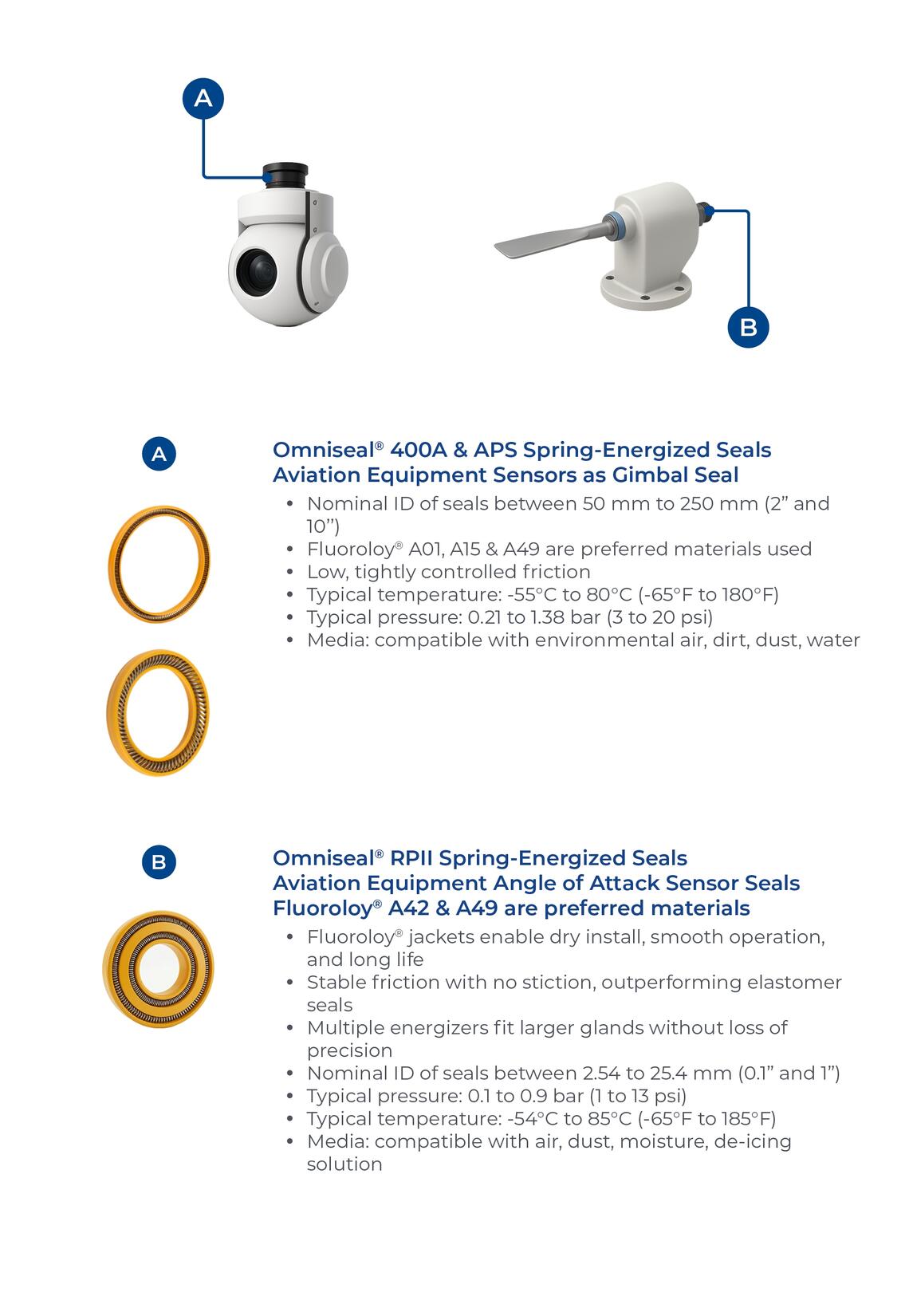
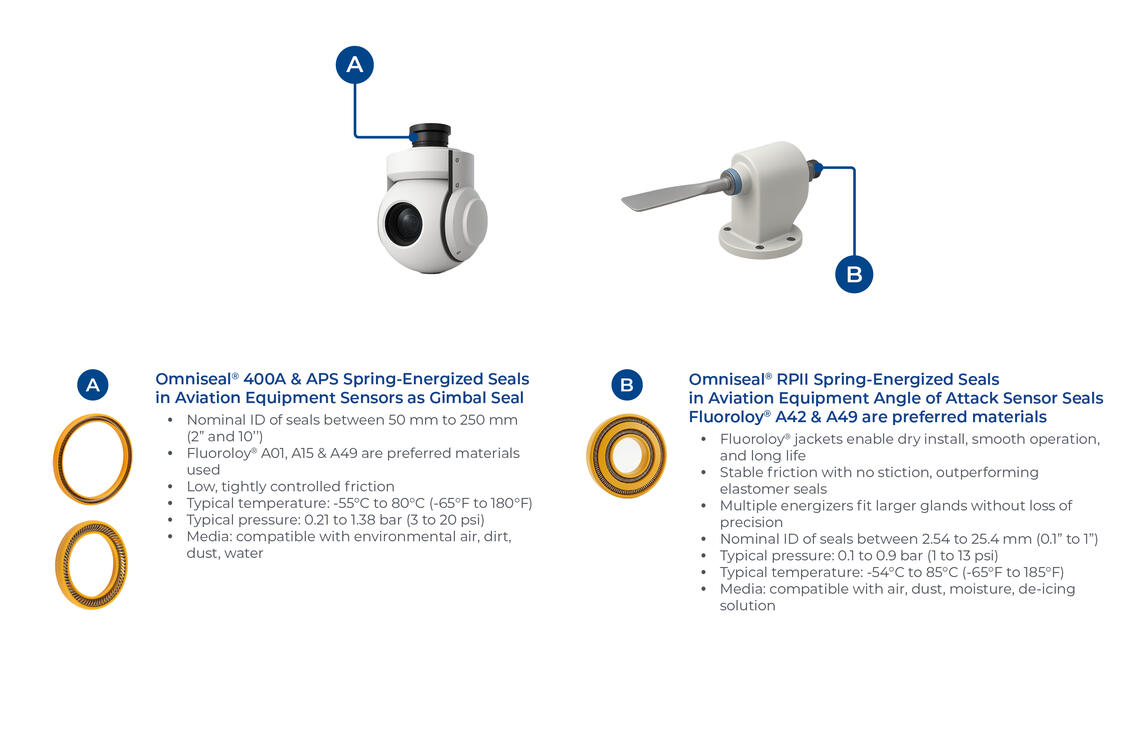
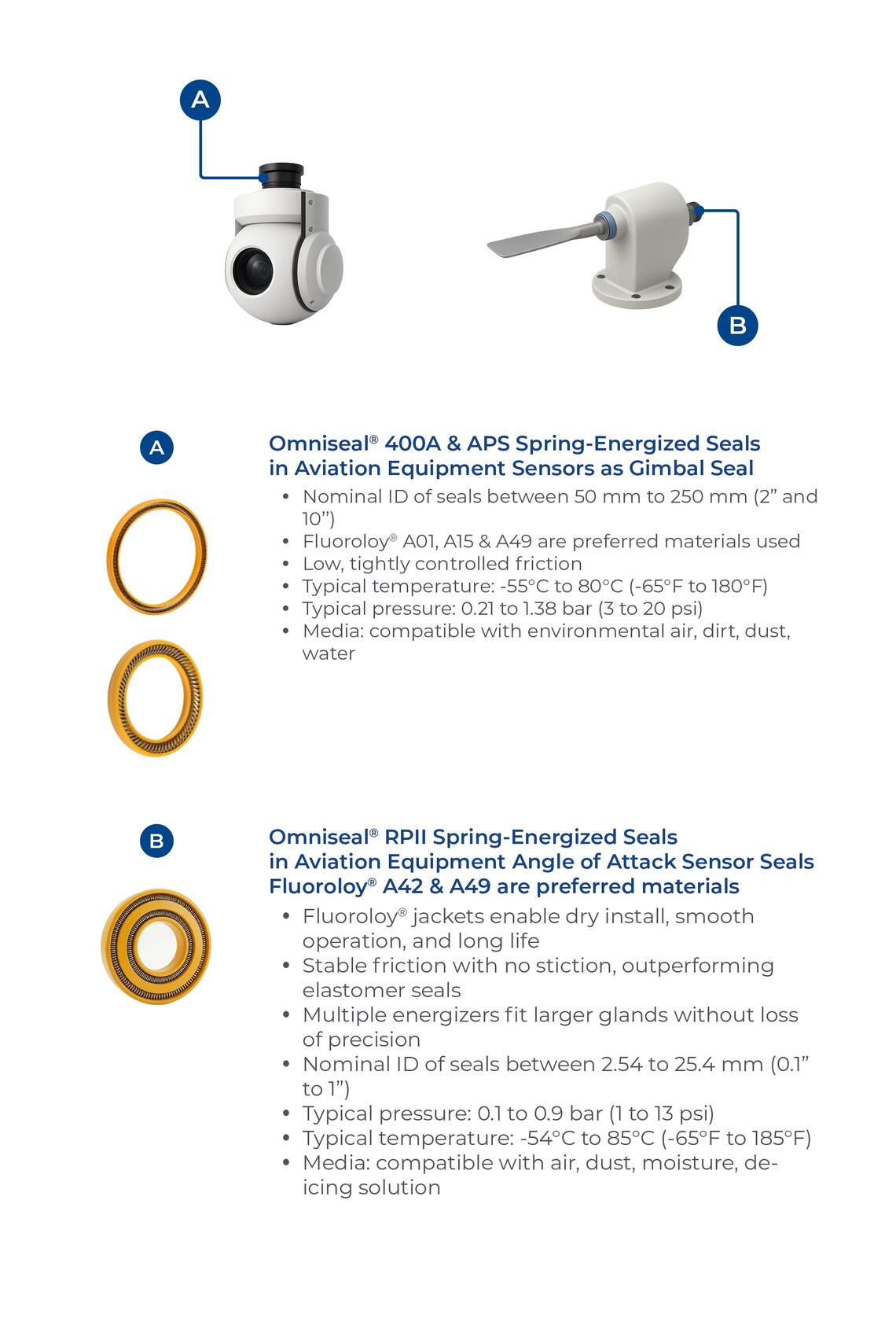
Gimbal seals and attack sensor seals require stable friction and compatibility with air, dust, moisture, and de-icing solutions.
Low friction, and long wear life sealing solutions designed to enable rotational speeds and resist high creep.
Long life solutions, high surface speed solutions and near-zero leak rate components.
Systems that can withstand bleed air temperatures and heat transfer while maintaining fatigue durability and friction reduction.
High mechanical strength and low friction components designed to handle aerospace hydraulic fluids and high temperatures as required.
Certifications
The tailor-made components and materials of Omniseal Solutions have a long history of highly recognized quality and the most stringent aviation certifications have been granted to several sites in NA, Europe, and Asia, from independent organisms or various OEMs. In addition to the certifications below, many of the manufacturing sites have certified DSQRs, as well as branded materials qualified at multiple OEMs.
ISO 9001: 2015
AS 9100D:2016
JISQ 9100: 2016
EN 9100: 2016
ISO 14001: 2015
ISO 13485: 2016
IATF 16949:2016
ISO 45001:2018
Case Studies
Omniseal Solutions supports new projects and new players through proven solutions and an outstanding pedigree of successful missions as well as global resources and technical support, using the most recent engineering methods such as Finite Element Analysis, and of course other advanced simulations designed to ensure the final solution works perfectly. Aviation case studies contain stories and lessons learned. You can find more aviation case studies here:
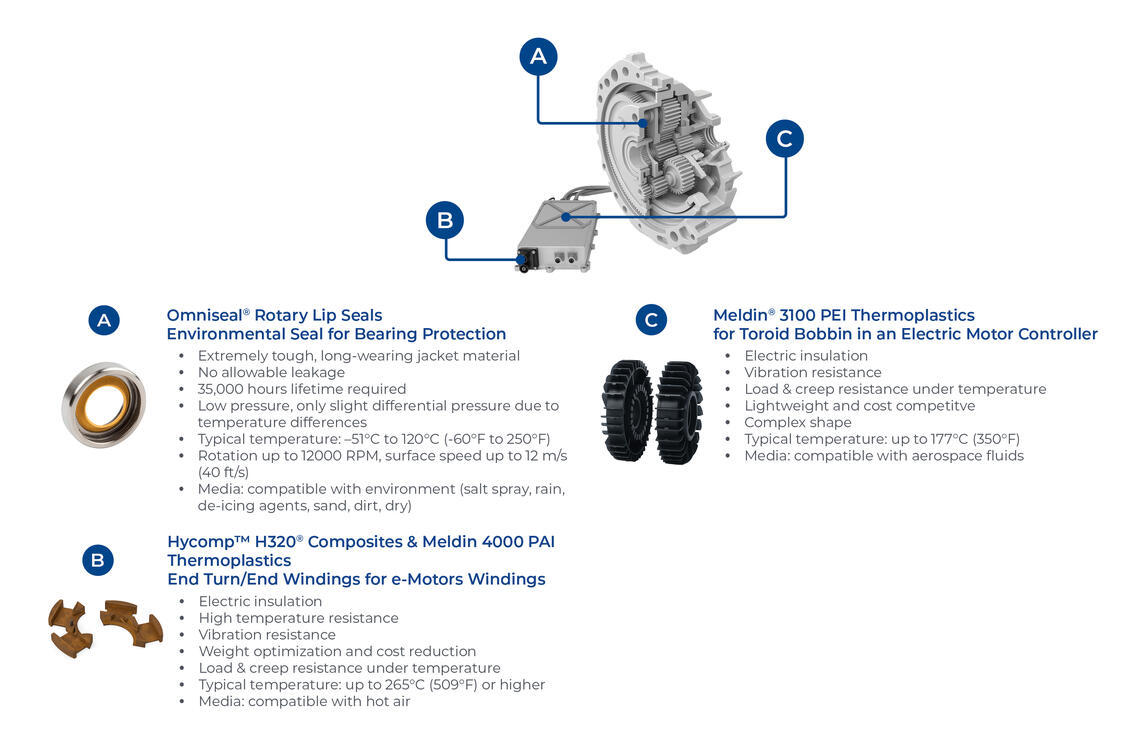
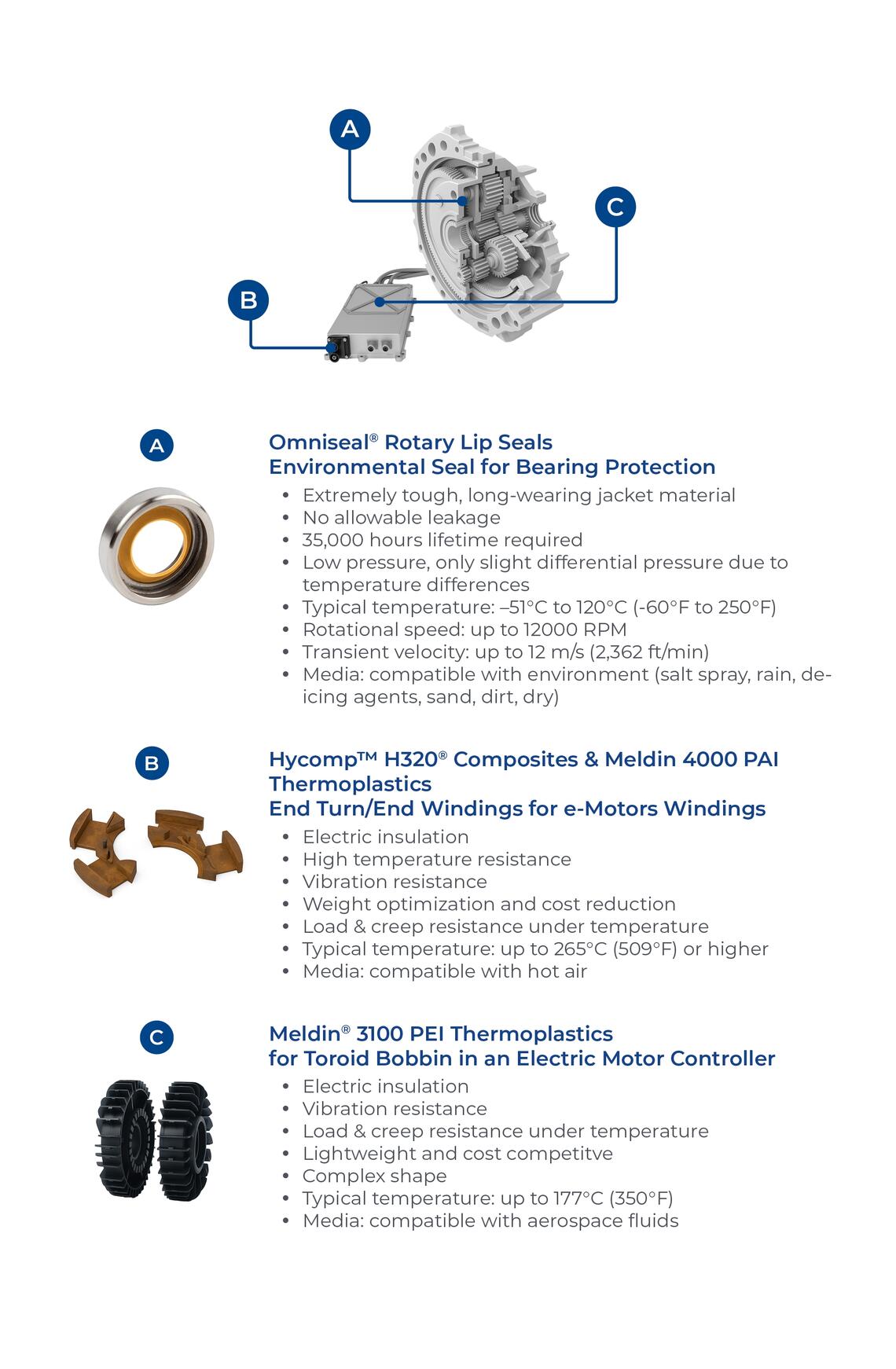
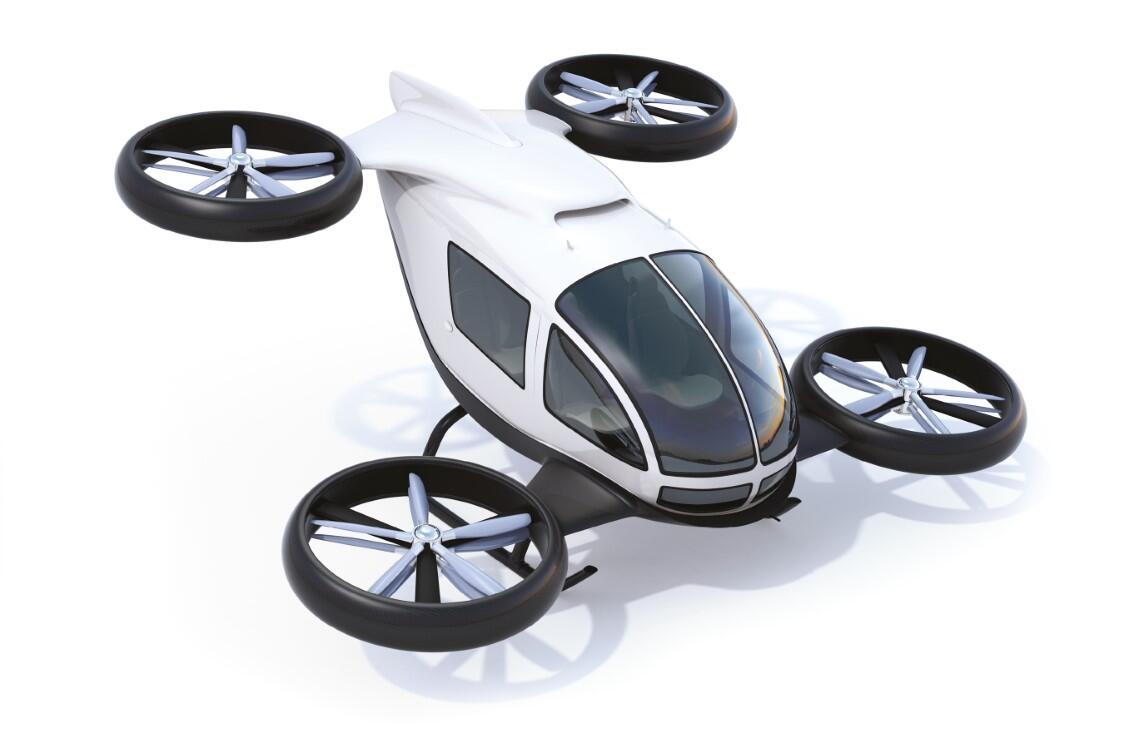
In the past decade or so, there has been considerable progress in electric storage and motor technology, which are on the verge of moving the aviation industry ahead and opening new opportunities and uses. One example is the eVTOL (Electric Vertical Take-Off and Landing vehicle), where electric engines reduce noise pollution for quieter flights and provide zero emissions to help the environment.
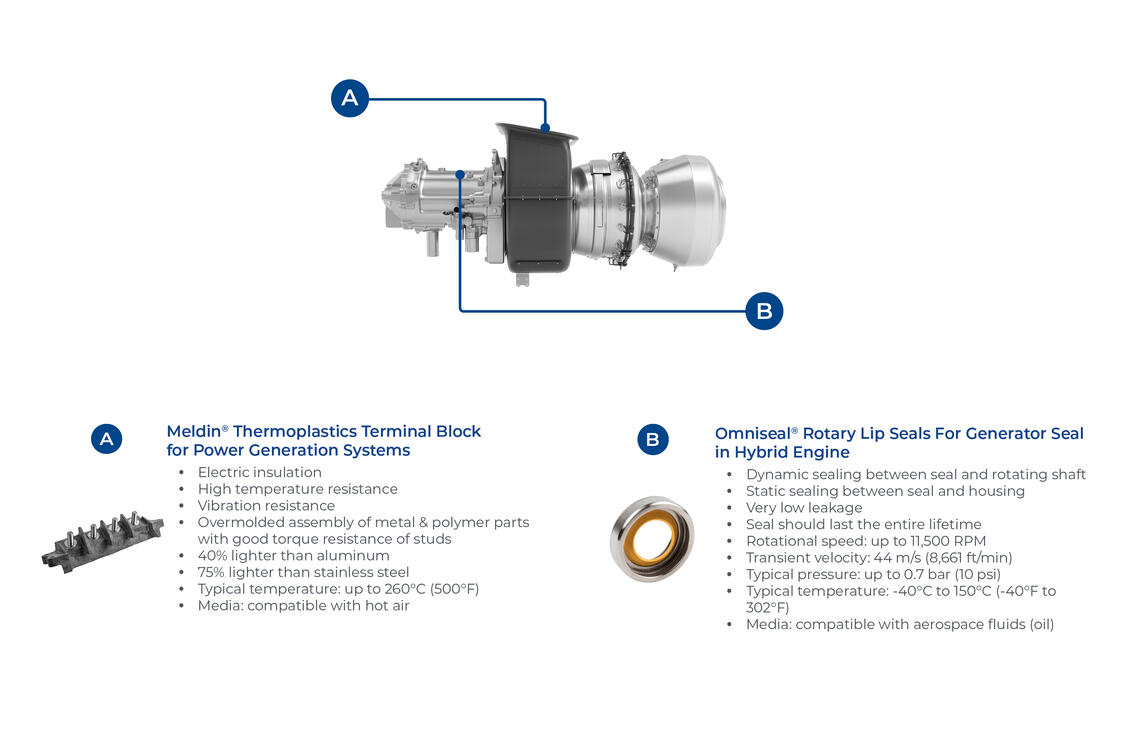
Recent advances in electrical motors, energy storage systems, and power electronics converters (PEC) are leading to aircraft becoming increasingly electrical. However, hybrid technologies are also a viable option for greener air travel. These hybrid engines convert several power sources to the relevant system of the aircraft, adjusting power supply to actual needs during flight.
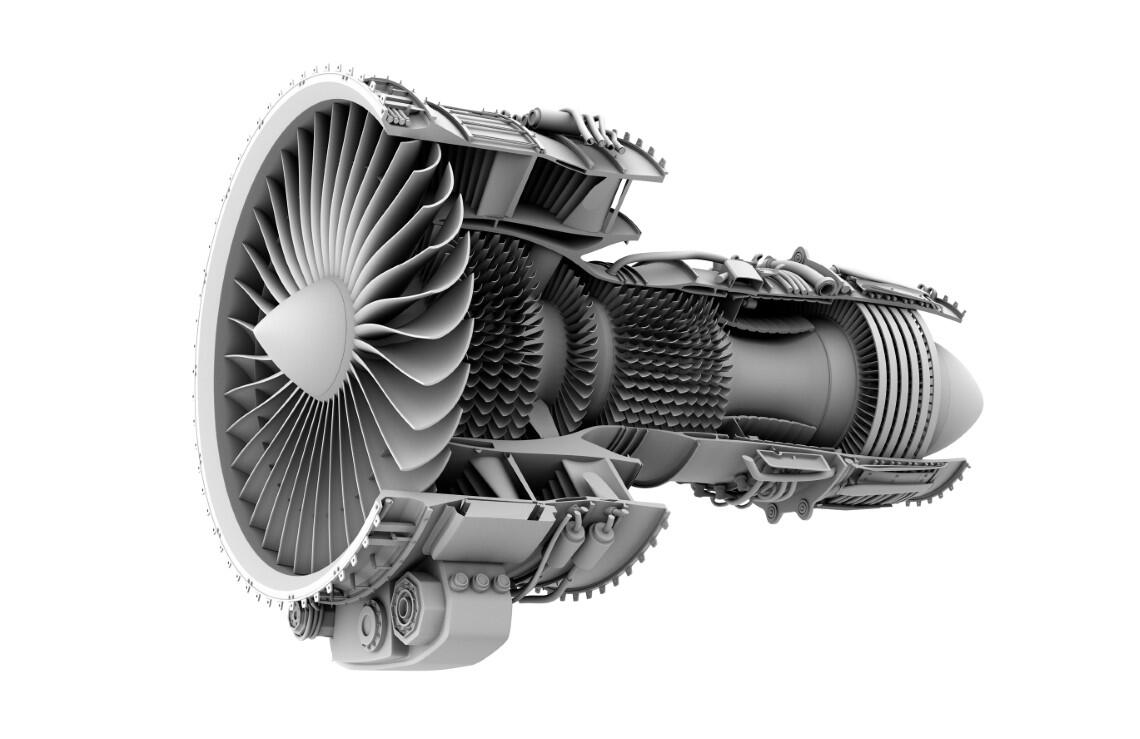
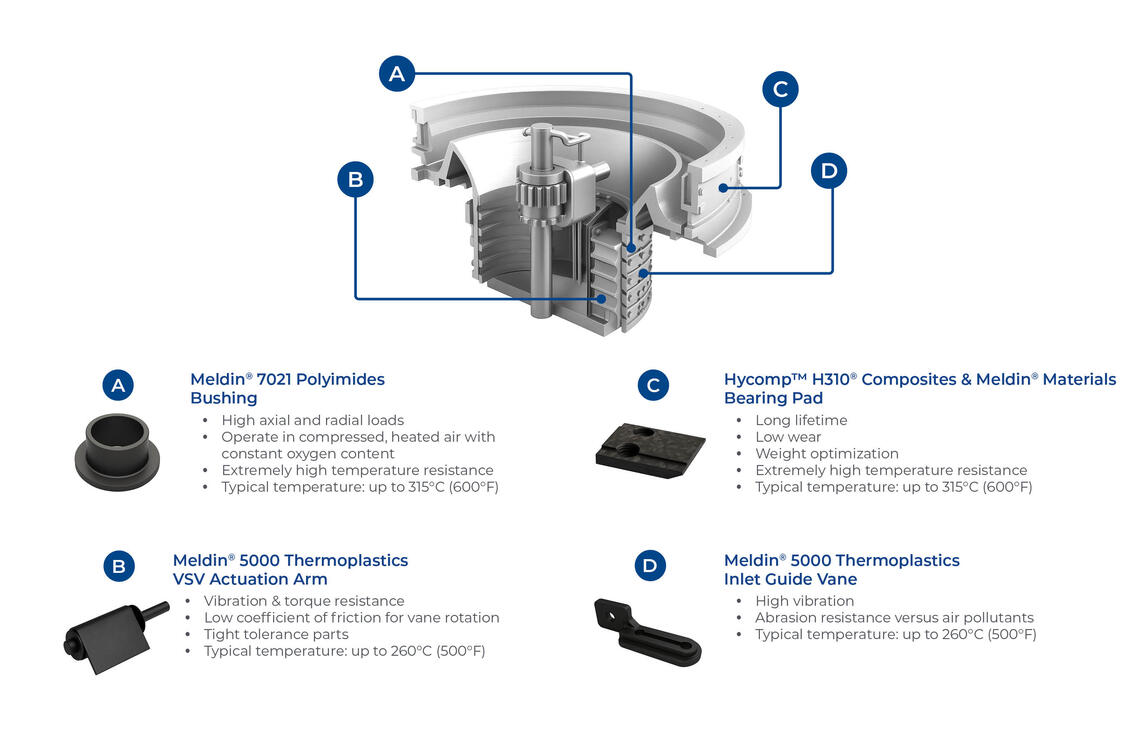
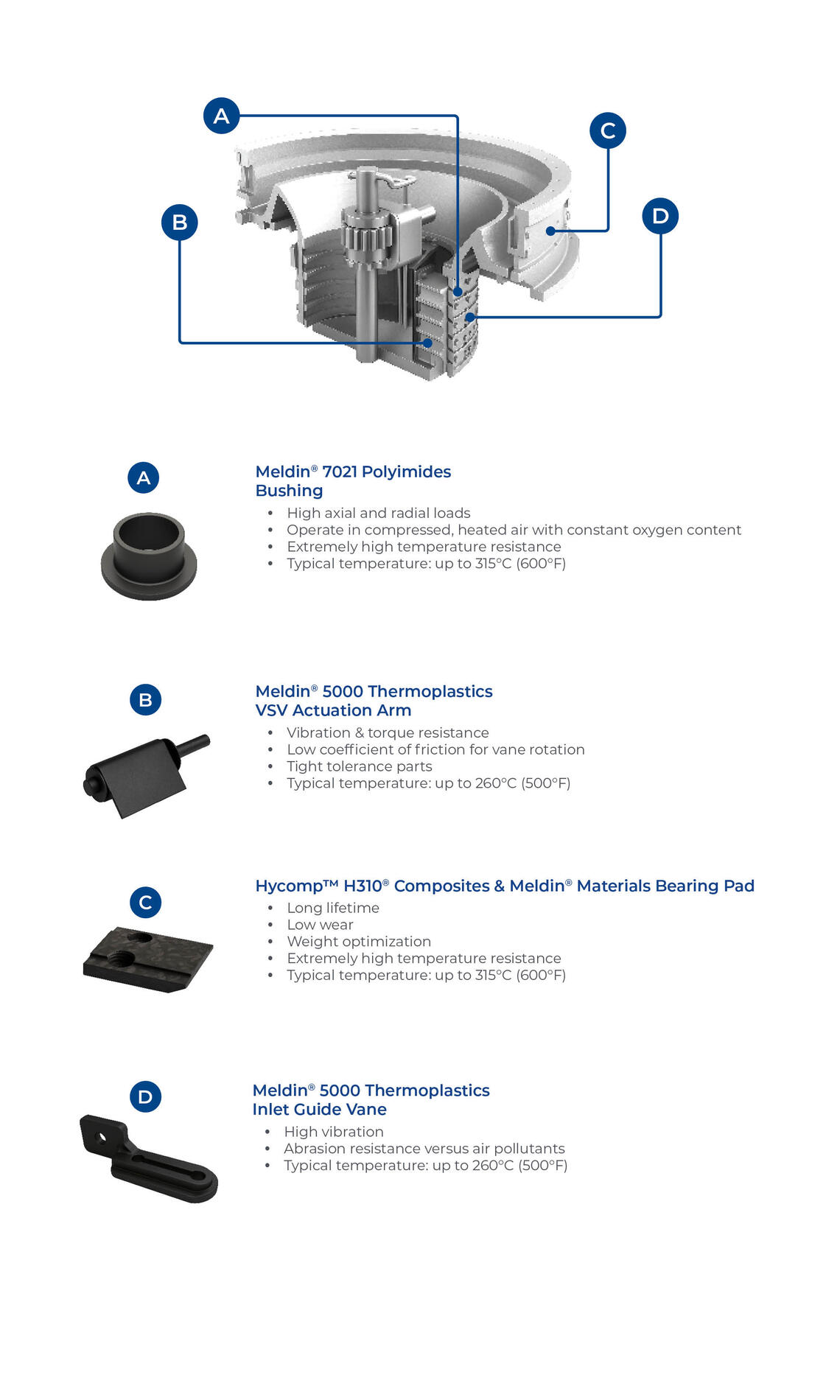
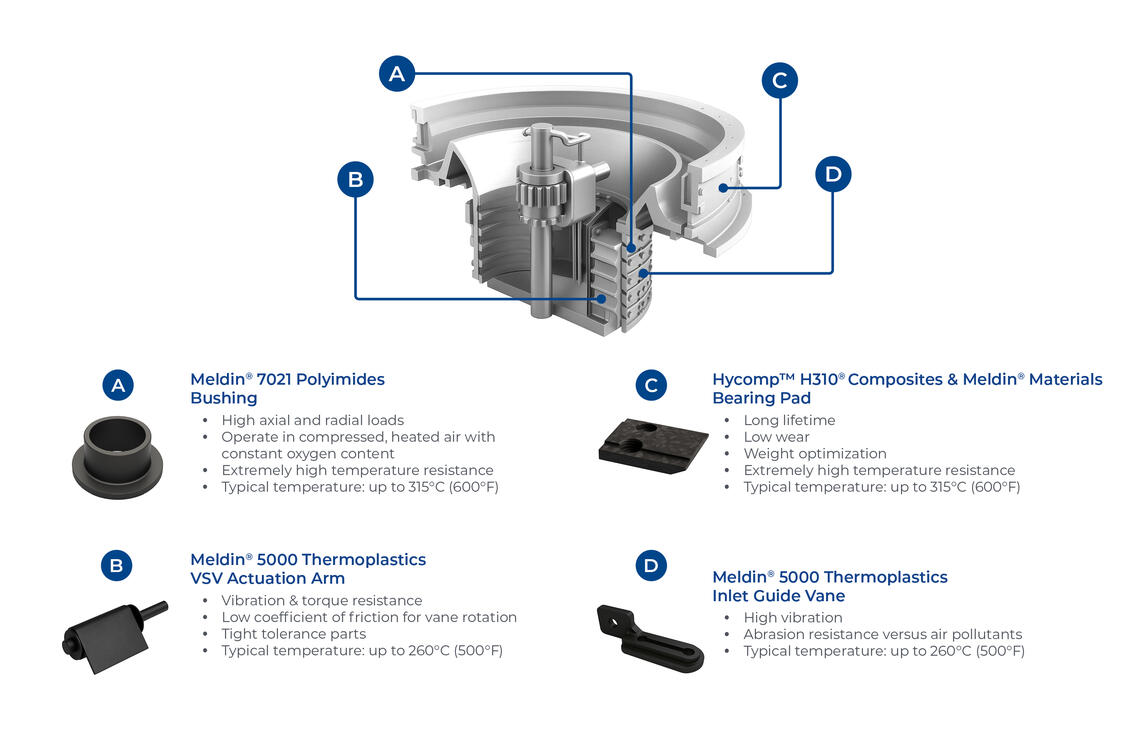
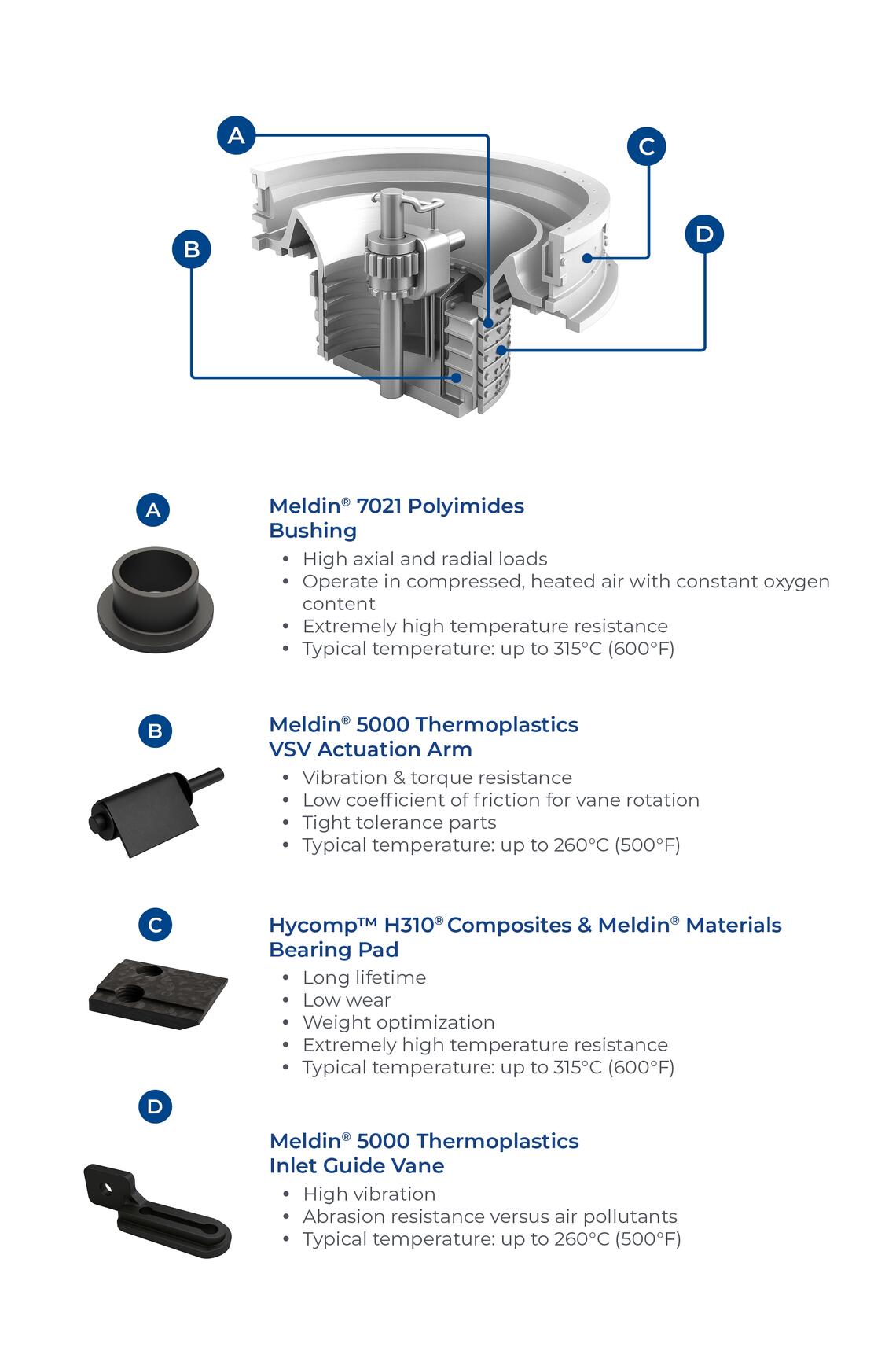
At different speed regimes in the jet engine, the airflow in the compressor is regulated by variable stator vanes (VSV), which are generally located at the initial stages of the high pressure compressor. This area experiences relatively high pressure and high temperature that progressively increases with modern engine performances.
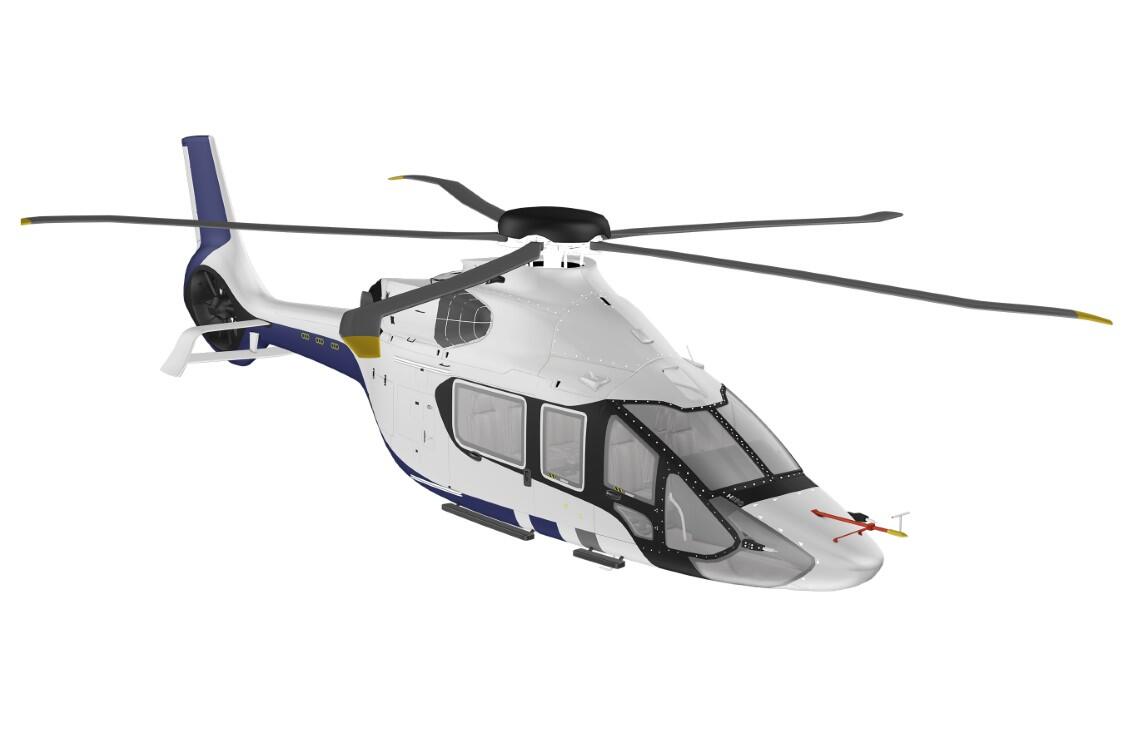
Flying a helicopter in an unpredictable and changing environment such as the desert or above the sea can lead to the accumulation of several kinds of potential aggressive contaminants, which are not clearly visibly on the bearings of the main shaft of a helicopter rotor. These damaging substances may cause jamming, ultimately leading to crash. The sealing of the swashplate is critical as it protects this aviation equipment from dust, sand, and debris.
How would a helicopter main gearbox (MGB) successfully function without the proper sealing solution? Rotary lip seals are widely used to seal the oil lubricant within the gearbox and protect it from leaking out at where the shaft enters and exits the gearbox. The main gearbox, also known as a transmission, is a critical part in a helicopter’s airworthiness and safety because it is responsible for reducing high input speed.
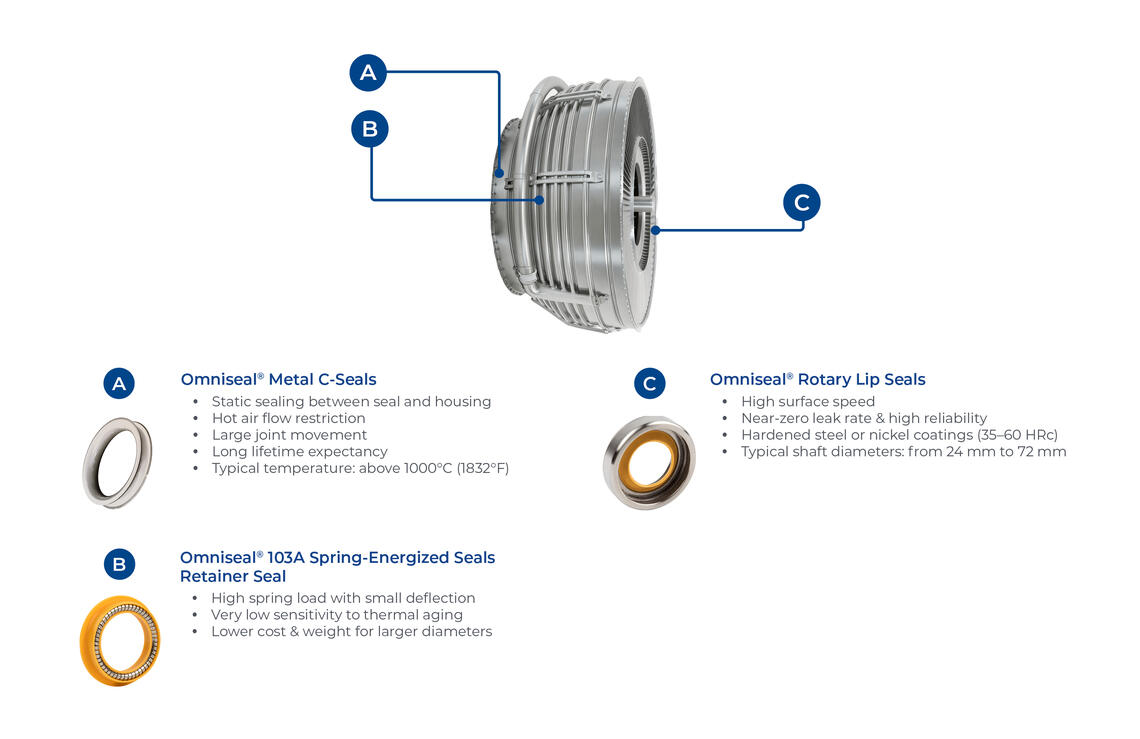
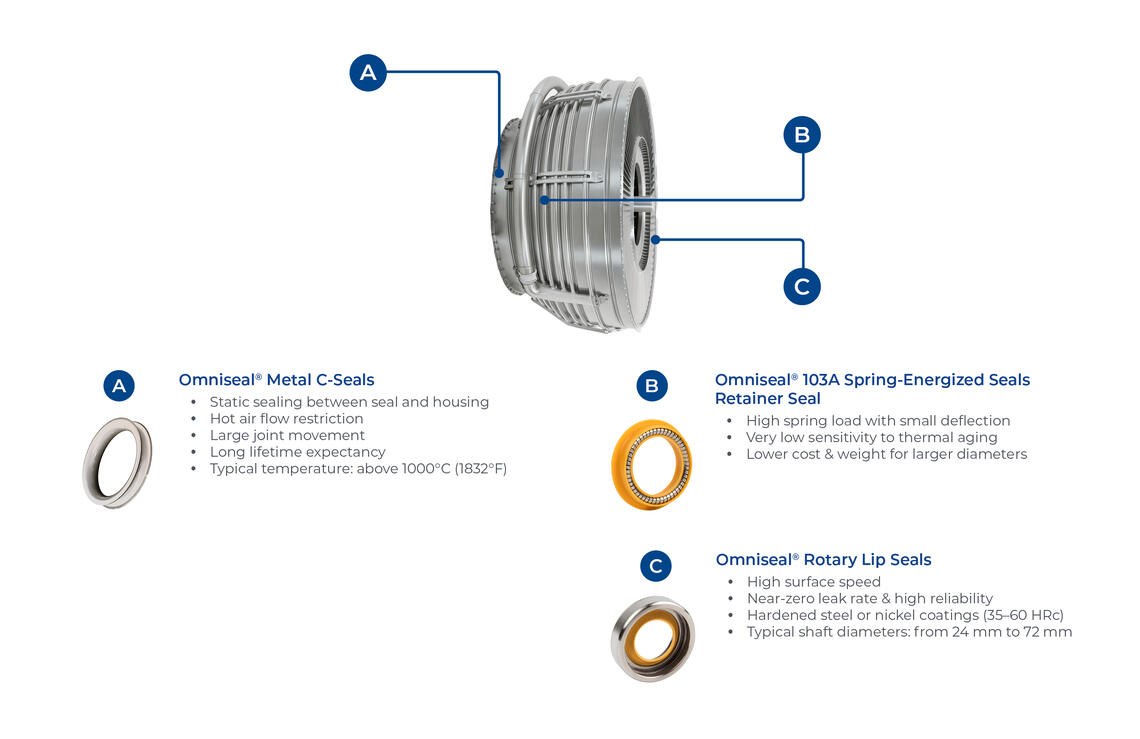
A high pressure turbine in a jet engine is one of the hottest parts in an airplane since this section is right after the combustion section and can reach extreme temperatures and pressures from the expanding airflow. Maintaining air flow control in this area is key to ensuring the efficiency of the engine because any type of leak is a waste of energy. To maintain a tight control on air flow in the turbine as well as limit vibration, metal shrouds are used, facing the tip of the turbine blades.
Omniseal Solutions can help you with your project
A team of expert designers
Customized products and materials to suit your projects
Expert of critical seals
Omniseal Solutions can help you with your project
Other Industries
Capabilities
Co-development & Customer Intimacy
Tailor-made solutions through careful and detailed collaboration with customers.
Material Expertise & Development
A solution's performance is often reliant on the characteristics of the base material used.
Precision Processing & Manufacturing
Omniseal Solutions has been precision manufacturing since the 1950's.